Czech homes with solar panels lacking imbalance arrangements risk having sharing halted

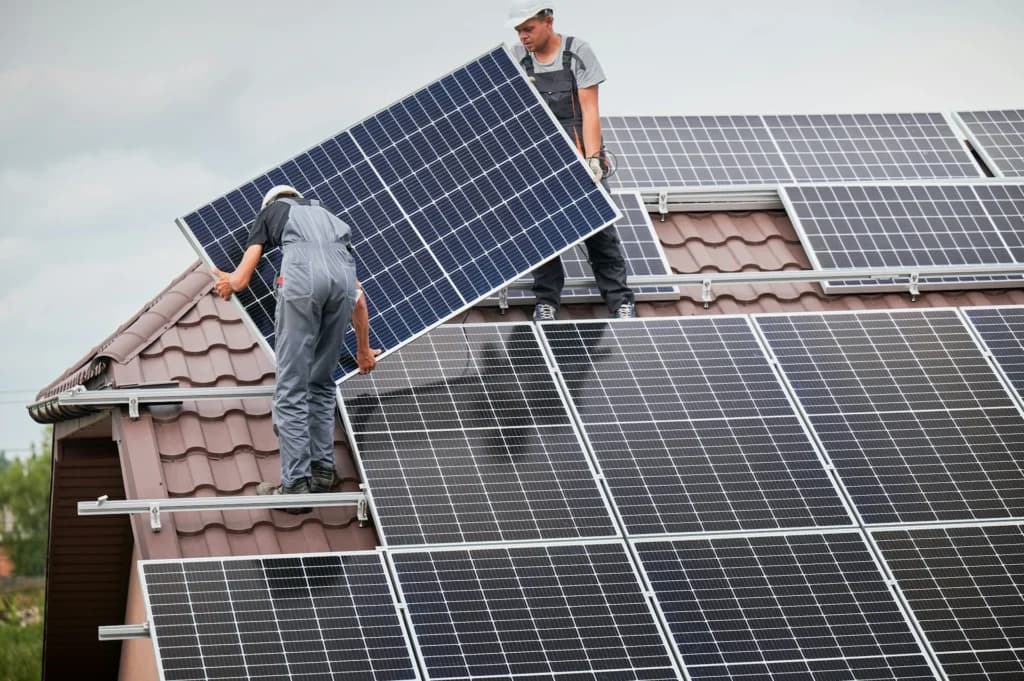
Around 350 Czech households risk having their electricity sharing stopped from August. This affects all owners of solar power plants who have not yet arranged responsibility for imbalance. If they do not resolve this by Friday, they will be considered a source of unauthorized supply and excluded from the sharing system. The Electricity Data Centre (EDC) warned of this today. More than 27,500 users are registered to share electricity.
Most photovoltaic installations registered by the end of last year have a single combined EAN code, assigned free of charge by the distributor. This is a unique 18-digit numerical code used to identify a point of consumption. However, as of 1 July, legislation requires them to have two EAN codes: one for consumption and one for generation. For the generation code, owners are also required to agree with a chosen electricity trader that it will assume responsibility for so-called imbalance, the difference between planned and actual generation, which is subject to a charge. Without this, electricity cannot be sold or shared. The measure also applies to operators who are not contractually permitted to feed surplus electricity into the grid.
"On 16 June, we emailed all participants in electricity sharing who had not signed a contract, warning them of the requirement; the same notice is also on our website. Around half of those contacted responded and have already signed a contract. By the end of July, including new registrations, we had around 350 participants sharing electricity without responsibility for imbalance. We have reminded them all of the new requirement," said EDC board chairman Petr Kusý.
According to the centre, owners of photovoltaic installations without a contract have two ways to rectify the situation. They can transfer responsibility to an existing settlement entity, such as their electricity supplier, which will then automatically arrange registration of the generation EAN in the Electricity Market Operator’s system. The second option is to become a settlement entity, but this is a more demanding route administratively and financially and, according to EDC, is better suited to large generators or traders.
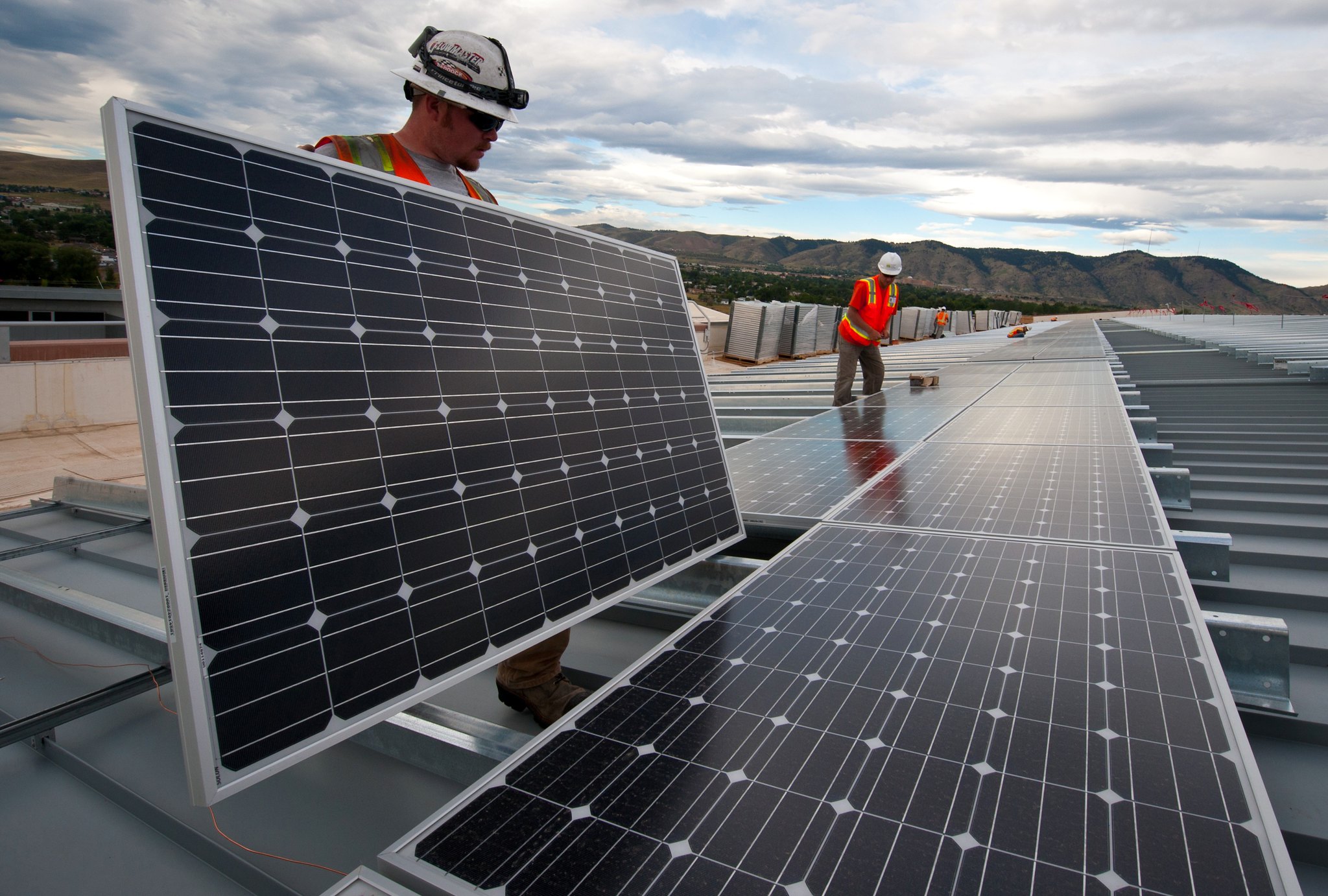
From 1 August, generators without a contract will therefore be newly classified as a source of unauthorized supply. EDC will then have to exclude them from the electricity-sharing system. "Once the so-called generation EAN has been registered by a trader, suspended sharing will automatically resume. Customers do not need to make any changes in the EDC system or provide us with proof of registration," Kusý noted.
According to the centre’s statistics, 27,580 users are currently registered to share electricity. A total of 21,806 points of consumption and 14,734 generation points are participating in sharing. The largest group is, as usual, active customers (13,866 entities), followed by housing cooperatives (620) and energy communities (34).
Photovoltaic installations connected since the beginning of this year must also have a trader arranged to handle imbalance for their generation EAN. The relevant distributor should inform them of the deadline.
Translation disclaimer
This article is a machine translation of the Czech original and has not yet been fully reviewed. In case of any doubt, please refer to the Czech version.




