
28 October 2026, 15:10
Loading...
End of an era: UK's last coal-fired power station to shut down

Libor Láník
23 April 2024, 12:47
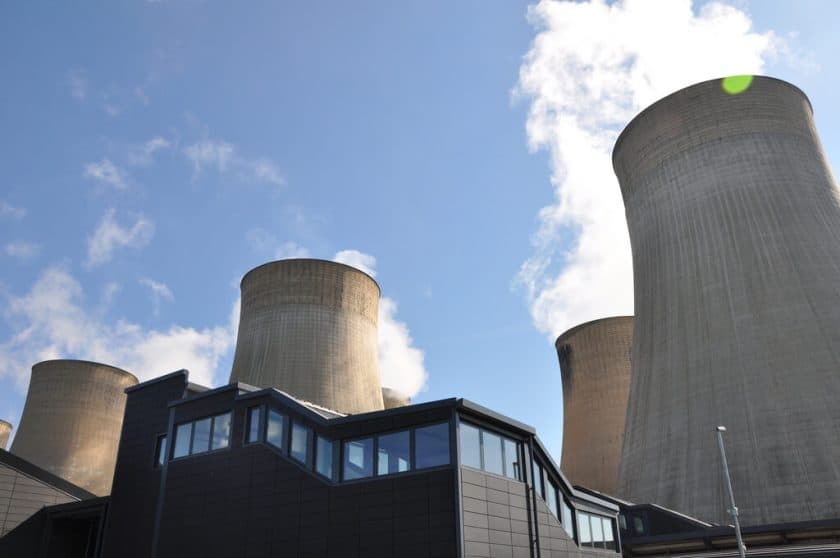
The UK's last coal-fired power station will shut down this September. Ratcliffe-on-Soar power station, once one of the pillars of the entire energy system, will cease operating after 56 years. The UK is thus definitively removing coal from its energy mix, The Guardian reported. What does the future hold for the power station?
The power station began operating in 1968, and at one time burned as much as 65% of all the coal mined in South Nottinghamshire, a region traditionally rich in “black gold”. Its installed capacity of 2000 MW made it one of the largest power stations of its type in the country. For comparison, the Czech Počerady power station has a capacity of 1000 MW. Its name, Ratcliffe-on-Soar, refers to the nearby village on the River Soar.
At its peak, the power station employed up to 3000 people and burned approximately 6 million tonnes of coal a year. It also accounted for 4% of the country's total electricity generation.
But that is coming to an end, as coal burning has been in decline in the UK for some time. Today, only around 350 employees work at what was once a large power station, and the shutdown itself is now little more than a formality. Its fate is unlikely to follow that of similarly large power stations such as Drax, where the operator adapted operations to burn biomass.
A sustainable future with hydrogen
The power station and its surrounding site, which covers almost 265 hectares, will be an attractive location for green hydrogen production, as its current operator, Uniper, has also announced.
“We are excited about the potential for low-carbon hydrogen production at Ratcliffe. Ratcliffe is in a great location, with good transport links and excellent utility infrastructure. It has the potential to support the UK's hydrogen and decarbonisation ambitions, create new highly skilled jobs and ensure the site continues to make a valuable contribution to the regional economy,” said Guy Phillips, Head of Business Development Hydrogen.
More specifically, an electrolyser with an installed capacity of 500 MW is planned for the former coal-fired power station site, with a view to it being operational around the turn of the decade. The plan also includes decarbonising industry and transport across the East Midlands, and Uniper has already obtained approval from the local authorities in the form of a Local Development Order.
Neil Clark, the leader of the council that issued the approval, spoke of the former power station's iconic status and the need to preserve its national significance. He hopes the project will create a modern hub that could provide up to 7000 new jobs in the future.
Translation disclaimer
This article is a machine translation of the Czech original and has not yet been fully reviewed. In case of any doubt, please refer to the Czech version.
Sdílejte článek prostřednictvím:
You might also like

28 October 2026, 13:08

28 October 2026, 11:10

28 October 2026, 09:08
