Wind power in the US grew again despite macroeconomic challenges

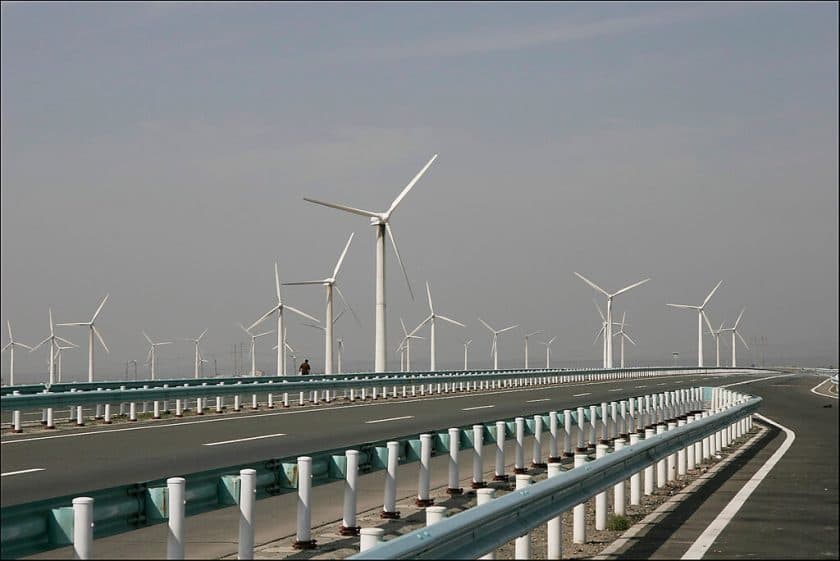
According to a new report from the US Department of Energy, wind power covered more than 10% of electricity consumption in the US last year and accounted for 12% of new generating capacity. Thanks to the Inflation Reduction Act, a further 190 GW of new installed wind capacity is expected by 2030, with significant growth also anticipated along coasts that were previously overlooked.
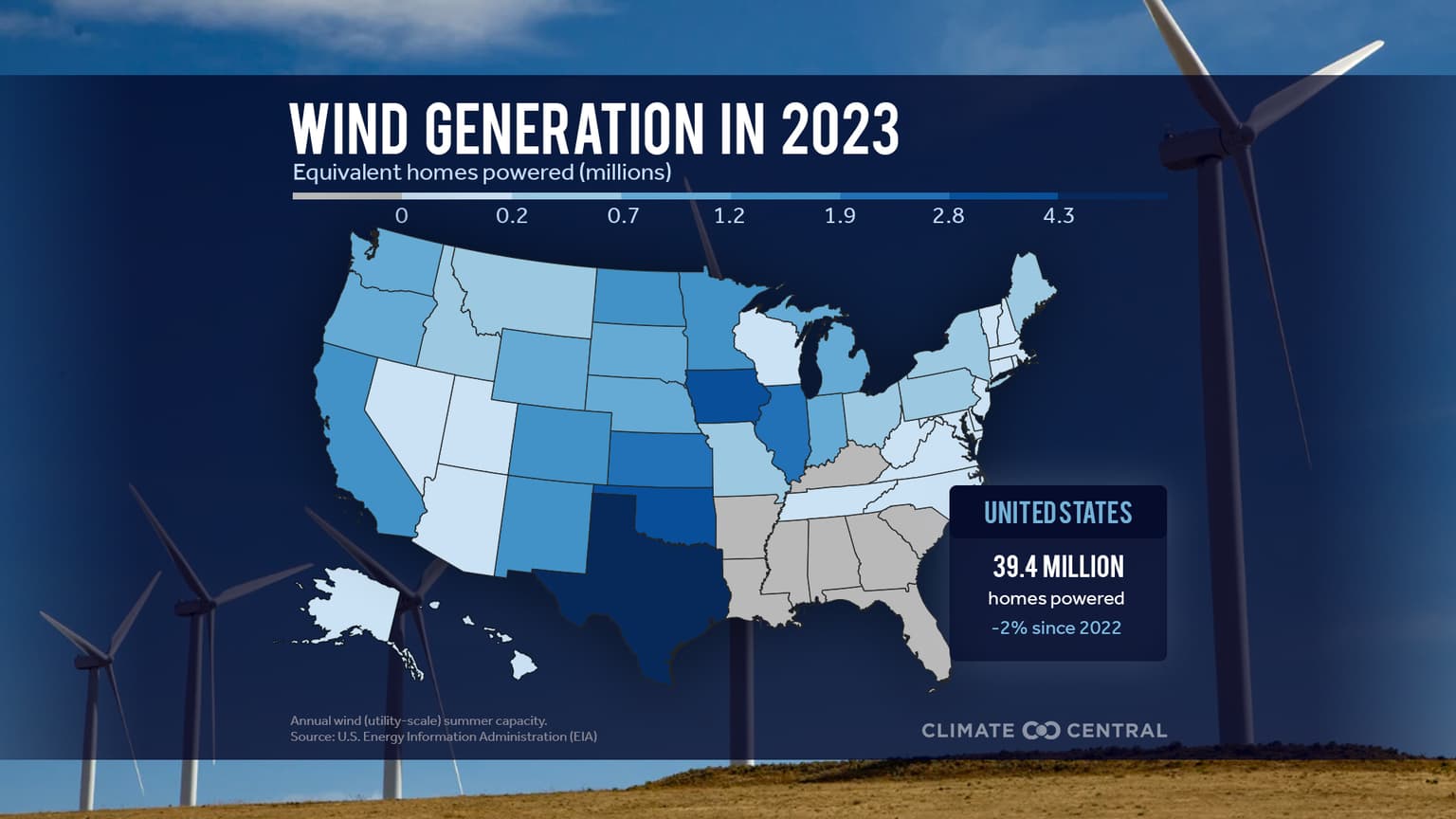
According to a new report from the US Department of Energy, wind power supplied more than 10% of US electricity last year and accounted for 12% of new generating capacity. Wind is a key source of electricity particularly in Iowa and South Dakota, where wind farms generated 59% and 55% of electricity, respectively. In addition to these two states, wind turbines are also becoming increasingly important inland in Oklahoma and Kansas.
According to the report’s authors, one factor behind the significant growth was the passage of the Inflation Reduction Act (IRA), which spurred billions of dollars in investment in the domestic supply chain.
Restrictions on that supply chain were one factor holding back more significant development in new locations. Recent developments nevertheless suggest that the wind power industry is beginning to respond to market conditions. A total of 15 manufacturing plants opened or expanded in the US last year. Major investors in North America include Danish company Vestas and the Spanish-German company Siemens Gamesa.
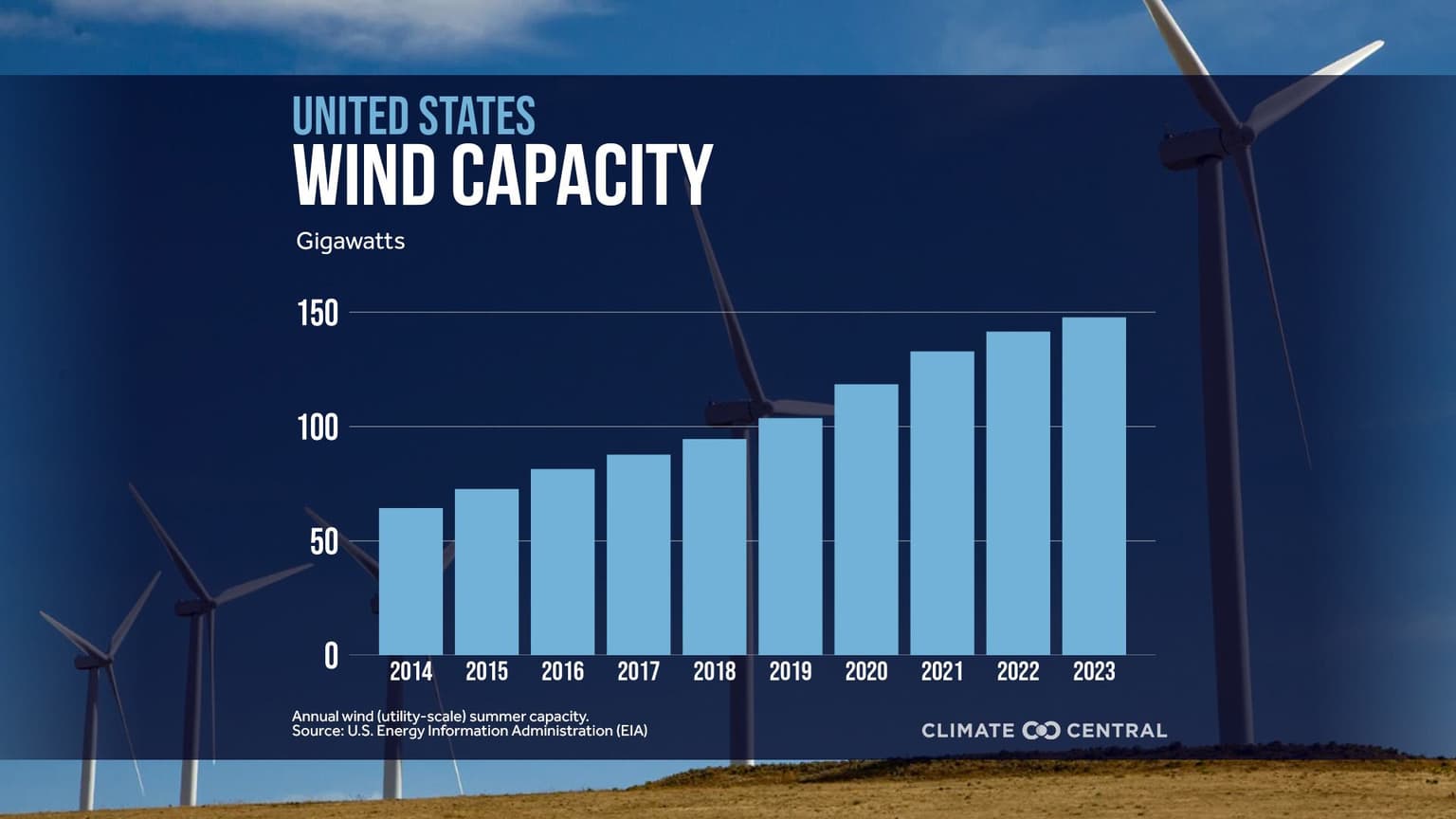
New installations are catching up with Europe
Short-term forecasts for wind power development in the US rose by more than 30% following the passage of the IRA. More than 15 GW of installed capacity is expected to be added annually in the United States by 2026, rising to as much as 40 GW a year by 2030. Overall, around 190 GW of new installed wind capacity is expected to come online in the United States in the coming years.
“The United States is committed to investing in technologies that will accelerate the deployment of wind power and bring more renewable electricity onto the grid,”said Eric Lantz, director of the Wind Energy Technologies Office.
By comparison, Europe installed 18.3 GW of wind capacity in 2022, and according to forecasts by WindEurope, 260 GW of new installed wind capacity will be added in Europe between 2024 and 2030. EU-27 countries are expected to account for 200 GW of that total, an average of 29 GW per year.
Wind farm development may shift from inland to offshore
While wind power development in Europe has shifted offshore in recent years, in the US it has been concentrated in inland states. Looking ahead, however, the trend is expected to move in a similar direction to that seen in Europe, with significant growth in installed wind capacity along both the West and East coasts.
These forecasts were tempered by recent macroeconomic developments, particularly high interest rates, but the positive trend now appears likely to continue. The US offshore wind project pipeline grew by 53% year on year to a total of 80 523 MW. One notable project is the South Fork wind farm, which supplies New York and is the first fully operational wind farm in the United States.
Translation disclaimer
This article is a machine translation of the Czech original and has not yet been fully reviewed. In case of any doubt, please refer to the Czech version.