Exports of liquefied natural gas (LNG) from the United States to Latin America and the Caribbean rose in June to their highest level in more than three years. Brazil became the largest buyer, significantly increasing imports due to higher electricity demand. Global trade flows are also changing. For the first time in nearly two years, Europe did not take the majority of US LNG, according to data from S&P Platts Commodity Insights.
In June, the United States exported nearly 1,38 billion m³ of natural gas in the form of LNG to Latin America and the Caribbean, around 55% more than in May. This was the highest monthly volume since May 2023 and also represented year-on-year growth of nearly 10%.
Brazil was the main driver, becoming the region's largest buyer of US LNG again after several months. Imports reached approximately 461 million m³ of natural gas, more than five times the May volume and around 150% higher than in the same period last year.
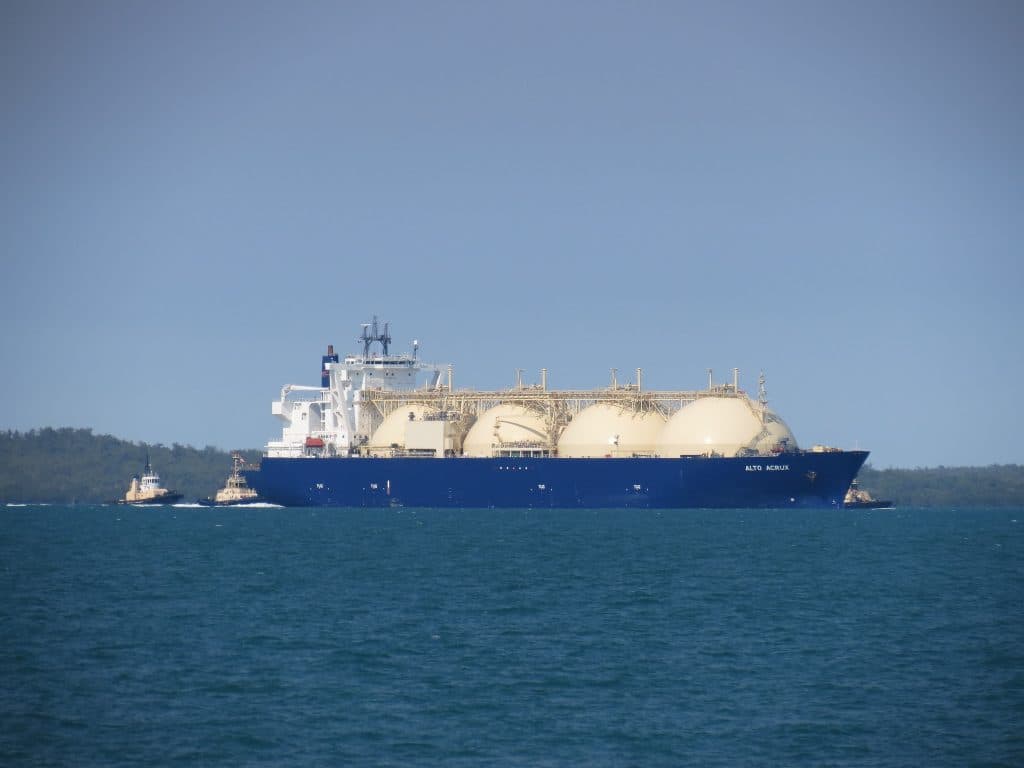
The sharp increase was driven primarily by higher demand for natural gas for electricity generation. Although Brazil generates most of its electricity in hydropower plants, it regularly increases the use of gas-fired power plants, which rely on LNG imports, during periods of lower rainfall or higher consumption. Six tankers carrying US gas headed to the country during June. Four cargoes had been unloaded by early July, while two were still en route.
LNG imports to Argentina also rose sharply
Argentina was the second-largest buyer, with the United States exporting approximately 235 million m³ of natural gas there in June, more than four times the amount in May. The increase in imports is linked to winter in the Southern Hemisphere, when demand for gas for heating and electricity generation traditionally rises. All four cargoes were unloaded at the Escobar terminal near Buenos Aires.
The Dominican Republic ranked third, with imports of around 202 million m³. Although its purchases declined month on month, it remains one of the most consistent customers of US exporters. June was the 42nd consecutive month in which the country received at least one US LNG cargo.
US LNG also went to Jamaica, El Salvador, Chile, Colombia and Puerto Rico. A total of 18 tankers sailed to the region, compared with 14 in May.
US LNG heads to new markets
The increase in deliveries to Latin America comes as the geographical distribution of US LNG exports is also changing. According to Reuters, less than half of US liquefied gas exports went to Europe in June for the first time in nearly two years. The share going to European buyers fell below 42%.
Traders redirected some cargoes to Asia, where spot gas prices were higher, or to Egypt, which recorded a record volume of US LNG imports. Latin America was therefore one of the regions that absorbed larger volumes of US gas in recent weeks, albeit for different reasons than Asian markets—primarily due to higher seasonal demand for power generation.
Egypt is becoming a significant new buyer, importing a record 1,06 million tonnes of US LNG in June, nearly a tenth of total US exports. Having exported LNG itself just a few years ago, the country is gradually becoming a major demand-side player due to rising domestic consumption and declining domestic production.
Impacts on the European market