Belgium follows Czech Republic: launches buyout of nuclear power plants from private operator

Belgium has begun talks on the purchase of nuclear power plants from French company Engie, confirming Europe’s return to nuclear power following the energy crisis. Discussions on the nationalisation of a total of seven nuclear reactors are still at an early stage, but Belgium also appears to be aiming to transfer its nuclear power plants into state hands.
Europe’s energy sector has undergone a fundamental transformation in recent years. After a period of declining interest in nuclear energy following the Fukushima nuclear accident, a number of countries are returning to nuclear power as a key source for ensuring both energy security and decarbonisation. Belgium, which is negotiating the takeover of its nuclear power plants from French company Engie, is the latest example.
According to available information, the Belgian government has launched talks on the full acquisition of the nuclear assets currently operated by Engie. The aim is to gain full control over seven reactors, some of which have already been shut down or are in the decommissioning phase.

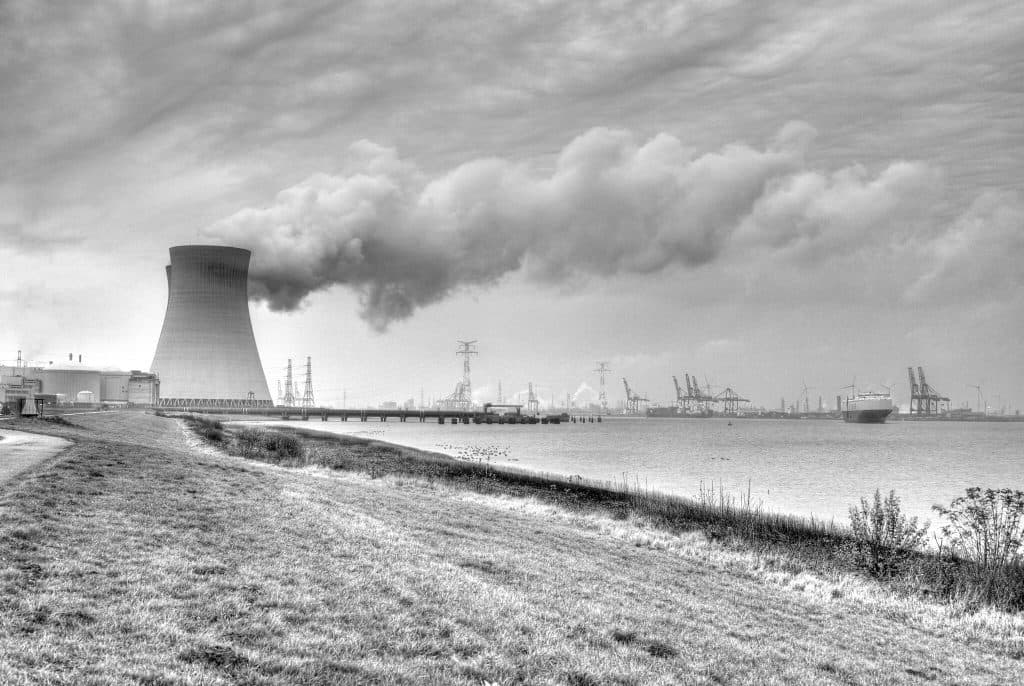
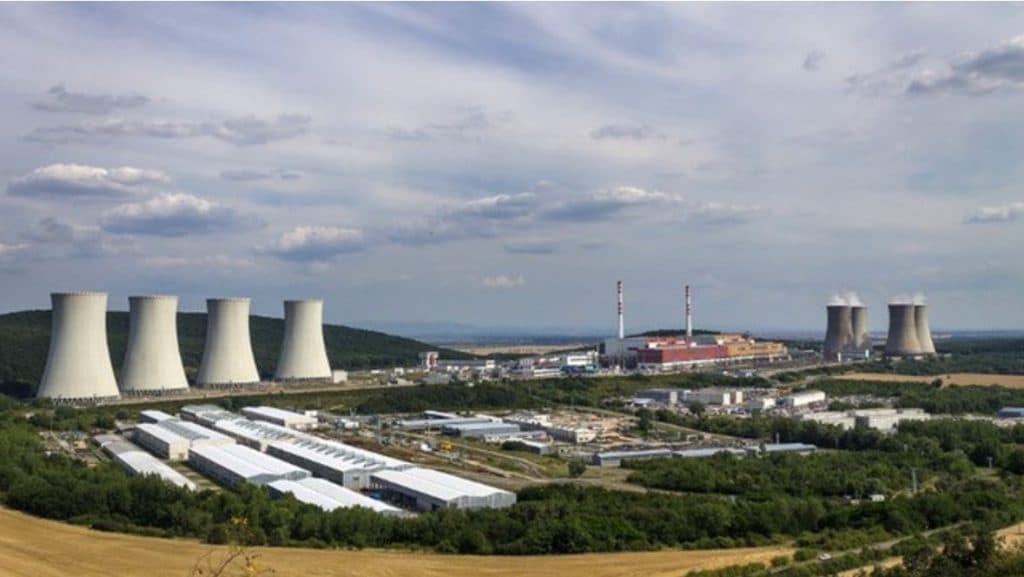
Belgium’s nuclear power plants comprise seven reactors at two sites: the Doel plant near Antwerp and the Tihange plant near Liège. All units are operated by Engie. In recent years, five of them have been shut down or are in the decommissioning phase, while two reactors (Doel 4 and Tihange 3) remain in operation and their lifetimes have been extended until 2035.
Belgium reverses course, nuclear phase-out is a thing of the past
Just a few years ago, Belgium was among the countries seeking to abandon nuclear energy entirely. Operator Engie adapted accordingly and gradually prepared a plan to shut down and dismantle the reactors.
However, the situation has changed. In 2003, Belgium adopted a law banning the construction of new nuclear capacity and envisaging the gradual shutdown of all reactors by 2025, but this plan was first postponed after the energy crisis and then completely scrapped in 2025.

The government had previously decided to extend the operating life of two units until 2035 and is now considering further steps, including the possible restart of some shut-down reactors or even the construction of new capacity.
The nationalisation talks therefore fit into a broader effort to secure stable, long-term available sources of electricity. The discussions also include the issue of taking over liabilities associated with decommissioning the plants, the costs of which are estimated at billions of euros.
European trend: return to nuclear power
Belgium is not the only country reassessing its approach to nuclear energy. France is planning to build new reactors, while the United Kingdom and Sweden are considering similar steps. The European Commission is also supporting the development of small modular reactors (SMRs), which could complement conventional large units.
The Czech Republic is also relying on small modular reactors. Activity around SMRs has intensified thanks to ČEZ, which first acquired an approximately 20% stake in UK manufacturer Rolls-Royce SMR and last week announced that it had signed an agreement on preparatory work for the first units at Temelín.

The shift back towards nuclear power has been driven mainly by the energy crisis following Russia’s invasion of Ukraine, which exposed how vulnerable Europe can be when it relies on energy supplies from abroad. In this context, nuclear energy is once again coming to the fore as a stable and low-emission source.
Czech Republic: strong role for the state and ČEZ’s future
Similar debates on the state acquisition of nuclear assets are also taking place in the Czech Republic, although in a different context. The Czech state already holds an approximately 70% stake in ČEZ, which operates the Dukovany and Temelín nuclear power plants.
Further strengthening state control over key energy assets has been a political issue for several years and has emerged, among other things, in connection with the construction of nuclear capacity, as well as the general need to transform the energy sector. The issue gained significant momentum following the latest elections to the Czech Chamber of Deputies, won by ANO.
The first steps are also taking shape, namely the separation of ČEZ’s regulated and customer-facing assets in particular into a separate company. A minority stake in this company could subsequently be listed on the stock exchange, while the proceeds from the sale of that minority stake should finance the buyout of minority shareholders in ČEZ as it exists today.
The difference compared with Belgium, however, is that the Czech Republic is not seeking to take over assets from a foreign owner, but rather to reshape the relationship between the state and an already established dominant market player (ČEZ).
Translation disclaimer
This article is a machine translation of the Czech original and has not yet been fully reviewed. In case of any doubt, please refer to the Czech version.