18 October 2026, 22:09
Loading...
Cheap coal may prove costly for steelmakers. More than price per tonne matters
Erik Novotný
1 September 2026, 13:21
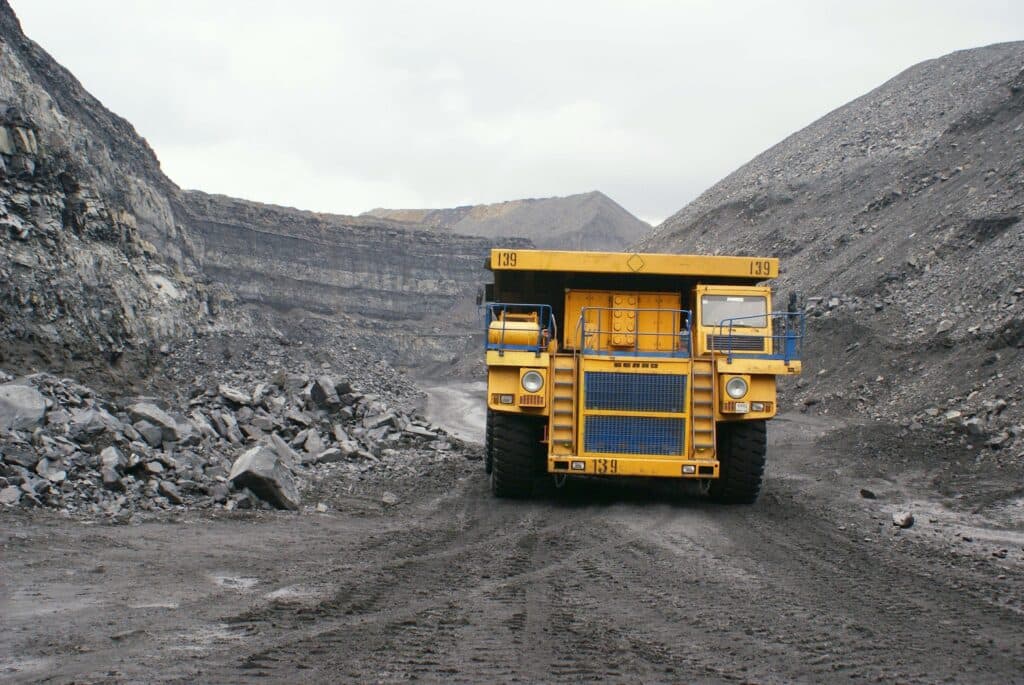
The purchase of coking, or metallurgical, coal for steelmakers is often assessed primarily on the basis of its price per tonne. However, according to Cesar Canali of Aster Resources and Clinch Resources, this is too narrow a view. Coal is an input into one of the most capital- and operationally intensive processes in steelmaking, meaning its quality and reliability may be worth more to buyers than the purchase price itself.
A supplier offering coal at five dollars per tonne less may ultimately prove more expensive if inconsistent quality disrupts the coke-making blend, increases the need for operational adjustments, causes logistical problems or requires higher inventories. Canali therefore recommends answering five basic questions before signing a major contract.
First: quality
What is the supplier’s actual quality variability? A quality certificate for a single shipment does not indicate what the product will be like over the following months. What matters is the historical variability of parameters such as ash, sulphur, volatile matter and moisture content, fluidity, or CSR and CRI values. It is therefore not just a question of whether the supplier can meet the specification, but whether it can consistently maintain it within a commercially usable range. Stable quality makes blend preparation easier and reduces the need for operational interventions.
Second: coal economics
What value does the coal bring to the entire steelmaking process? The price per tonne is only one part of the economics of a supply. More expensive coal can improve coke quality and productivity, increase blend flexibility or support blast furnace performance. Conversely, a cheaper raw material can generate additional costs elsewhere. The assessment should therefore also include logistics, inventory requirements, working capital and the risk of supply disruptions.
Third: origin
Does the supplier genuinely control the entire chain? The credibility of a quality specification depends on the operating system behind it. The buyer should understand the entire chain – from the mine and processing plant through stockpiles and blending to rail or road transport, loading and sampling. It is also important to be able to explain how changes in geology or the mining plan will affect the final product.
Fourth: risk management
What happens when something goes wrong? Disruptions can occur at the mine, on the railway or at the port. The key issue is therefore not only whether a problem occurs, but how the supplier responds to it. Speed of communication, a clear escalation process and the availability of alternative supplies are crucial. Timely information gives the buyer room to make decisions and reduces the economic impact of the problem.
And fifth: the relationship with the supplier
Is this a one-off transaction or a strategic relationship? Before concluding a major contract, the buyer should know the supplier’s production history, mining plan, infrastructure and logistics capabilities. It is also important whether the supplier can grow alongside the buyer in the future and secure higher volumes while maintaining quality.
The main message is simple:
The lowest price does not necessarily mean the lowest real cost. For our readers following energy and industry, the broader lesson is that supply chain reliability, predictability and resilience have economic value, even if they are not immediately visible in a purchasing price table.
Translation disclaimer
This article is a machine translation of the Czech original and has not yet been fully reviewed. In case of any doubt, please refer to the Czech version.
Sdílejte článek prostřednictvím:
You might also like
17 October 2026, 13:09