Czech hot-water pipeline from Temelín to České Budějovice to cost CZK 2.4bn, up from ČEZ’s earlier estimate of CZK 1.6bn

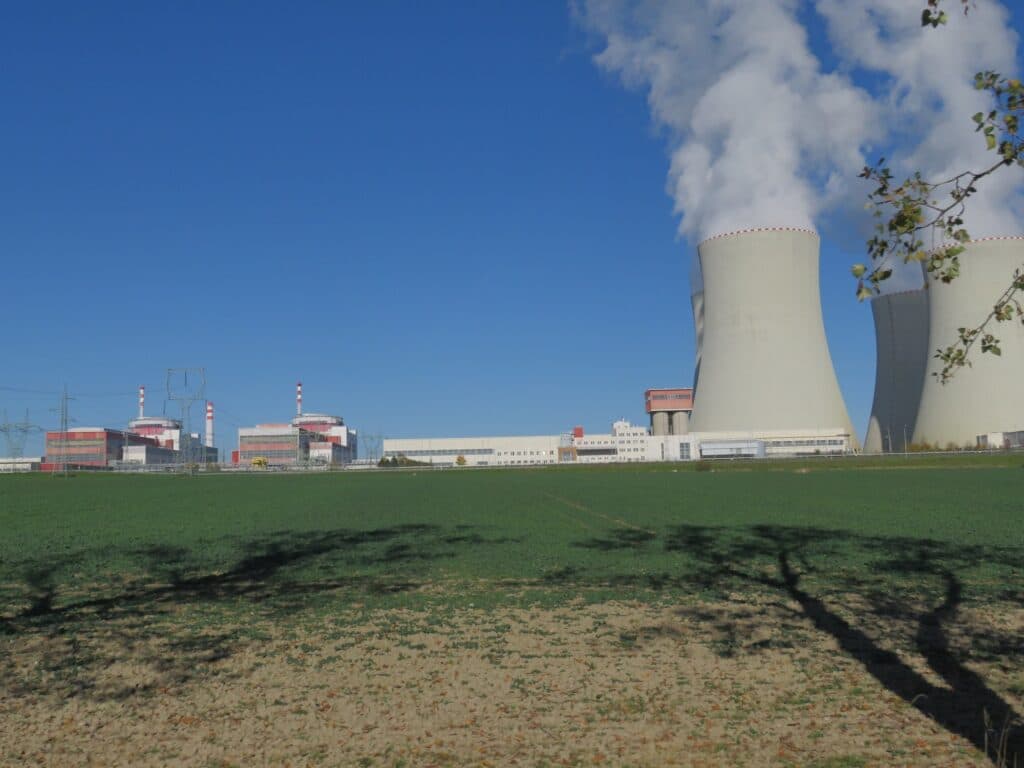
The Temelín Nuclear Power Plant supplied 50 terajoules (TJ) of heat during the first month of operation of the hot-water pipeline to České Budějovice. On average, energy workers supplied the České Budějovice heating plant with water heated to 110 degrees Celsius. Temelín spokesperson Marek Sviták informed journalists. In response to a question from the Czech News Agency (ČTK), ČEZ also clarified the cost of building the 26-kilometre-long pipeline. It initially put the cost at CZK 1.69 billion, but now expects it to reach CZK 2.4 billion. The Temelín pipeline will cover 30 percent of heating demand in České Budějovice. It will supply 750 terajoules a year, and is expected to deliver heat for at least 20 years.
„We are still at the start of the heating season, which is reflected in the amount of heat supplied. At the peak in winter, water at a temperature of 140 degrees Celsius should flow into České Budějovice; after cooling in the heating network, water at around 70 degrees Celsius will flow back,“ said Jan Kruml, director of the Temelín power plant.
In response to a question from the Czech News Agency today, ČEZ clarified the cost of the pipeline. It initially announced a figure of CZK 1.69 billion. „That was the cost of completing the project, as stated in the Commercial Bulletin, which is publicly available. The final account has not yet been settled; it may include both certain payments and claims against the original contractor, which became insolvent during construction. Including payments made before Tenza went insolvent, we expect the total cost to be CZK 2.4 billion,“ the Temelín spokesperson said.
ČEZ initially announced that the pipeline would start supplying heat to České Budějovice at the turn of 2020 and 2021. Construction began in spring 2019. The project was delayed by about two years. Work came to a halt for about a year from the end of 2020 after construction company Tenza went bankrupt. At the end of 2021, ČEZ selected the companies that completed the pipeline: Elte and Energie – stavební a báňská.
The pipeline should meet the heating demand of approximately one-third of the heating plant’s customers, with the rest supplied by the company’s own sources. The heating plant’s emissions, including greenhouse gases released into the atmosphere, will fall by about a third thanks to the pipeline. The company will save more than 80.000 tonnes of carbon dioxide emissions a year by not burning coal. The pipeline began trial operation in October, when representatives of the České Budějovice city administration welcomed the fact that 30 percent of the city’s heat would now be available at stable prices unaffected by market developments.
Two 26-kilometre-long pipelines with an external diameter of 80 centimetres connect Temelín and České Budějovice. Both pipes are buried at least 1.3 metres underground. In winter, water at temperatures of up to 140 degrees Celsius will flow into České Budějovice; for the rest of the year, the temperature will be 90 degrees Celsius, ČEZ said.
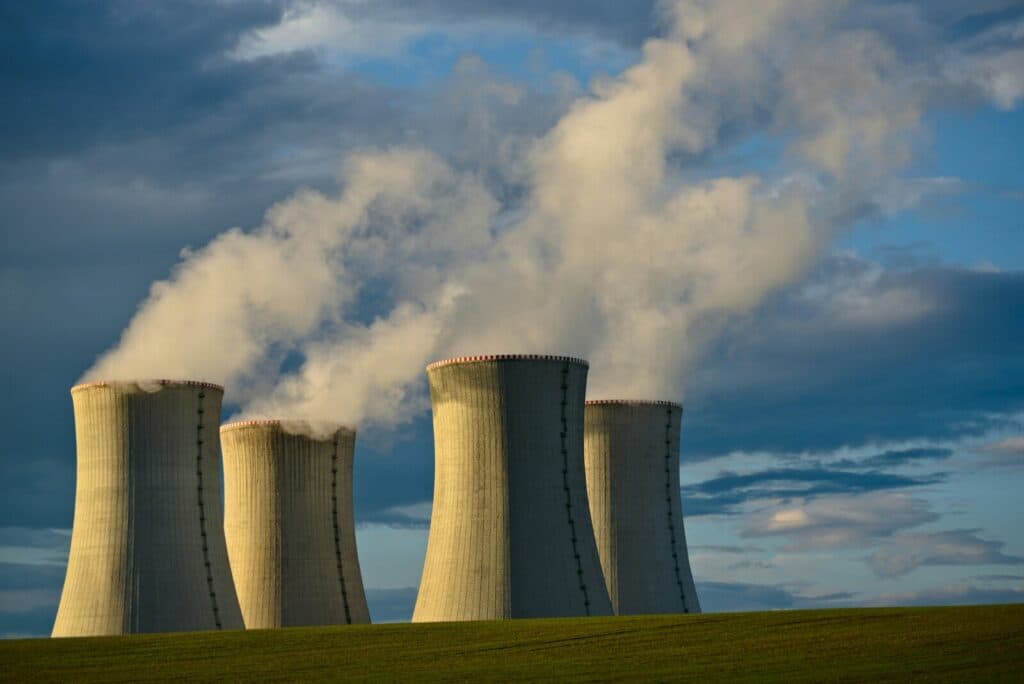
Temelín is the country’s largest electricity producer, covering about one-fifth of domestic consumption. Last year it generated 16.29 terawatt-hours (TWh) of electricity; so far this year, it has generated 13.1 TWh.
The České Budějovice heating plant supplies heat to 30.000 apartments and more than 400 companies, institutions, schools, healthcare facilities and shops. Last year it sold 1463 terajoules of heat, reported revenue of CZK 1.3 billion and posted an after-tax profit of CZK 23.1 million. This is according to its annual report.
Translation disclaimer
This article is a machine translation of the Czech original and has not yet been fully reviewed. In case of any doubt, please refer to the Czech version.