
23 October 2026, 14:38
Loading...
End of an era: The United Kingdom closes the chapter on coal power after 142 years

Zuzana Vrbová
8 October 2024, 06:26
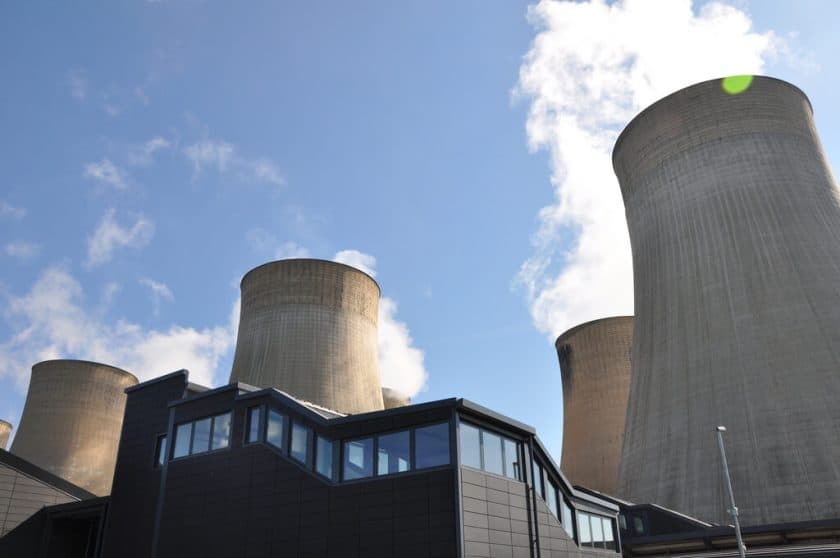
The United Kingdom has officially stopped generating electricity from coal. The country has brought a 142-year tradition to an end—a tradition that shaped the energy sector both at home and around the world.
The last coal-fired power station, at Ratcliffe-on-Soar, shut down last week, according to the British news service BBC. The power station had been in operation since 1967. Its closure marks a significant milestone in the country’s ambitions to reduce its contribution to climate change. In terms of its environmental impact, coal is the worst fossil fuel for generating electricity, producing the most greenhouse gases when burned.
The United Kingdom was at the forefront of coal-fired power generation and has now become the first major economy to abandon it. The world’s first coal-fired power station, Holborn Viaduct, was built in London by Thomas Edison in 1882. It supplied electricity to streetlights.
Until the first half of the twentieth century, coal supplied almost all electricity in the United Kingdom. Gas began to displace coal in the early 1990s, but coal remained a key source of electricity for the British grid over the following two decades. In 2012, for example, it still generated 39 % of British electricity.
In light of climate science, the United Kingdom set its first climate targets in 2008. In 2015, the government announced that it would phase out coal completely over the next ten years, following the example of other countries in Europe.
The country set targets for renewable energy: in 2010, renewables accounted for just 7 % of energy in the United Kingdom. In the first half of 2024, the figure had risen to more than 50 %. The target date for phasing out coal was then brought forward by a year.
Although coal is a highly polluting energy source, its advantage is that generation from it does not depend on weather conditions. The Energy System Operator, the British transmission system operator, said innovations were now needed to help ensure grid stability.
It identifies batteries as a key technology. Although battery energy storage has made significant progress in recent years, many warn that Britain—and Europe as a whole—must become less dependent on China.
Translation disclaimer
This article is a machine translation of the Czech original and has not yet been fully reviewed. In case of any doubt, please refer to the Czech version.
Sdílejte článek prostřednictvím:
You might also like


23 October 2026, 11:01


23 October 2026, 06:34