23 October 2026, 14:38
Loading...
France launches solar auctions and supports self-consumption generation

Martin Voříšek
13 March 2017, 15:30
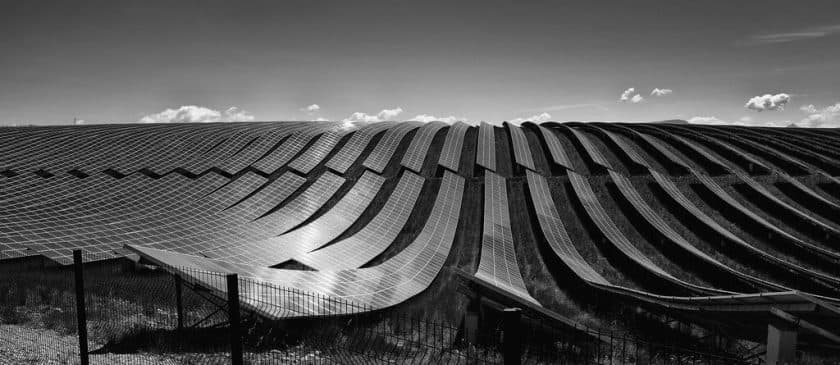
France last week selected the winners of auctions for 500 MW of installed capacity in ground-mounted solar power plants. The first of six auctions, which will run until 2019, closed at an average price of EUR 62.5 per MWh of electricity.
France has begun a gradual transformation of its power generation mix. In the coming years, it plans to significantly expand renewable energy sources, particularly solar and wind power plants. In strongly export-oriented France, these are expected to gain a foothold in the mix at the expense of nuclear energy, which is to reduce its share from around 75% to 50%.
The first tender for solar power took place last week. The competition covered 500 MW out of a total 3,000 MW, with the remaining auctions set to take place by the end of 2019. The support price averaged EUR 62.5/MWh.
There has also been discussion in France that the capacity limit for solar power plant auctions could be increased after the technology positively exceeded expectations.
In addition to the tender for solar power plants, the first round of auctions was also held for plants using renewable energy sources for self-consumption. Support for renewable generation for self-consumption is similar to that in regular auctions. The support takes into account the benefits of electricity generation for self-consumption, particularly the absence of grid use.
In total, tenders for self-consumption generation are to award support for 450 MW of installed capacity. In the first round, an average tariff of EUR 19.35/MWh was awarded to projects with a total capacity of more than 20 MW.
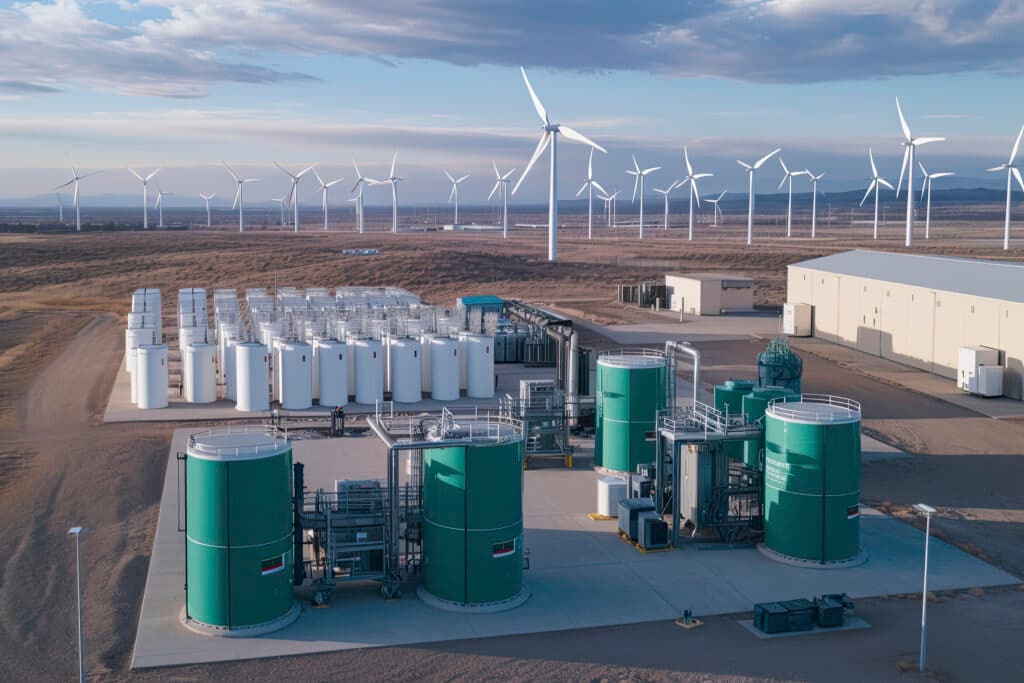
A specific tender was also launched for innovative solar technologies. In addition to projects such as solar roads, projects using innovative modules, inverters or innovative approaches to optimising or monitoring solar power plant generation are eligible to participate.
In the area of innovation, projects with 210 MW of installed capacity will be supported through three separate tenders.
Lead image source: Flickr @Ton Schulten
var element = document.getElementsByClassName('entry');
var width = element[0].offsetWidth;
var options = {
"chart": {
"type": "pie",
"width": width,
"height": 300,
"plotBackgroundColor": "rgba(0, 0, 0, 0.01)",
"backgroundColor": "rgba(255, 255, 255, 0.01)" },
"credits": {
"href": "https://oenergetice.cz",
"text": "oEnergetice.cz",
"style": {
"fontSize": "15px",
"font-weight":"800",
"color": "#444444",
"font-style":"italic"
} }, "plotOptions": {
"pie": {
"allowPointSelect": true,
"cursor": true,
"showInLegend": true,
"dataLabels": {
"enabled": false
}
}
}, "title": {
"text": "Share of electricity generation by source"
}, "legend": {
"align": "right",
"layout": "vertical"
},
"xAxis": {
"type": "category"
},
"series": [
{
"index": 0,
"name": "Share of electricity generation",
"data": [["Nuclear",77.43],["Renewable energy sources",17.31],["Natural gas",2.71],["Solid fuels",1.69],["Oil and oil products",0.37],["Waste (non-renewable source)",0.37],["Other",0.11] ]
}
]
};
Highcharts.chart('mv-pie-electricity-share',options);
Translation disclaimer
This article is a machine translation of the Czech original and has not yet been fully reviewed. In case of any doubt, please refer to the Czech version.
Sdílejte článek prostřednictvím:
You might also like
23 October 2026, 11:01
23 October 2026, 06:34