
23 October 2026, 14:38
Loading...
German energy sector emissions fall, total emissions rise

Martin Voříšek
10 January 2017, 10:54
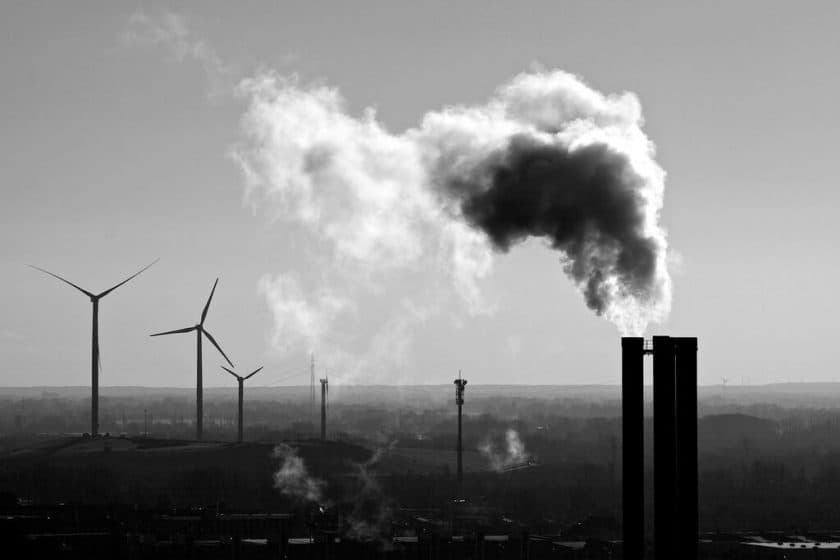
Germany’s CO2 emissions in the electricity sector fell by 1.6% last year, while total emissions rose by 0.8%. The increase in emissions was driven by higher emissions in the industrial, heating and transport sectors.
Preliminary results on Germany’s emissions look unfavourable from an environmental perspective. Despite efforts to support and develop renewables, emissions rose slightly from 908 million tonnes to 916 million tonnes of CO2.
However, the electricity sector was not to blame, having reduced emissions by 1.6% last year thanks to greater use of natural gas, which is less emissions-intensive than coal. According to current data, the share of renewables in the electricity sector also increased slightly to 32.3%, from 31.5% last year.
An even greater increase in the share could have been expected, particularly thanks to the continued installation of wind power plants (around 5 GW according to Agora Energiewende, around 4.3 GW according to ISE) and solar power plants (around 1 GW), but conditions for generation were slightly worse this year and output from both sources fell slightly.
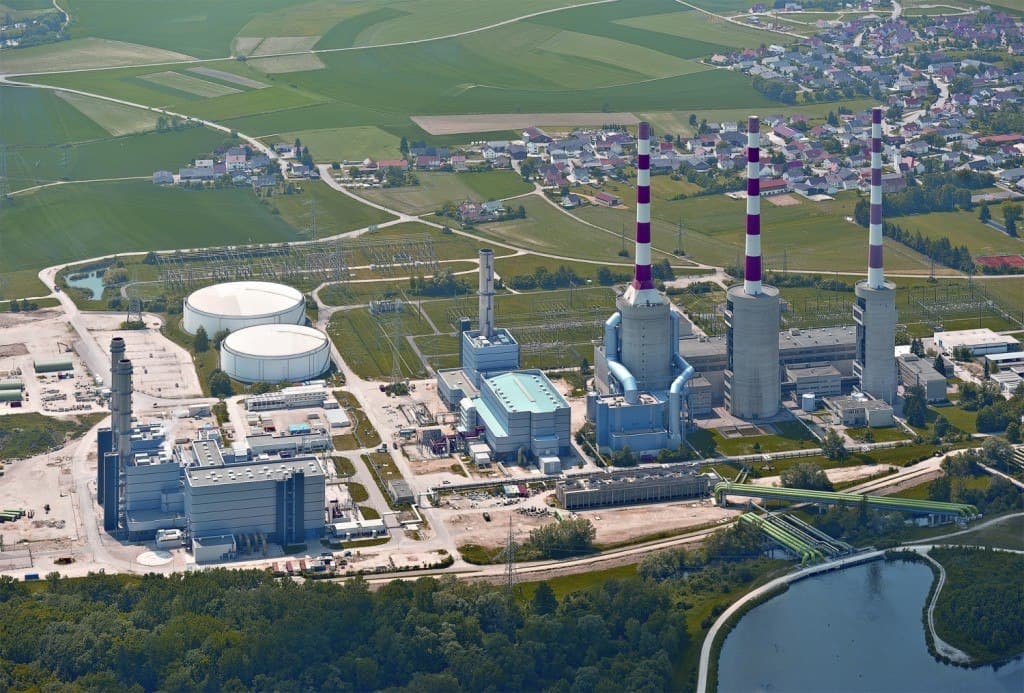
The rise in emissions is attributed primarily to the industrial sector, heating and transport. In transport in particular, the planned shift to alternative fuels is not taking place. Last year, these accounted for only 2% of new cars (a total of 48,000 hybrid vehicles and 11,500 fully electric cars).
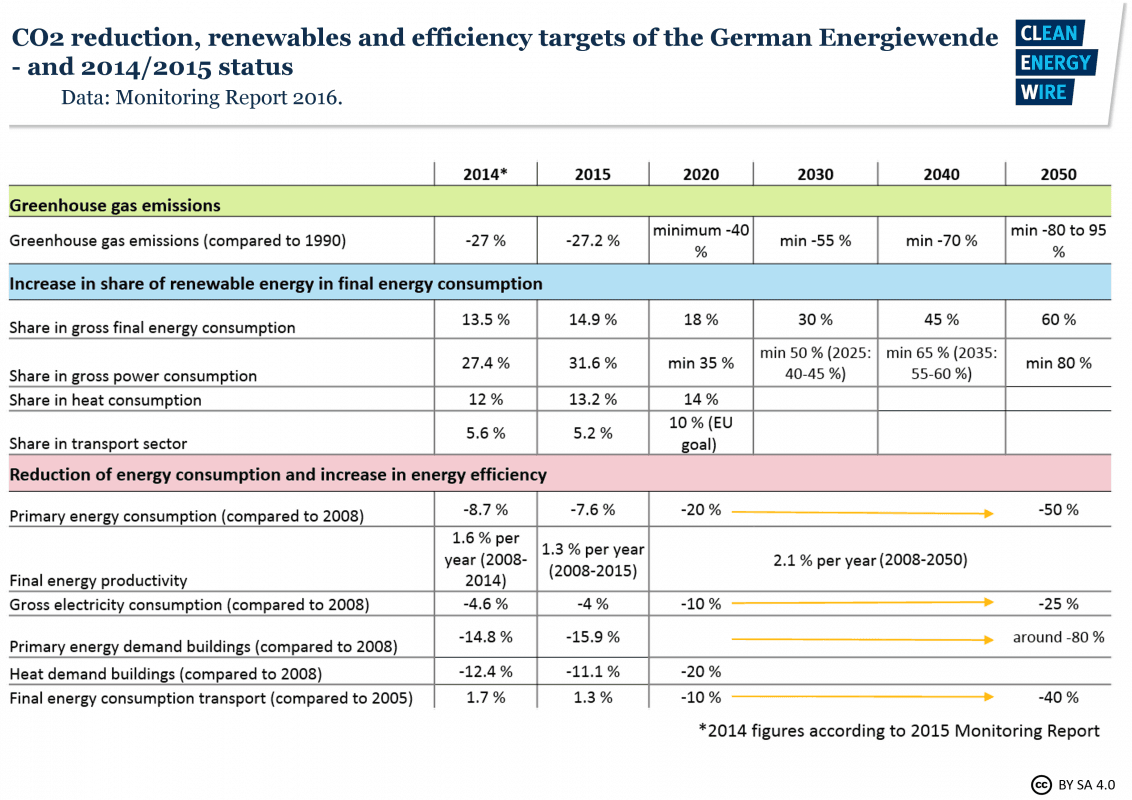
In light of the current data, achieving Germany’s emissions targets appears increasingly unrealistic. By 2020, emissions are to be reduced by 40% compared with 1990 levels; according to 2015 data, emissions had so far been reduced by only 27.2%. The target of having 1,000,000 electric cars on German roads is also moving further out of reach.
Moreover, the further planned shutdown of nuclear units (around 3 GW of installed capacity is due to be shut down by 2020) will be another obstacle Germans will have to overcome on their path towards the 40% target.
In addition to shutting down nuclear power plants, the plan also envisages reducing the capacity of coal-fired power plants, which will be placed in reserve. By 2019, 2.7 GW of coal-fired power plant capacity will be shut down. The first coal-fired power plant, Buschhaus, owned by Mibrag (EPH), was shut down on 1 October last year.
Translation disclaimer
This article is a machine translation of the Czech original and has not yet been fully reviewed. In case of any doubt, please refer to the Czech version.
Sdílejte článek prostřednictvím:
You might also like

23 October 2026, 11:01

23 October 2026, 06:34