
23 October 2026, 06:34
Loading...
German parliament to vote Friday on gas fees also paid by Czechia

oEnergetice.cz, ČTK
18 December 2024, 15:28

Berlin, 18 December (ČTK correspondent) – The German Bundestag will vote on Friday on an amendment to the law that scraps the controversial gas transit fee, which was also paid by Czechia. This is according to the updated agenda for the current sitting week. Berlin promised neighbouring countries in May that it would scrap the fee. However, the fate of the relevant amendment was unclear following the government’s collapse in November. It could be approved on Friday with help from the conservative opposition.
According to the parliamentary website, the Bundestag will vote on Friday on an amendment to the Energy Act, following a debate lasting around 40 minutes. In its explanation of the bill, Chancellor Olaf Scholz’s government said the change was necessary because the European Commission (EC) had concluded that part of the current law was incompatible with EU law.
According to the German government, the fees also make it harder for Central and Eastern European countries to diversify their gas supplies. „This means the fee runs counter to the EU’s joint efforts to become independent of Russian natural gas,“ the description of the bill on the German Bundestag’s website says. Under the amendment, from 1 January 2025 the fee would be charged only domestically, and not at cross-border points.
The gas transit fee was introduced in 2022. It was originally intended to cover the costs of storing gas and ensuring security of supply, and applied to companies and consumers in Germany as well as importers in neighbouring countries who buy gas through German pipelines. In May this year, following criticism from Czechia and other countries, Germany promised to abolish it from January.
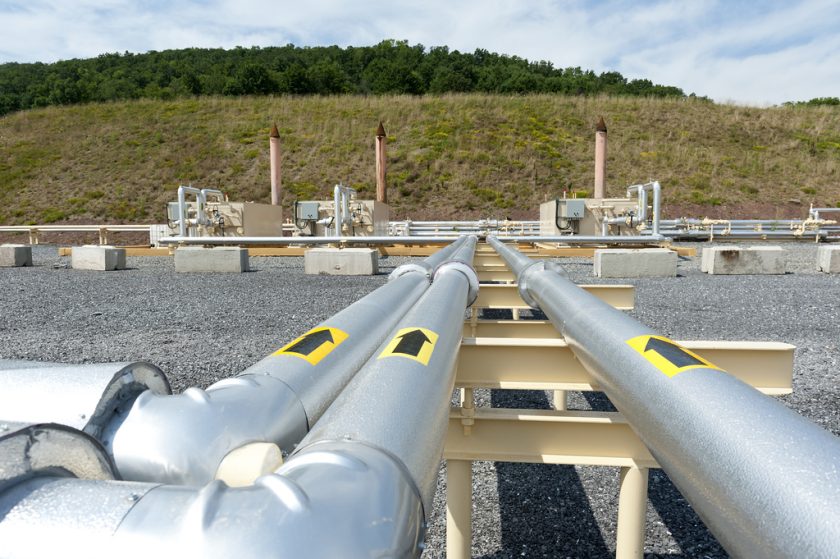
The bill was submitted to parliament by the government of the Social Democrats (SPD), the Greens and the Free Democrats (FDP) before it collapsed in early November. The SPD-Green minority government still supports it, but it is unclear how the FDP, which left the government and joined the opposition, will vote. The conservative opposition alliance CDU/CSU could provide the votes needed for approval.
Christian Democratic Union (CDU) leader Friedrich Merz said on Monday that the law scrapping the gas transit fees was one of the few bills that the CDU/CSU could support before the end of the parliamentary term. He stressed that support for any government bill remained „the subject of talks this week“.
Friday is the Bundestag’s last sitting day of the year, and therefore the last day on which the law can be passed in time to take effect on 1 January. Czech Industry Minister’s deputy Štěpán Hofman said in Brussels on Monday that the possibility of passing the law in January had also been considered, with the change taking effect retroactively from the start of the year.
Translation disclaimer
This article is a machine translation of the Czech original and has not yet been fully reviewed. In case of any doubt, please refer to the Czech version.
Sdílejte článek prostřednictvím:
You might also like



22 October 2026, 10:45
