
1 November 2026, 16:09
Loading...
Germany spent over 4 billion euros last year stabilizing its transmission grid

David Vobořil
19 December 2023, 15:51
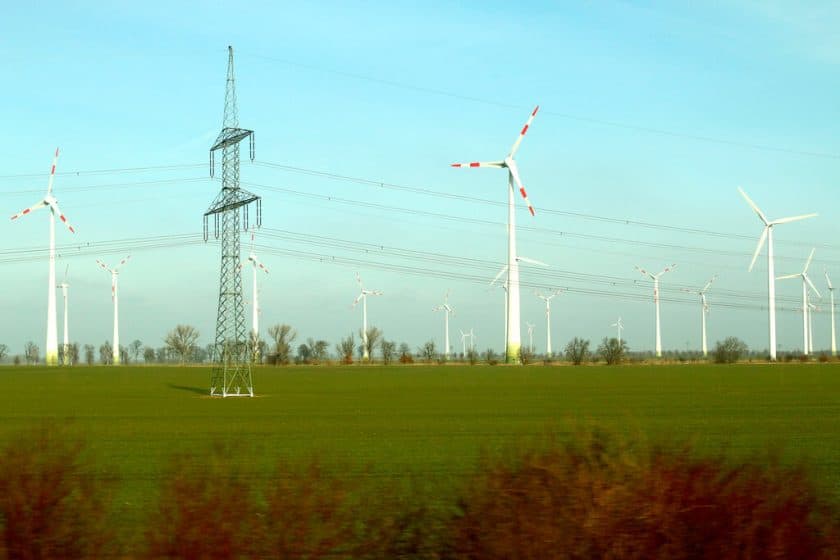
Germany's costs for measures to stabilize its transmission grid rose to 4.2 billion euros last year, significantly exceeding the previous year's record. This was driven by higher costs for activating conventional power plants for redispatch, as well as an overall increase in the volume of measures. This is according to data from Germany's grid regulator (BNetzA).
The energy crisis and the resulting rise in electricity prices also affected German transmission system operators' costs of ensuring grid stability last year. Preliminary estimates put the cost of measures to stabilize the grid in 2022 at 4.25 billion euros, up 55% from the previous year. Costs therefore rose significantly for the second year in a row, after a 60% year-on-year increase in 2021.
These measures include curtailing generation from renewable energy sources (RES) and conventional power plants, increasing output from conventional power plants active in the market or held in the grid reserve (so-called redispatch), and so-called countertrading between individual bidding zones.
Redispatch is when resources at a different location are brought online in place of the conventional generators originally scheduled to supply electricity to the grid, in order to prevent congestion in the power system. Germany refers to curtailing the output of supported generators (RES and CHP) for the same purpose as so-called Einspeisemanagement. These measures are costly because the original generators must be compensated for being unable to supply electricity to the grid, while payment must also be made for the electricity produced by the generators brought online in their place.
The rise in costs was mainly due to a sharp increase in electricity prices resulting from higher fuel prices (coal, gas and oil), as well as a greater volume of grid-stabilization measures. This rose by approximately 19% year on year last year, for the following reasons:
- Long periods of low water levels in the Rhine reduced the capacity to transport coal. This limited the operational readiness of several power plants in southern Germany. The unavailability of power plants in the south led to generally higher use of the transmission grid in the north-south direction, and thus to an additional need for redispatch.
- Low availability of nuclear power plants in France resulted in high electricity exports to France and increased grid loading in the east-west direction.
- The shutdown of the Gundremmingen C nuclear power plant at the end of 2021 led to heavy use of transmission lines in Baden-Württemberg and Bavaria in the east-west direction, and resulted in increased redispatch in the control area.
- Several storms in February 2022 and strong winds in April led to high output from wind power plants and contributed to increased grid loading.
- An increase in the reported volume of redispatch resulting from a change in how redispatch involving renewable energy sources and CHP facilities is reported (so-called redispatch 2.0).
Translation disclaimer
This article is a machine translation of the Czech original and has not yet been fully reviewed. In case of any doubt, please refer to the Czech version.
Sdílejte článek prostřednictvím:
You might also like
1 November 2026, 07:59

31 October 2026, 12:55

31 October 2026, 08:21
30 October 2026, 20:16