23 October 2026, 14:38
Loading...
Greenhouse gas emissions in Czechia have fallen by more than a third since 1990

Eduard Majling
2 February 2016, 10:29
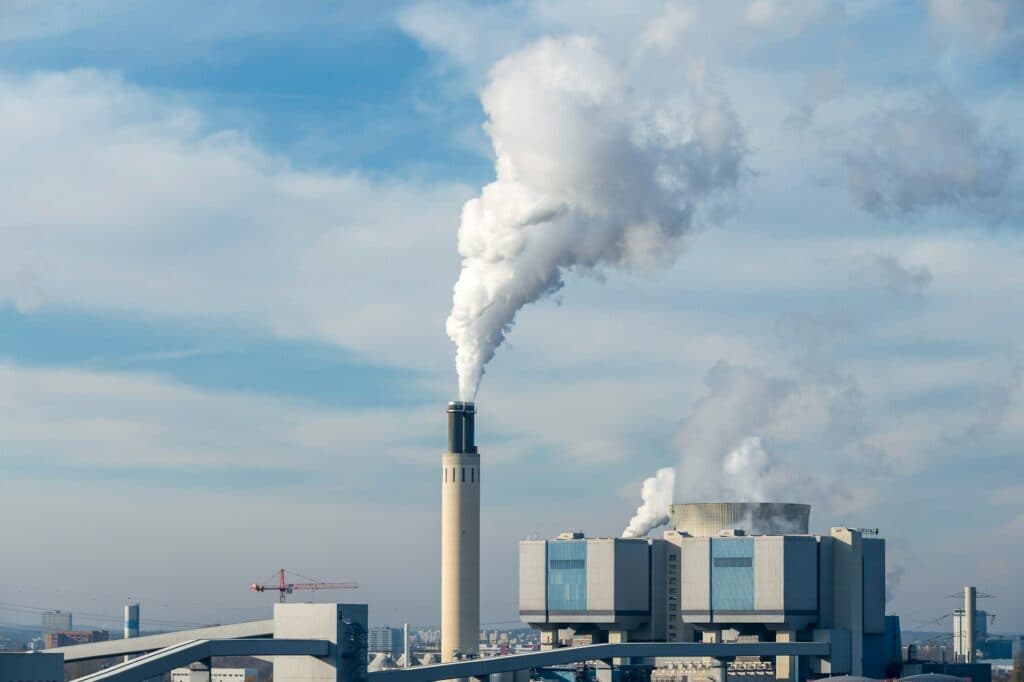
The Czech Republic emitted a total of 123 million tonnes of greenhouse gases into the atmosphere in 2014, according to figures from the national greenhouse gas inventory. Compared with the 1990 reference year, which serves as the baseline for European countries’ climate targets, this represents a decline of 36.9 %.
Along with other European Union member states, the Czech Republic committed under the Kyoto Protocol to reduce its emissions by 20 % compared with 1990 levels, and with an almost 37% decline in 2014, it significantly exceeds the European average.
According to a report by the European Environment Agency, the EU had reduced its emissions by 23 % over the same period, bringing it closer to its next target – a 40 % emissions reduction by 2030.
Better than Germany or the UK
The Czech Republic has been successfully reducing emissions for a long time. Eurostat figures up to 2012 show that Czechia has been more successful in curbing emissions than Germany, France or the UK, for example. The energy sector also accounted for a large share of the year-on-year fall in emissions between 2013 and 2014, emitting 5.7 % less in 2014 than in 2013. The significant decline in emissions was also driven by the fact that average temperatures in 2014 were record high.
The planned Climate Protection Policy of the Czech Republic, which the Ministry of the Environment plans to present to the government by the end of the first quarter, should also contribute to a further reduction in greenhouse gas emissions and a gradual transition to a low-carbon economy.
Lead photo source: Tony Webster
Translation disclaimer
This article is a machine translation of the Czech original and has not yet been fully reviewed. In case of any doubt, please refer to the Czech version.
Sdílejte článek prostřednictvím:
You might also like
23 October 2026, 11:01
23 October 2026, 06:34