
23 October 2026, 14:38
Loading...
Grid stability can also be maintained with smart EV charging, TenneT and BMW pilot shows

Martin Voříšek
11 November 2019, 14:29
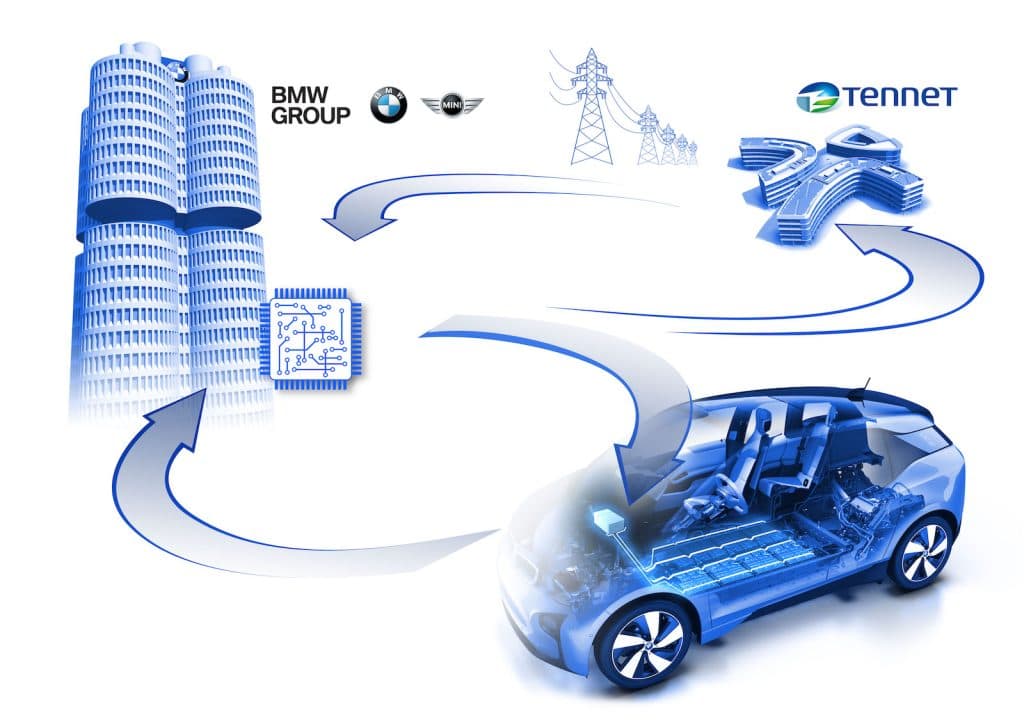
The German transmission system operator has launched a pilot project with German carmaker BMW aimed at assessing the possibility of using EV charging to reduce load and maintain the system’s power balance. Initial results show that flexible charging may have potential in this area.
With the growing share of renewable sources, transmission system operators are seeking alternatives to conventional methods of balancing the grid. In addition to traditional ancillary services, operators are also launching pilot projects targeting the use of demand-side management, such as the project by transmission system operator TenneT and carmaker BMW.
The aim of the pilot project was to determine whether smart EV charging has potential for use in transmission system management. As part of the project, charging by users who joined the project was remotely controlled so that their charging could be temporarily limited when necessary.
Although the TenneT report does not mention specific options for balancing the system through EV charging, the project’s outcome is that charging flexibility can help balance the transmission system. A key prerequisite for success, however, is willingness to participate in the project – the report itself states that the current project provides a basis for applying it on a larger scale.
For the project to succeed, electromobility will also need to develop further in Germany. According to the latest figures, there are currently only 100.000 EVs in Germany – by 2022, however, their number was expected to reach one million according to the plans.
The project presented could therefore be one way to reduce the costs of maintaining a balanced system. In Germany, these costs have been rising over the long term as the share of renewables increases.
Transmission system operators, like other market participants, are seeking opportunities in the changing market environment. Projects using flexibility are also currently under way in Czechia. Czech transmission system operator ČEPS, together with other partners, is developing the DFlex project, the purpose of which is to verify the applicability of the flexibility aggregation concept under Czech energy-sector conditions.
Translation disclaimer
This article is a machine translation of the Czech original and has not yet been fully reviewed. In case of any doubt, please refer to the Czech version.
Sdílejte článek prostřednictvím:
You might also like
23 October 2026, 11:01

23 October 2026, 06:34