
23 October 2026, 14:38
Loading...
Ministry: Germany's capacity market should take the form of a so-called hybrid market

David Vobořil
12 August 2024, 06:32
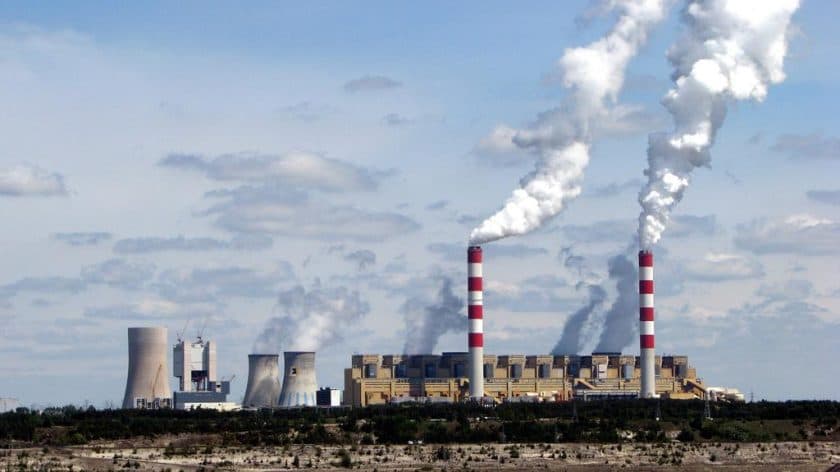
Germany should seek to create a so-called hybrid capacity market as part of its energy transition, combining centralised and decentralised elements, the German Ministry for Economic Affairs said last Friday. This market would make it possible to finance backup power plants, which are needed when solar and wind farms are not generating electricity, as well as measures to stabilise the transmission grid.
“The high and growing share of renewable energy sources means a paradigm shift for the electricity system: we need to move from a system with inflexible demand and static generation to one with cost-effective variable electricity generation from wind and photovoltaics, complemented by storage, flexible demand management and flexible backup power plants,” the German Ministry for Economic Affairs and Climate Action said.
Under the ministry’s proposal, central organisation of newly built backup power plants, such as gas-fired plants, should ensure sufficient capacity to cover baseload demand. This would, however, be complemented by a decentralised system in which operators of newer and experimental technologies would also compete in the market.
According to the ministry document, this approach would provide planning certainty for gas-fired power plants by securing firm contracts. At the same time, the decentralised element of the capacity market would create room for untested technologies to enter the market and seek to respond more effectively to flexible electricity demand.
“The aim is to combine the advantages of the different approaches: investment certainty for long-term investments on the one hand... and openness to innovation, flexibility and an optimal technology mix through the inclusion of decentralised knowledge on the other,” the document says.
Retaining a centrally organised element in the proposal would also allow different regions of the country to bid in auctions as blocks, enabling them to signal where investment is needed, the document says.
Germany has already committed to launching a capacity market by 2028, but has not yet decided what form it will take. Introducing a capacity market would mean that power plants received compensation for being ready to operate, including when they are not generating electricity. This would ensure they are available when needed.
The document also examined other possible forms of capacity market, including a fully decentralised market and a fully centralised market. According to the document, a decentralised capacity market would not ensure security of supply, while a centralised one could prevent new technologies from entering the market.
Any approach would need to be approved by the European Commission before it could be introduced. Comments on the document will be accepted until 28 August, and the government said it expects to adopt a decision and the relevant legislation in the autumn.
Germany has set a target of meeting 80 % of gross electricity consumption with renewable electricity generation by 2030. In the first half of this year, German renewables covered approximately 57 % of gross electricity consumption. The increasing electrification of sectors that still depend on other energy sources, particularly heating and transport, is also likely to boost overall electricity consumption in the coming years.
Translation disclaimer
This article is a machine translation of the Czech original and has not yet been fully reviewed. In case of any doubt, please refer to the Czech version.
Sdílejte článek prostřednictvím:
You might also like


23 October 2026, 11:01


23 October 2026, 06:34