
23 October 2026, 14:38
Loading...
The EU has stepped up efforts to transition to a new energy system over the past three months
oEnergetice.cz
31 March 2025, 18:03
A little over six months have passed since the publication of the Draghi report on “The Future of European Competitiveness”. The document ushered in a period of intense debate, particularly at EU level, as the European Commission sought to find the right balance between the competitiveness of European industry and its long-term decarbonisation agenda.
Is the EU wavering on the Green Deal?
Following a wave of EU policy announcements in recent weeks, it was easy to find people asking whether the EU was losing momentum on the transition to a green economy. To be objective, there are several developments that support this view, including:- On 26 February, the Commission published its first Omnibus package of simplification measures, removing around 80% of companies from the scope of the Corporate Sustainability Reporting Directive (CSRD). The proposal also postponed reporting requirements by two years for companies currently within the scope of the CSRD that were due to start reporting in 2026 or 2027. It also significantly weakened the Corporate Sustainability Due Diligence Directive, which holds companies responsible for environmental damage in their supply chains.
- A week later, the Industrial Action Plan for the European Automotive Sector extended the period for meeting 2025 CO₂ emissions reduction targets from one year to a three-year period covering 2025 to 2027.
- The Commission, which had pledged to announce a new climate target for 2040 in the first quarter, postponed it until later in the year.
In fact, we have seen a doubling down on renewables and PPAs
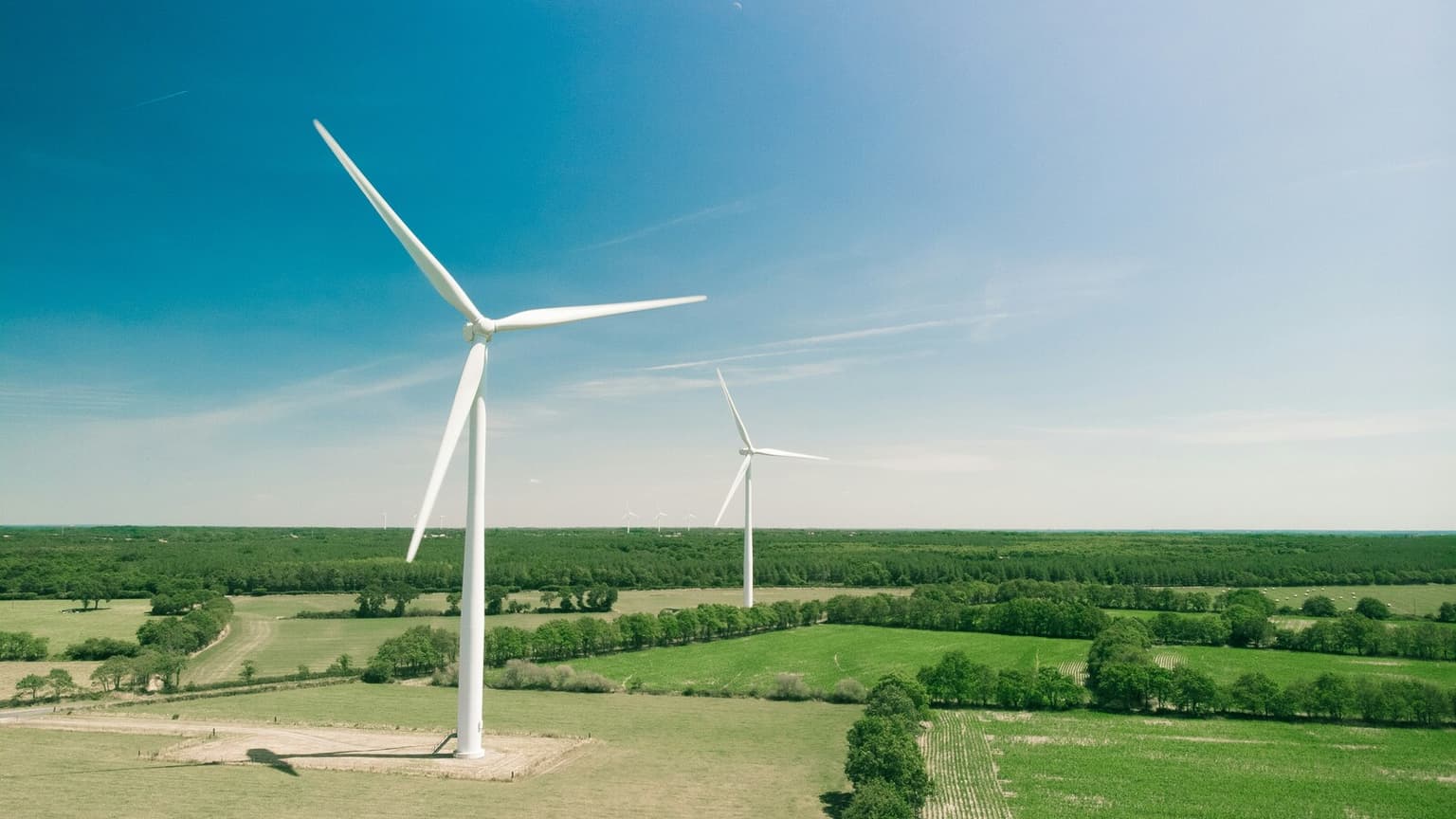
Source: Rezolv EnergyA key confirmation of the Commission’s direction was the Clean Industrial Deal (CID), the Commission’s response to the Draghi report. Published on the same day as the Omnibus simplification package, the CID set a key target for the EU to install 100 GW of renewable electricity capacity annually by 2030. Measures intended to help achieve this ambition include:
- Simplifying state aid rules by June 2025 to accelerate the deployment of renewable energy, industrial decarbonisation and sufficient clean technology manufacturing capacity in Europe (consultation on this measure was subsequently launched on 11 March).
- Shortening permitting times for renewable energy projects, noting that “so far only seven Member States have reported the implementation of these streamlined permitting rules under the new Renewable Energy Directive”.
- Implementing the reforms introduced in the recently adopted electricity market design, which requires Member States to ensure the right conditions for the development of the PPA market across Europe.
- Launching a €500 million pilot programme with the European Investment Bank for corporate PPAs. Under the pilot, the EIB will provide counter-guarantees for a portion of PPAs entered into by companies to purchase green electricity over the long term. The programme is due to come fully into effect in the second quarter.
- Committing to provide Member States with guidance in the fourth quarter of this year on how to design contracts for difference (CfDs), including their potential combination with PPAs.
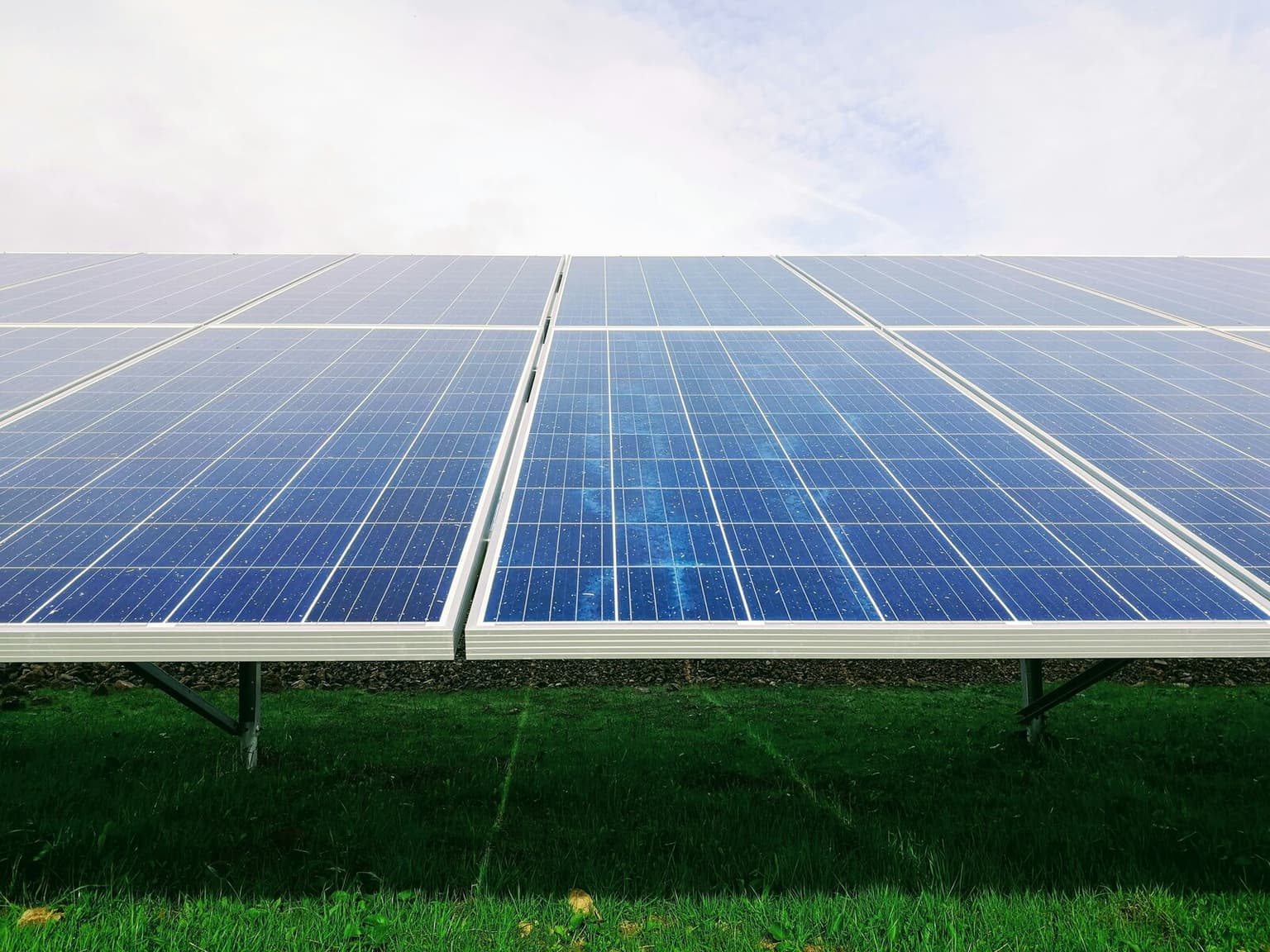
Source: Rezolv EnergyThree weeks later, in its European Steel and Metals Action Plan, the Commission confirmed that “all potential barriers to the use of PPAs, including possible impacts on company budgets, will need to be considered. The Commission will analyse market or regulatory shortcomings that prevent the optimal use of these contracts in energy-intensive sectors and address them where necessary.”
“The EU’s commitment to the green transition and to enabling businesses to secure clean energy through PPAs remains unwavering. The long-term trajectory of Europe’s decarbonisation agenda is clearly set,” said Matej Krušpán, Chief Commercial Officer at Rezolv Energy.One such barrier to the use of PPAs is the lack of publicly available PPA contract templates. The EU Agency for the Cooperation of Energy Regulators (ACER) is seeking to address this shortfall and in March 2025 announced a collection of power purchase agreement (PPA) templates from across the Member States. The initiative aims to provide an overview of best practices, identify barriers and support the development of harmonised standard contracts to facilitate wider use of PPAs across the EU.
What does this mean for industrial consumers?
In short, a change should not be mistaken for a retreat. Although recent decisions may have softened some green rules, the broader trajectory of EU energy policy tells a different story. By prioritising the rapid deployment of renewable energy and strengthening the role of PPAs, the Commission has made clear that its long-term decarbonisation agenda remains firmly in place.For industrial consumers, this confirms the policy support for PPAs at EU level. For those who may have had doubts, it removes a source of risk and allows them to move forward with their green energy procurement plans with confidence.Translation disclaimer
This article is a machine translation of the Czech original and has not yet been fully reviewed. In case of any doubt, please refer to the Czech version.
Sdílejte článek prostřednictvím:
You might also like


23 October 2026, 11:01


23 October 2026, 06:34