
23 October 2026, 14:38
Loading...
Threat to decarbonisation: Slow electricity grid development puts EU targets at risk, ACER says

David Vobořil
17 December 2024, 10:40
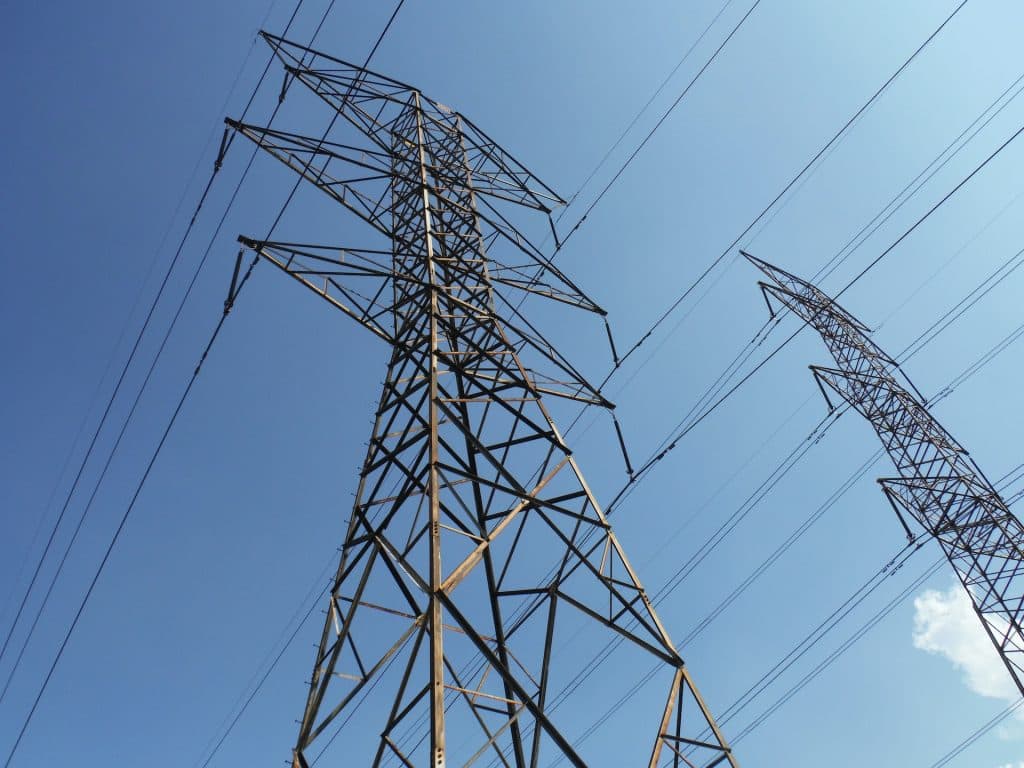
The European Union Agency for the Cooperation of Energy Regulators is warning of the increasingly serious problem of inadequate development of Europe’s electricity grids, which is complicating market integration and efforts to meet the EU’s energy and climate targets. In 2023, the cost of measures to prevent grid congestion reached 4 billion euros, and the situation is expected to worsen despite planned infrastructure expansion.
The European Union Agency for the Cooperation of Energy Regulators (ACER) stresses that targeted development of distribution, transmission and cross-border capacity is essential for a secure, sustainable and competitive EU energy system.
Infrastructure is key to integrating renewable energy generation, electrification and flexibility, as well as to market integration and the optimal functioning of the EU electricity system. This would reduce the cost of preventing congestion. In principle, these benefits should outweigh the cost of the necessary infrastructure investment, ACER says.
The report also warns that the rising costs of operating and developing transmission systems are becoming one of the main factors affecting electricity prices for consumers. These costs also increase the risk of the European market losing competitiveness, especially compared with regions where energy markets face fewer regulatory and infrastructure challenges.
“As grid costs become a major factor in electricity prices, ensuring their sustainability is essential to maintaining competitiveness,” the report says.
As Europe transitions to a decarbonised energy system, interconnections between electricity, gas and hydrogen will grow. Electricity grid development must therefore be coordinated with other energy sectors, rather than planning infrastructure separately in each sector, as is currently the case.
Impact on energy decarbonisation
The report warns that congestion problems are not evenly distributed. The greatest difficulties are reported in regions with a high share of renewable energy sources, such as wind and solar power plants. This situation further underscores the need for more flexible grids and better coordination among transmission system operators.
Insufficient transmission and distribution grid capacity severely limits the integration of renewable energy sources, potentially slowing progress towards decarbonising the EU’s energy sector. New transmission lines and grid upgrades must therefore keep pace with the planned growth in installed renewable energy capacity.
ACER calls for faster grid development
ACER is calling for faster investment in transmission infrastructure and the introduction of advanced technologies to optimise grid operations. The report also urges member states to strengthen cooperation to remove transmission bottlenecks and enable more efficient electricity trading across Europe.
European legislation requires transmission system operators to make at least 70% of transmission capacity available for cross-border trade by the end of 2025. This step is key to connecting energy markets, ensuring security of supply and supporting the development of renewable energy sources.
If the situation is not addressed, inadequate grid development could pose a significant obstacle to a sustainable, interconnected and reliable European electricity market. The full report is available on the ACER website.
Translation disclaimer
This article is a machine translation of the Czech original and has not yet been fully reviewed. In case of any doubt, please refer to the Czech version.
Sdílejte článek prostřednictvím:
You might also like


23 October 2026, 11:01


23 October 2026, 06:34