11 November 2026, 13:45
Loading...
Unused biomass increases emissions: how can it be processed efficiently?
oEnergetice.cz
22 April 2025, 09:30
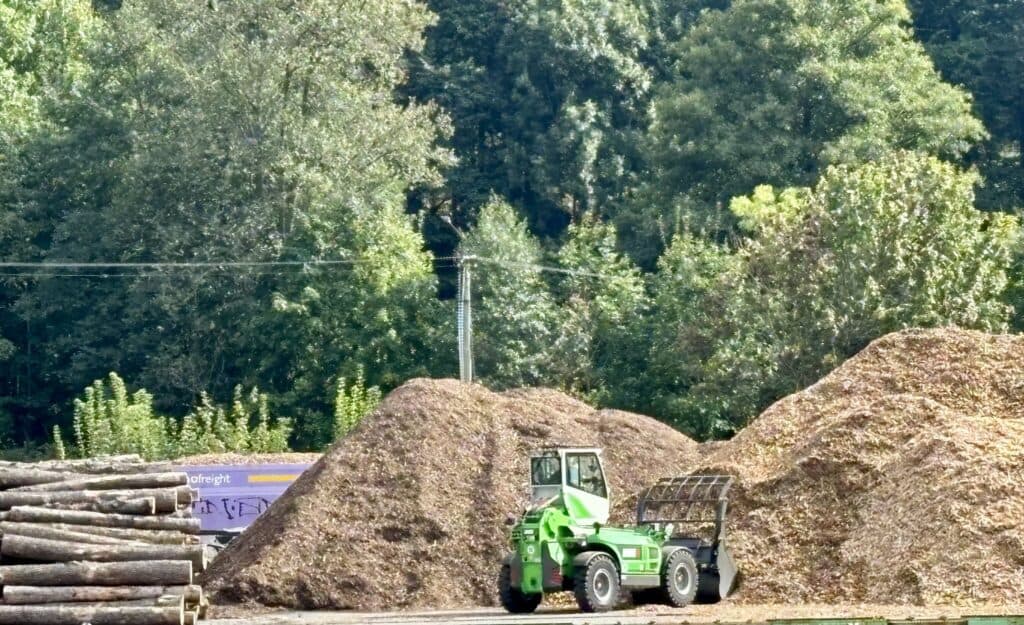
Every year, tonnes of unused biomass are left in nature. Yet seemingly natural decomposition can cause higher greenhouse gas emissions than if the biomass were used for energy. According to renewable energy experts, using biomass for energy can make a significant contribution to reducing the carbon footprint.
Why does biomass decomposition increase emissions?
Biomass decomposes in nature in two basic ways, both of which contribute to greenhouse gas emissions:
Aerobic decomposition (in the presence of oxygen): Biomass is converted primarily into carbon dioxide (CO2) and water. This process is a natural part of the carbon cycle, but it still increases the concentration of CO2 in the atmosphere, contributing to global warming.
Anaerobic decomposition: This occurs, for example, in water, in soil with low oxygen content or in landfills. The process produces methane (CH4), which has approximately 30 times the greenhouse effect of CO2.
Translation disclaimer
This article is a machine translation of the Czech original and has not yet been fully reviewed. In case of any doubt, please refer to the Czech version.
The article continues for subscribers
Premium content
The rest of this article is available to premium subscribers only. Get access to all premium articles on oEnergetice.cz.
You have read only 31% of the article — unlock the remaining 69% with a premium subscription.
Best value: annual subscription
Monthly option 4 € / month
3.25 €/ month
You might also like

11 November 2026, 13:19
11 November 2026, 12:52
11 November 2026, 10:55
11 November 2026, 10:43