
23 October 2026, 14:38
Loading...
Analysis: Czech solar panel prices fell 11% last year; declines likely to end this year

oEnergetice.cz, ČTK
8 February 2025, 13:38
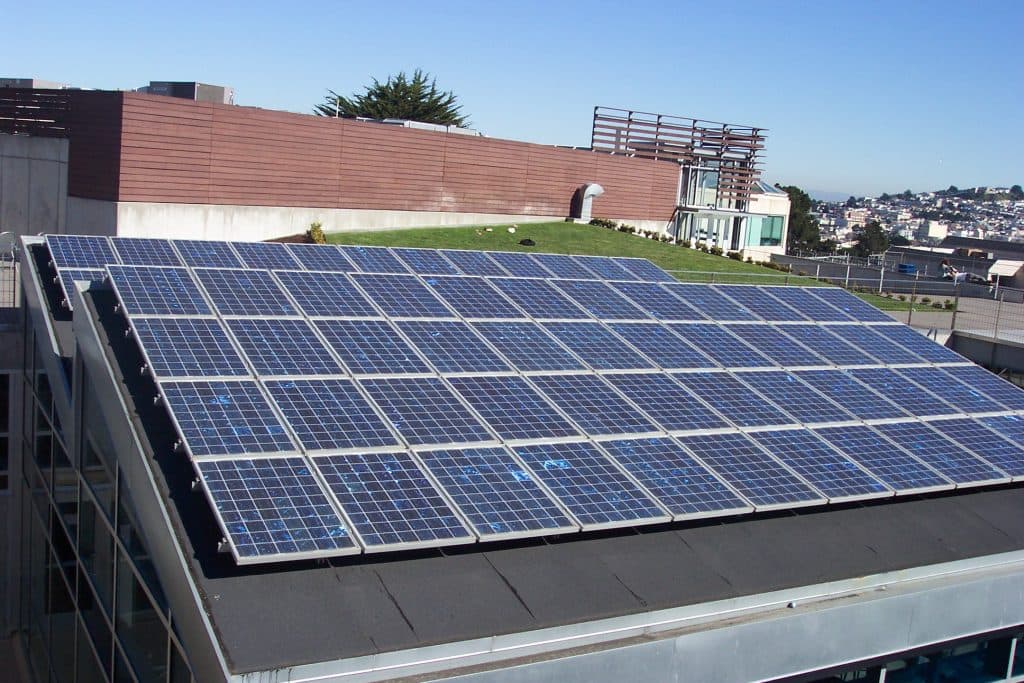
Prices of solar panels continued to fall last year, as they have in recent years, with customers paying 11 percent less for them. However, prices are likely to stop falling this year, driven by higher prices for some materials and continued strong demand. This is according to an analysis by Czech distributor Raylyst, based on wholesale prices from the largest global manufacturers for the Czech market. A total of 44,593 new photovoltaic systems were commissioned in Czechia last year, according to data from the Solar Association, with installed capacity reaching 967 megawatts (MW).
Photovoltaic panel prices have been falling for two years, dropping by a record 51 percent in 2023. According to the analysis, last year’s decline was therefore considerably slower. The price per watt-peak—the nominal peak output of a solar panel in laboratory tests—now ranges from one to two euro cents on the domestic market.
Experts say the lower panel prices are the result of a trade war in the market and efforts by Chinese manufacturers and many European distributors to clear their warehouses. „During the solar boom, both sides did their utmost to ensure a sufficiently wide and affordable range of products. But given how quickly renewable energy technology is evolving, many were left with products in their warehouses that they were sometimes forced to sell below cost,“ said Michal Petřek, a manager at Raylyst Solar. This trend may even have proved fatal for some companies that were unable to respond flexibly to market developments, he said. Another factor behind the price fall was the lower cost of polysilicon.
However, Raylyst says it looks as though panel prices will stop falling, at least temporarily, this year. A major factor is the significant clearing of inventories by Chinese suppliers, who are now ready to distribute new technologies as well as new batches of existing models. But these panels are likely to be somewhat more expensive, even when measured by output, the distributor says. Polysilicon prices are also likely to rise.
Demand for solar power in Czechia has been gradually changing recently. For household installations, interest in higher-output panels is growing, while the large-scale photovoltaic segment is seeing a significant revival.
„This year, we expect construction to continue shifting from small household photovoltaic systems to corporate projects, and hopefully to some ground-mounted installations as well. It will depend on how effectively further permitting barriers can be removed and a stable environment for project financing can be established for the sector,“ said Jan Krčmář, executive director of the Solar Association.
The Raylyst PV Index analysis of solar panel prices is based on wholesale prices from the largest global manufacturers for the Czech market. It compares prices from JA Solar, Huawei, Longi, Risen Solar, Tigo, Trina Solar and Ulica Solar, which together account for about half of global photovoltaic panel production.
Translation disclaimer
This article is a machine translation of the Czech original and has not yet been fully reviewed. In case of any doubt, please refer to the Czech version.
Sdílejte článek prostřednictvím:
You might also like


23 October 2026, 11:01


23 October 2026, 06:34