4 November 2026, 14:17
Loading...
Association: Wind and solar threaten hydropower plants’ profitability
Klára Čeperová
11 November 2023, 14:30
The European Commission previously left hydropower off its list of eight technologies it considers strategic for the transition to carbon-free energy. Hydropower operators say the current electricity market arrangements often work against their business, while the sector’s level of development paradoxically also presents a challenge, making it harder to achieve significant efficiency improvements. Operators have therefore founded the EU Alliance for Hydropower.
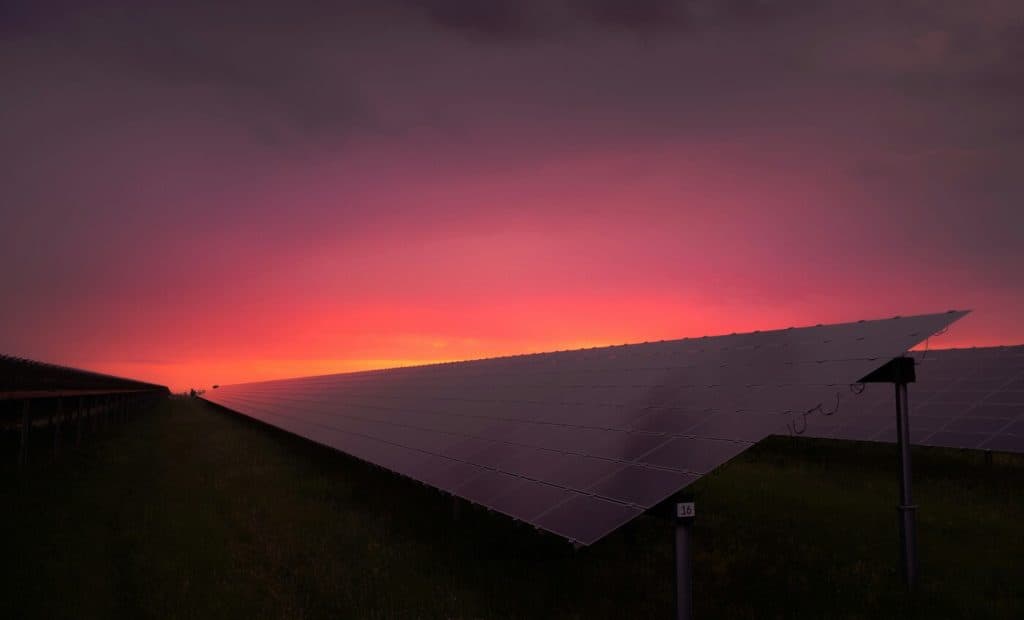
Only optimally designed new hydropower projects will be able to keep pace with increasingly affordable “new” renewable energy sources such as wind and solar power.
“Hydropower faces a number of challenges,” explained Xabier Viteri, CEO of Spanish giant Iberdrola Renewables. The biggest challenge, he said, is the lack of a business case, Euractiv writes.
In most cases, generating electricity from water is more expensive than generating it from other renewable sources. Hydropower operators argue, however, that this cost comparison does not take into account the additional costs of balancing the output of wind and solar photovoltaic plants, given that their generation cannot be controlled. Hydropower plants, by contrast, make a significant contribution to balancing the electricity system.
The sector’s main demands are therefore financial support for hydropower projects and a market environment that rewards the sector’s contribution to grid stability.
The sector also faces regulatory barriers—for example, the lengthy time needed to assess the environmental impact of new dams and drawn-out permitting processes, Viteri noted.
Another argument is the amount of electricity generated. Hydropower produces up to 12% of the EU’s electricity and is its second-largest renewable energy source, having recently been overtaken by wind power.
“Thanks to their flexibility and large storage capacity, hydropower plants are a key source of renewable electricity in the EU,” confirmed Energy Commissioner Kadri Simson.
The European Commission, however, currently has little appetite for supporting these energy sources. One possible reason is that the scope for developing hydropower generation is gradually shrinking.
Eurelectric, the EU’s electricity industry association, estimates, however, that expanding existing reservoirs could increase Europe’s pumped-storage hydropower capacity by 80%, for example.
This would also increase the EU’s capacity to store surplus energy over the long term, an increasingly pressing need given the growing share of intermittent wind and solar power in the electricity system.
Nature conservation
The other side of the coin is hydropower plants located directly on rivers.
In countries such as Romania, 545 small hydropower plants generate around 3% of the country’s electricity, but they risk wiping out several fish species, according to a report by the Leibniz Institute of Freshwater Ecology and Inland Fisheries
As a result, WWF and other conservation groups have clashed with the Commission over how much room should be given to hydropower developers.
“The potential for hydropower growth in Europe is limited, apart from the expansion of pumped-storage hydropower and small hydropower plants,” the Commission said in February. It added that environmental impacts are “usually unavoidable”.
Another issue is the increasingly frequent periods of drought, which could potentially limit electricity generation from hydropower.
Translation disclaimer
This article is a machine translation of the Czech original and has not yet been fully reviewed. In case of any doubt, please refer to the Czech version.
Sdílejte článek prostřednictvím:
You might also like
4 November 2026, 12:34

4 November 2026, 09:09