Biden's solar plan: 12.5 million hectares for clean energy in the western US

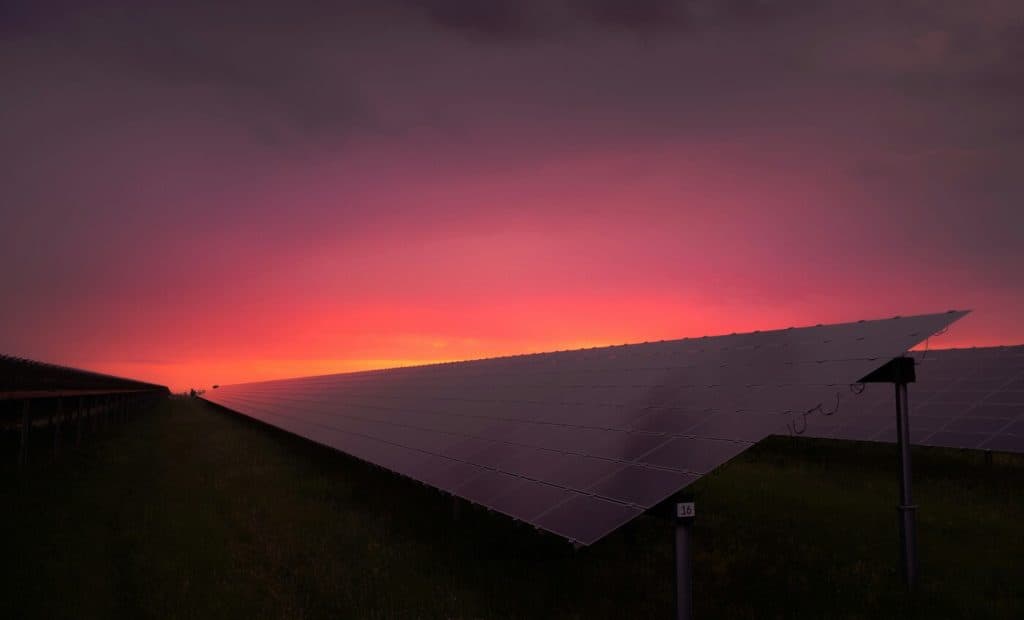
The Biden administration is laying the groundwork for the development of new solar power plants. Under the so-called "Western Solar Plan," it has proposed using 12.5 million hectares of public land across eleven western US states. While the solar industry welcomes the move, conservationists warn against such an enormous impact on the landscape.
The Western Solar Plan updates a plan from the Obama administration, expanding both the area covered and the number of states affected. In the traditional Anglo-American system of measurement, that amounts to 31 million acres—roughly the size of Greece. The new plan covers eleven federal states. The original states of Arizona, California, Colorado, Nevada, New Mexico and Utah have been joined by Idaho, Montana, Oregon, Washington and Wyoming.

The plan is being prepared primarily by the US Department of the Interior, which oversees the Bureau of Land Management. It is therefore a clear continuation of the Biden administration’s previous efforts, including its strong push for a commitment to a fully decarbonized electricity grid by 2035.
One of the supporting programs is Investing in America, which aims to move the country to clean energy, lower energy costs for consumers, create well-paying jobs, tackle the climate crisis, and advance priorities in clean air and environmental justice.
The solar plan’s specific goal is to streamline the permitting process for solar power plants. It is also intended to prevent conflicts and strike the right balance between clean energy development and environmental protection. However, opponents have objected to the latter, arguing that the plan would cause undue disruption to wildlife habitats.
“We are deeply disappointed that the Bureau of Land Management is putting energy developers ahead of wildlife and protected public lands,”said Randi Spivak, public lands policy director at the Center for Biological Diversity.
Projects will need further approval
It should be noted that the plan is not the final word on solar development. According to the US Bureau of Land Management, proposed projects will still undergo further environmental reviews at individual sites and be subject to public comment. Supporters of the plan therefore highlight its flexibility.
“The climate crisis is right at our doorstep, and we need to move to a clean energy economy urgently—we needed it yesterday. Fortunately, our nation’s public lands offer some of the best solar resources we have,” said Justin Meuse, director of The Wilderness Society, stressing the need to move ahead.
The Western Solar Plan thus stands at the crossroads between the urgent need to address the climate crisis and the commitment to protect the natural heritage of the United States. As this ambitious project moves forward, it will be vital to take into account the voices of both clean energy advocates and conservationists. Future decisions on developing these projects will show whether it is possible to balance a rapid transition to renewable energy with responsible environmental stewardship that protects the unique ecosystems of the American West.
Translation disclaimer
This article is a machine translation of the Czech original and has not yet been fully reviewed. In case of any doubt, please refer to the Czech version.




