23 October 2026, 14:38
Loading...
Curtailment of renewable generation in China worries investors. Solar set to rise further

Jan Budín
14 November 2025, 11:19
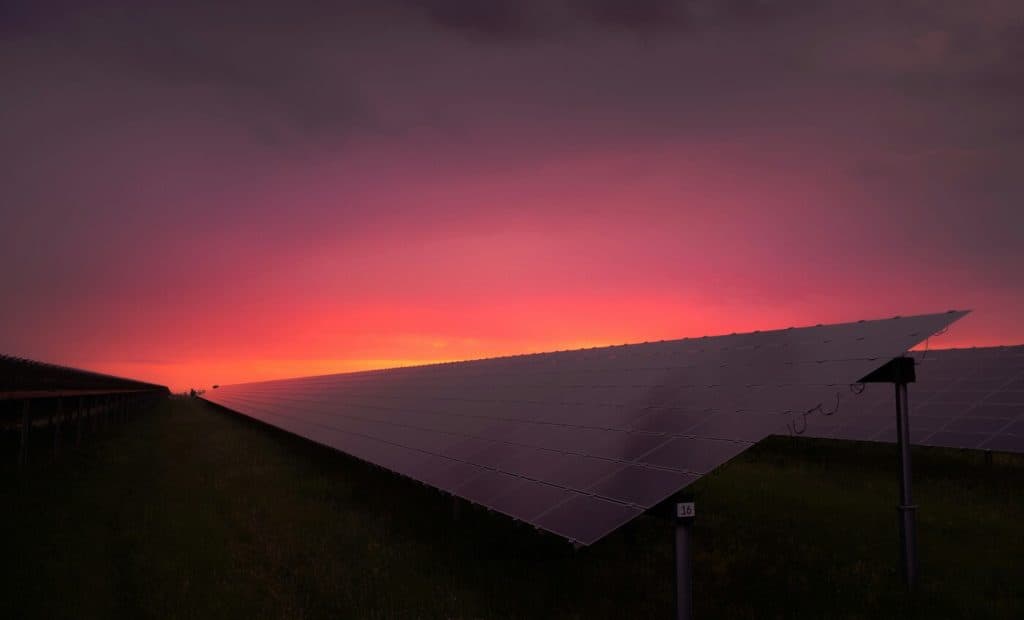
China is struggling to align the development of its transmission grid and electricity storage with the expansion of renewable energy sources, leading to a growing share of curtailed electricity generation from these sources. According to consultancy Wood Mackenzie, the expected deterioration over the next 10 years will pose a significant risk to investors. Reuters reported.
Consultancy Wood Mackenzie expects the average share of curtailed electricity generation from solar power plants to exceed 5 % over the next 10 years in 21 of China’s 22 provinces. This would mark an increase from the current 10 provinces facing such a high share of curtailed solar generation.
The outlook is slightly more favourable for wind farms, with Wood Mackenzie expecting curtailed generation to exceed 5 % over the coming decade in seven provinces. However, 14 Chinese provinces recorded a share above 5 % in the first eight months of this year.
"Provinces with higher curtailment rates will find it difficult to attract investors due to the newly introduced pricing mechanism, which introduces regional auctions instead of guaranteed returns," said Sharon Feng, senior analyst for China’s power market at Wood Mackenzie.
China currently has a national limit of 10 % for maximum curtailment of renewable electricity generation. This level has applied since last year, when it was raised from the original 5 % due to the worsening situation regarding the use of electricity generated by these sources.
Large differences between provinces
It should be added that national average figures distort the situation, as they mask the significantly sharper increase in renewable generation curtailment in some provinces with a high concentration of renewable sources. For example, 30.2 % of wind generation was curtailed in Tibet in the first half of this year, compared with only 2.3 % in the same period last year. The situation was similar for solar power plants, with the share of curtailed generation rising from 5.1 % to 33.9 %.
A large amount of solar generation was also curtailed in Qinghai province, at 15.2 %. By comparison, the figure was just under 9 % last year. Conversely, provinces with high electricity consumption reported very low shares of curtailed solar and wind generation, and the metropolises of Shanghai and Chongqing, for example, did not have to curtail renewables at all. The same was true of Fujian province.
Germany faces a similar problem
China is seeking to address the problem, for example by building new transmission lines to carry electricity from large wind and solar power plants in the west of the country to major cities with high electricity demand in the east.
Germany, one of Europe’s pioneers in renewable energy development, is also facing a similar problem. Last year, it curtailed around 3.5 % of total electricity generation from renewable sources due to bottlenecks in the power system.
Translation disclaimer
This article is a machine translation of the Czech original and has not yet been fully reviewed. In case of any doubt, please refer to the Czech version.
Sdílejte článek prostřednictvím:
You might also like
23 October 2026, 11:01
23 October 2026, 06:34