23 October 2026, 14:38
Loading...
Czech companies can buy green electricity from abroad. Rezolv Energy has already sold its first 100 GWh
oEnergetice.cz
5 September 2024, 14:40

T-Mobile Czech Republic, Slovak Telekom and CE Colo have signed cross-border virtual power purchase agreements with Rezolv Energy.
- Deutsche Telekom will purchase 100 GWh of clean energy annually for 12 years.
- The first cross-border agreements signed by Czech and Slovak companies will enable the construction of one of Europe’s largest wind farms.
T-Mobile Czech Republic, Slovak Telekom and CE Colo Czech Republic, which are part of the Deutsche Telekom Group, have signed cross-border virtual power purchase agreements (VPPAs) with Prague-based renewable energy producer Rezolv Energy. The electricity will come from the 461 MW “VIFOR” wind farm being built by Rezolv and Low Carbon in Romania, with these VPPAs enabling construction of the project’s first phase. A further 700 GWh annually will be available to corporate buyers in the second phase.
The three companies will purchase 100 GWh of clean energy annually for 12 years. T-Mobile Czech Republic has secured 50 GWh per year, Slovak Telekom 40 GWh per year and CE Colo Czech Republic 10 GWh per year.
A significant milestone for renewable energy
In Central and South-Eastern Europe, VPPAs represent a significant step forward. The overwhelming majority of PPAs to date have been physical agreements, requiring the buyer and generator to be in the same or neighbouring country with interconnected grids. By contrast, a VPPA is a financial agreement under which the buyer receives certificates verifying that the energy supplied to the gridcomes from a specific renewable source.
About the VIFOR wind farm
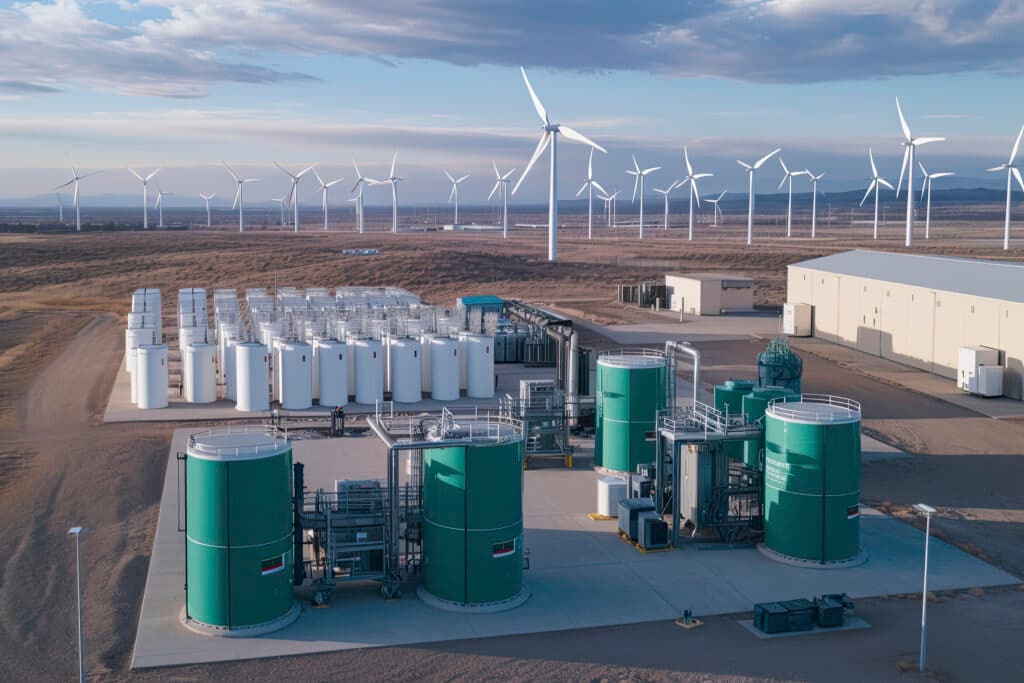
Once operational, VIFOR will be one of Europe’s largest onshore wind farms, covering an area of 2 869 hectares in eastern Romania. Thanks to its proximity to the Carpathians and exceptional weather conditions, the project will generate enough clean energy for more than 270 000 households and avoid approximately 540 000 tonnes of CO2 emissions annually. In Phase 1, Rezolv Energy will install 192 MW of capacity, with Phase 2 planned to expand this to 461 MW. Construction will be completed within 18 months, and VIFOR will be commissioned before the end of 2025.
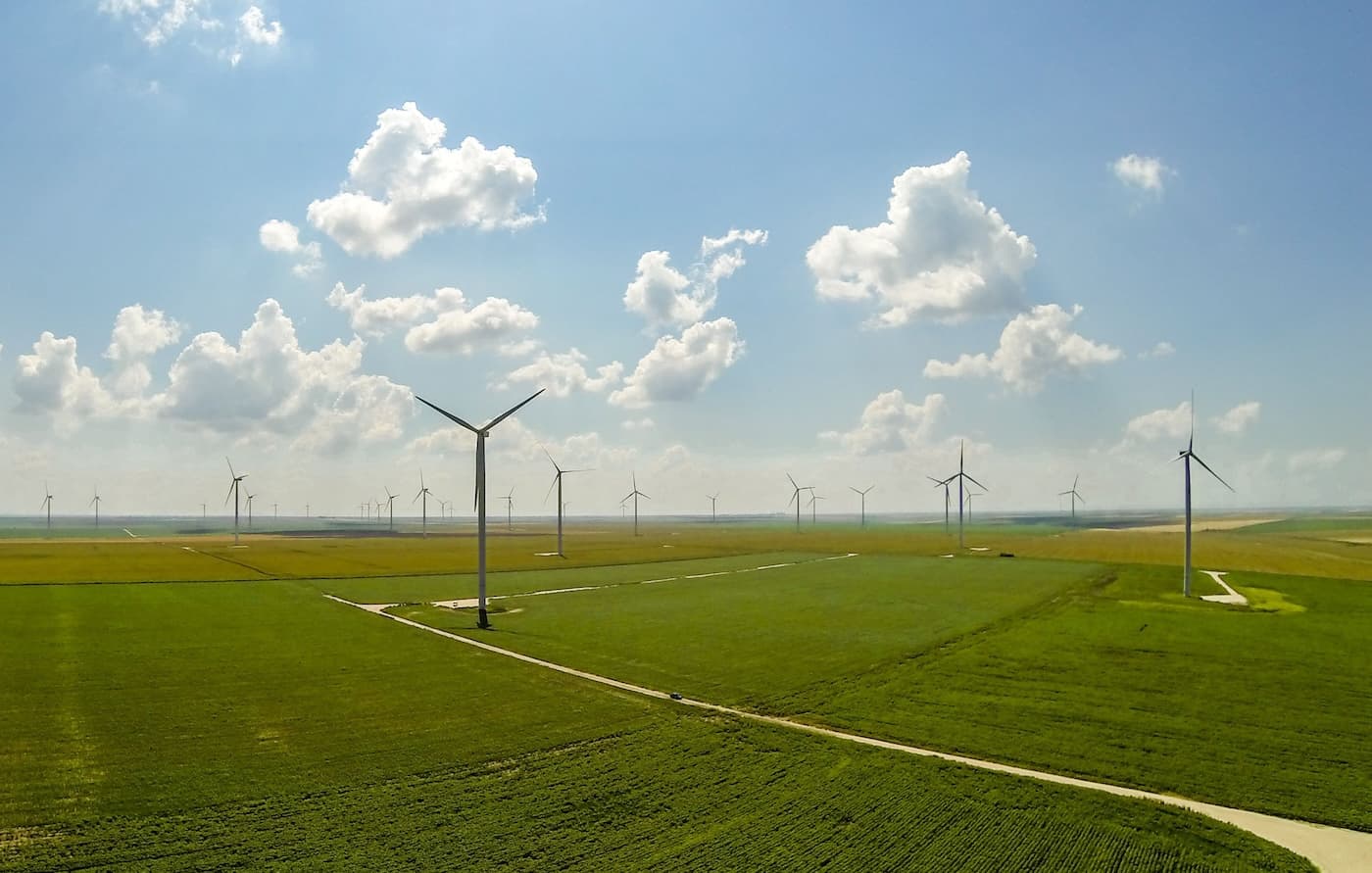
Source: Rezolv Energy
In a region historically dependent on fossil fuels for most of its energy needs, replacing fossil-fuel generation with renewable energy delivers the greatest possible emissions reductions. The project will therefore play a key role in the region’s energy transition and help Romania meet its climate targets. The project also meets the highest international sustainability standards.
Pavel Hadrbolec, chief financial officer of T-Mobile Czech Republic and Slovak Telekom, said: “As a leader in the use of renewable energy, this project represents another tangible step on our path towards decarbonisation. The agreement also provides us with meaningful risk diversification in our energy procurement strategy and hedges energy prices.”
Alastair Hammond, CEO of Rezolv Energy, said: “The first cross-border virtual PPAs concluded by Czech and Slovak companies can serve as a signal to other businesses. Companies do not need to wait for new renewable energy capacity in their domestic market. These agreements will enable us to deliver the first phase of the project, while the second phase will make a further 700 GWh annually available. We are therefore already ready to meet substantial corporate demand for green electricity.”
Rezolv Energy was founded 18 months ago by Actis, a leading global investor in sustainable infrastructure, and is already developing more than 2 GW of clean energy in South-Eastern Europe. In addition to the VIFOR wind farm, its other projects include the Dama Solar project in western Romania, which at 1 044 MW will be Europe’s largest solar power plant; the 600 MW Dunarea East & West wind farms in Constanța, Romania; and the 229 MW St. George solar project in north-eastern Bulgaria.
Translation disclaimer
This article is a machine translation of the Czech original and has not yet been fully reviewed. In case of any doubt, please refer to the Czech version.
Sdílejte článek prostřednictvím:
You might also like
23 October 2026, 11:01

23 October 2026, 06:34