
23 October 2026, 14:38
Loading...
Czech Senate opposes new conditions for solar power plant inspections

oEnergetice.cz, ČTK
29 January 2025, 13:06
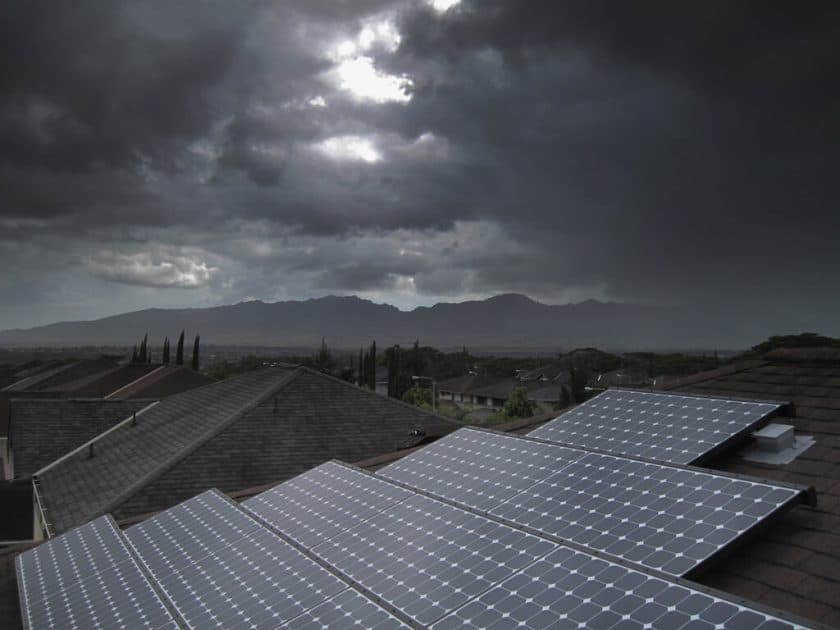
The Senate opposed new conditions for individual inspections of some solar power plants. Today, it also rejected restrictions on municipal building regulations as part of an amendment to the Energy Act, nicknamed Lex OZE III. The amendment will therefore have to be reconsidered by the Chamber of Deputies, which added both controversial provisions to the government bill, whose main aim was to introduce rules for electricity storage and aggregation.
Senators recommended scrapping individual assessments of the profitability of solar power plants with a capacity of more than 30 kilowatts that were commissioned in 2009 and 2010. Miloš Vystrčil and Zdeněk Nytra (both ODS) failed to pass a proposal to limit inspections to power plants with revenues above 145 kilowatts, which would affect only around 500 operators instead of 3,000.
According to MPs, the measure should help the state reduce support for renewable energy from the state budget this year. Critics say it changes the rules mid-game, creates an administrative burden for power plant operators, could lead to arbitration and jeopardise the fulfilment of the Czech Republic’s climate commitments. According to Miroslav Plevný (STAN), the new inspections represent „a restrictive and arbitrary intervention in the business environment“ and would violate EU regulations. „We are defending the stability and predictability of the business environment,“ Plevný added.
Following the Chamber of Deputies’ changes, the amendment would, according to the Senate, remove the option of setting land-use requirements for the siting of buildings and infrastructure, which currently applies to Prague, Brno and Ostrava, all of which have adopted municipal building regulations. The legislation would prevent cities from setting requirements, for example, for the construction of underground utility networks, public lighting and overhead power lines, or for tree planting. At the proposal of four senators from ODS, STAN and ANO, the Senate therefore unanimously recommended scrapping the restrictions.
As it did last year, the state plans to allocate CZK 8.5 billion to renewable energy this year. The Ministry of Industry and Trade (MPO) had originally budgeted CZK 31.2 billion for 2025 under the existing rules. Prime Minister Petr Fiala (ODS) said last year that if the support could not be cut, the state would make up the difference this year.
Finance Minister Zbyněk Stanjura (ODS) pushed through the change to inspections of solar power plants. He is not concerned about possible arbitration, saying all the measures comply with both European legislation and Czech law. According to Stanjura, stricter inspections are intended to prevent operators of some solar power plants from receiving more support than they are entitled to. Industry and Trade Minister Lukáš Vlček (STAN) told senators that the Finance Ministry’s efforts were legitimate.
The legislation would extend eligibility for support until the end of 2029 for electricity sources using high-efficiency combined heat and power generation with a total installed capacity of more than five MWe. This applies to facilities commissioned by 31 December 2012.
The amendment is intended to provide customers with an independent electricity price comparison tool and other consumer protection measures. The tool will allow users to compare electricity and gas supply offers and will be managed by the Energy Regulatory Office (ERÚ). According to the government, introducing rules for electricity storage and aggregation will strengthen the resilience of the system during operational fluctuations, support the integration of renewable energy sources into the system and encourage investment.
Consideration of the amendment was the final item on the Senate’s January agenda. The Senate will meet again in just under a month.
Translation disclaimer
This article is a machine translation of the Czech original and has not yet been fully reviewed. In case of any doubt, please refer to the Czech version.
Sdílejte článek prostřednictvím:
You might also like


23 October 2026, 11:01


23 October 2026, 06:34