First EU cross-border renewables financing tender was oversubscribed. It will deliver 400 MW of solar capacity

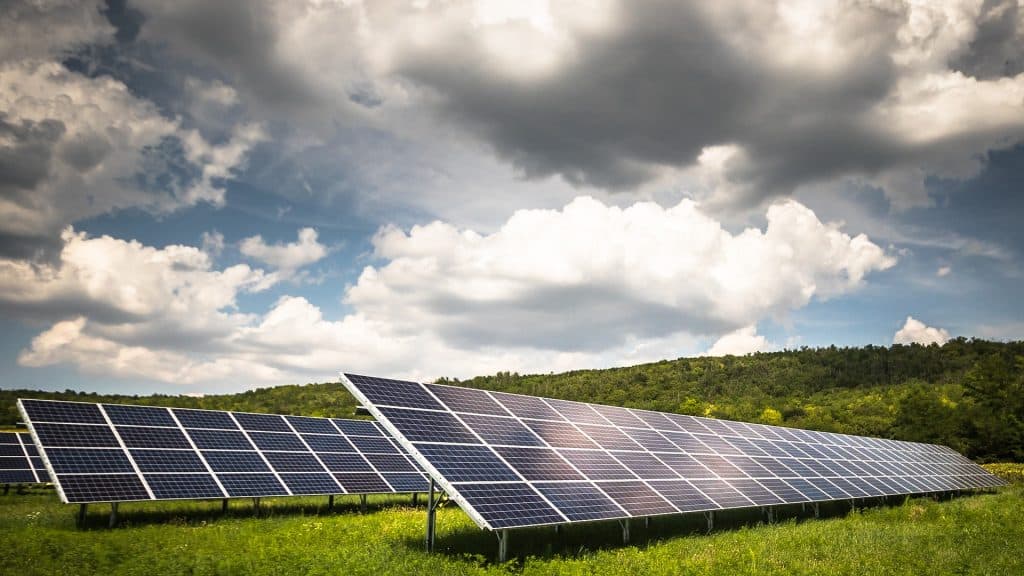
There was considerable interest in the first tender held under the EU Renewable Energy Financing Mechanism. Projects for solar power plants in Finland with a total installed capacity of 400 MW ultimately won support, matching the maximum capacity sought. The total capacity offered in the tender was 516 MW. Luxembourg will provide the funding for the investment support awarded.
As the European Commission said on its website, the tender was open to projects for the construction of solar power plants with an installed capacity of between 5 MW and 100 MW located in Finland. Luxembourg provided €40 million in funding for the tender.
According to the European Commission, the next steps are to evaluate the tender and then sign the agreement awarding support. The projects will then have to be completed within two years of the agreement being signed.
Linking countries with suitable conditions to those willing to finance projects
The EU Renewable Energy Financing Mechanism was introduced at the end of 2020, and its implementation is still under way. According to the European Commission, its aim is to promote the more cost-effective development of renewable energy across the EU, particularly in areas with better access to natural resources or more suitable geographical conditions.
"[The mechanism] brings together countries that voluntarily contribute to the mechanism (contributing countries) and countries that agree to host new projects on their territory (host countries). However, there is no direct link or negotiation between contributing and host countries, as there is under other EU cooperation mechanisms," the Commission explains.
According to the Commission, the mechanism benefits both contributing and host countries. Contributing countries "can finance renewable energy projects elsewhere, where they may be more cost-effective than renewable energy produced in their own territory." This can, for example, give landlocked countries the opportunity to benefit from offshore wind farm projects.
The main benefit for a contributing country, however, is likely that these projects can help it meet its targets for increasing the share of renewable energy in gross final consumption.
Host countries, in turn, can attract additional local investment in renewable energy projects without burdening their own budgets. They can also support employment, improve air quality and reduce the country's dependence on imported energy commodities.
In addition to EU member states, private investors can also provide funding under the mechanism, receiving guarantees of origin for electricity from renewable energy sources in return.
Translation disclaimer
This article is a machine translation of the Czech original and has not yet been fully reviewed. In case of any doubt, please refer to the Czech version.