Germany added record renewable capacity last year, but the pace must accelerate further

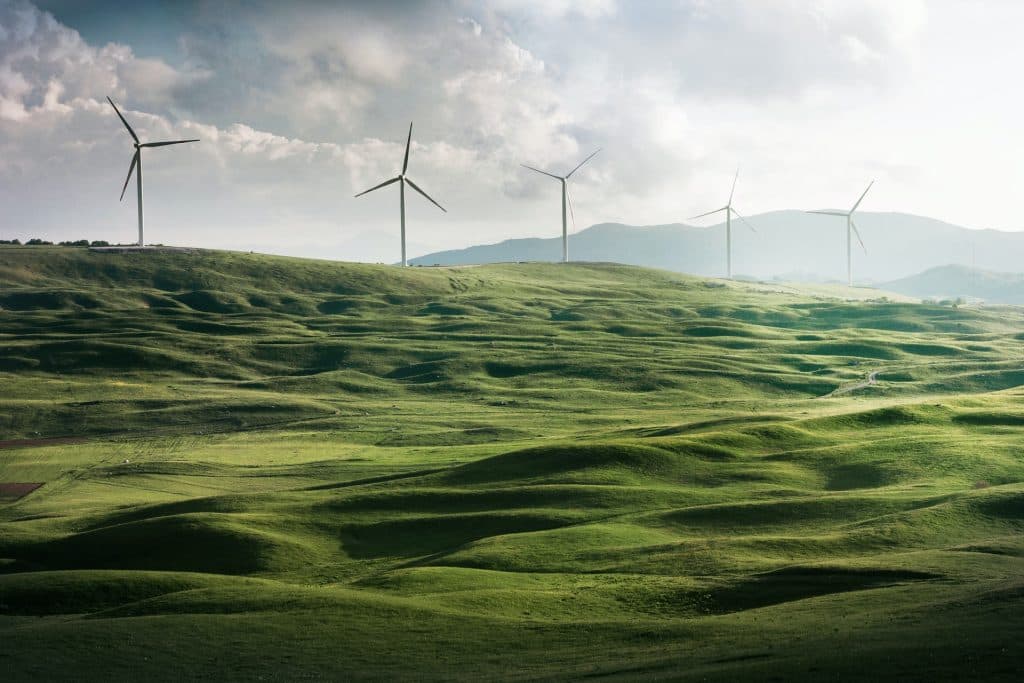
Renewables continued to expand rapidly in Germany last year, reaching a new record. According to data from the country’s regulator, total installed capacity rose year on year to 170 GW, mainly thanks to new solar PV and wind farms. However, if Germany is to meet its 2030 targets, it will have to accelerate the pace of growth further.
Last year was a record for Germany not only in terms of the share of renewables in electricity generation. It was also the strongest year yet for the total year-on-year increase in installed capacity, which reached 17 GW. This figure is net of the capacity of plants that were decommissioned last year, according to Germany’s grid regulator, Bundesnetzagentur.
Solar PV had a particularly strong year in Germany, with installed capacity increasing by 14.1 GW, almost twice as much as the year before. As usual, the most solar capacity was installed in Bavaria (3.5 GW), bringing the country’s total installed capacity to 81.7 GW. Balcony solar systems also boomed last year, with the regulator recording around 260,000—three times the number in 2022. Their 0.2 GW accounted for roughly 1.5% of last year’s total increase in installed capacity.
Although capacity additions doubled last year, Germany will have to step up its efforts in the coming years. To reach the 215 GW target by 2030, the regulator says, it will need to install an average of 19 GW per year.
“We have made significant progress, particularly in expanding solar PV systems. Capacity additions almost doubled compared with the previous year. These investments are driving the energy transition—in 2023, Germany generated more than half of its electricity from renewables for the first time,” said Klaus Müller, president of Germany’s grid regulator.
Wind power needs to double its pace
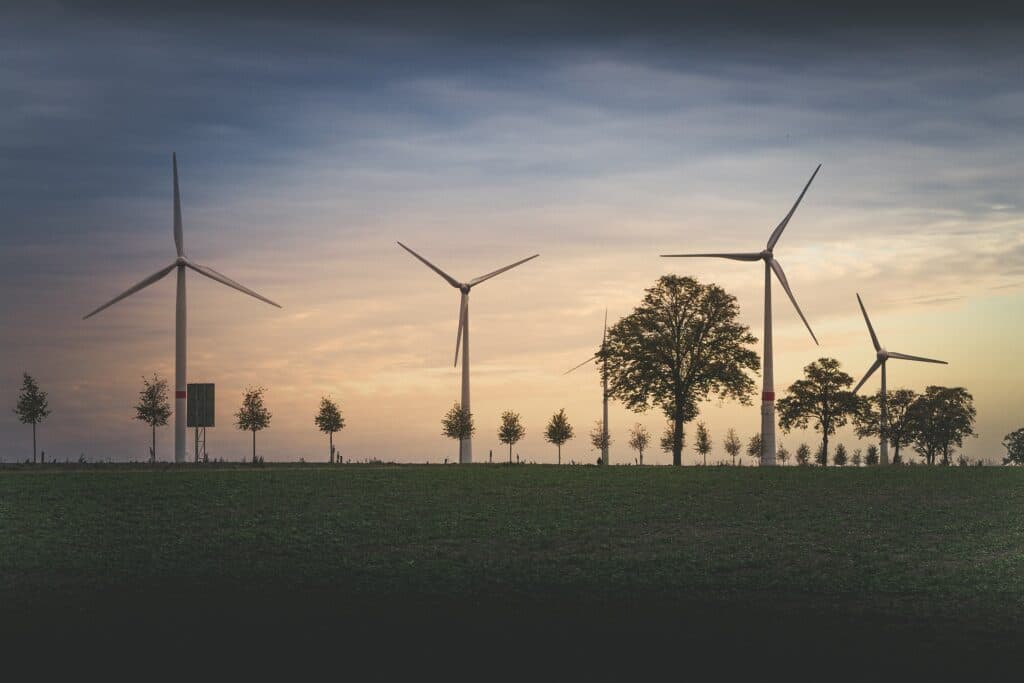
With last year’s 2.9 GW increase in installed capacity, Germany improved on 2022. However, the figure remains below the additions recorded from 2014 to 2017, when they exceeded 4 GW. Germany’s total installed onshore wind capacity reached 60.9 GW last year.
The largest amount of capacity was commissioned in Schleswig-Holstein (1.1 GW), while Bavaria and Baden-Württemberg in the south of the country added just 80 MW. However, the total volume of permits issued rose by 80% last year, according to the regulator.
“We are not yet where we want to be in onshore wind. However, I am optimistic because substantially more permits were issued in 2023. This will pay off in rising capacity additions,” Müller added.
Last year was not particularly strong for the offshore wind sector, with one smaller wind farm with a capacity of 300 MW entering operation. Germany therefore had almost the same installed offshore capacity as in 2022, at around 8.5 GW. Germany aims to increase its total installed offshore capacity to 30 GW by 2030.
Translation disclaimer
This article is a machine translation of the Czech original and has not yet been fully reviewed. In case of any doubt, please refer to the Czech version.