Germany: Uncontrolled feed-in from small solar installations threatens grid stability, ‘brownouts’ loom

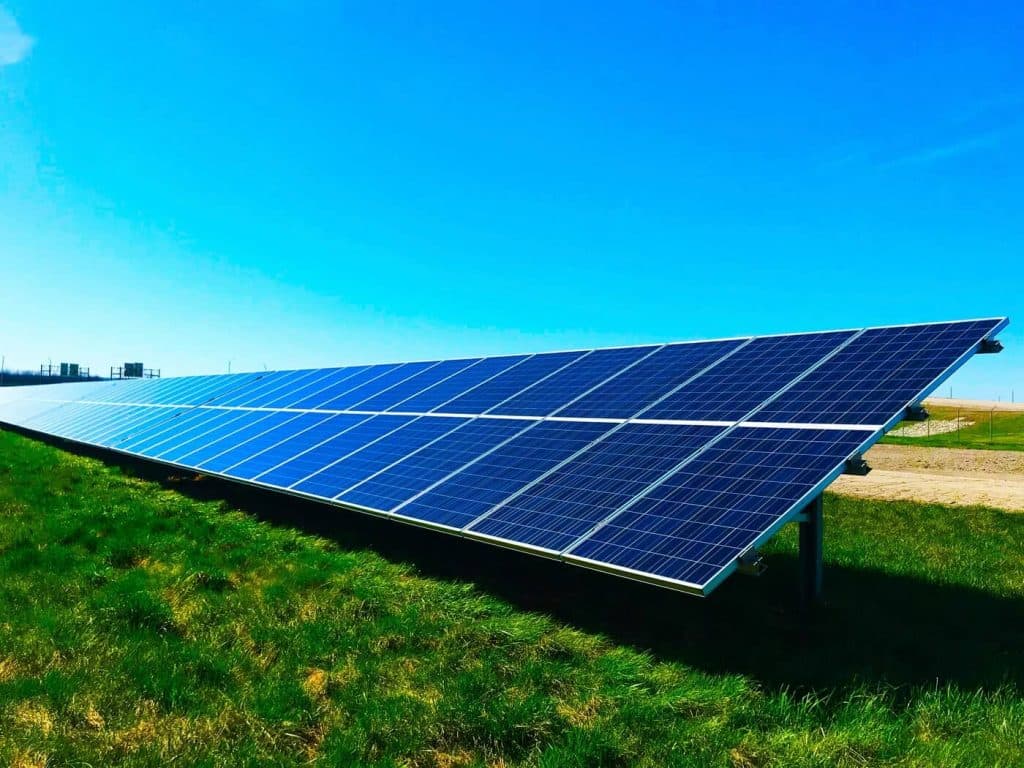
Uncontrolled electricity feed-in from small solar power plants threatens the stability of Germany’s electricity grid. TenneT, one of the country’s transmission system operators, is therefore pressing the outgoing government, together with the German Association of Energy and Water Industries (BDEW), to push through the necessary legislative changes before the February elections. Clean Energy Wire reported.
Germany added 17 GW of new solar capacity last year, bringing its total installed capacity from these sources to the milestone of 100 GW. Residential rooftop photovoltaics accounted for the largest share of this growth, adding 6.7 GW, although the sector recorded a 15% year-on-year decline. By contrast, ground-mounted installations saw strong growth, rising by 40% to 6.3 GW. Newly installed capacity on the rooftops of commercial buildings also increased, by a quarter year on year to 3.6 GW. Several hundred more MW of capacity were added in balcony systems, whose total installed capacity doubled year on year to 0.7 GW.
In November, the BDEW described the continued rapid expansion of these sources as encouraging, but warned that the rapid growth of smaller installations could lead to increasing challenges in managing the electricity grid.
“Around half of the new capacity comes from sources below 100 kW. Under the current legislation, these sources can feed electricity into the grid virtually without control, which is now becoming problematic during hours when more electricity is fed into the grid than it can absorb,” said Kerstin Andreae, chair of the BDEW.
According to the BDEW, the situations described above are expected particularly on sunny Sundays in spring and summer this year. The association says that even “perfect grid expansion” would not solve the problem.
Legislative changes aim to address the risk of ‘brownouts’
In response to the situation, lawmakers are expected to consider a bill this week that would make it possible to control output from smaller sources as well. The aim is for parliament to pass the new law before a new government takes office.
“To ensure the efficient and cost-effective integration of a growing share of renewable sources into our energy system, the proposed legislation to limit peak feed-in must be implemented before the end of this legislative term,” said TenneT CEO Tim Meyerjürgens.
The head of the BDEW added that without the ability to control solar power generation in critical situations, there is a risk that selected sections of power lines may need to be temporarily disconnected to ensure grid stability. This, she said, would result in so-called brownouts.
Negative electricity prices could slow further growth
As installed photovoltaic capacity grows, zero or negative electricity prices are also becoming increasingly common in European markets. A higher frequency of hours when electricity is effectively worthless on short-term markets could complicate the further development of solar power plants.
Negative or zero prices undermine the returns of projects that do not have guaranteed sales prices through operating support or so-called PPA contracts, which could make financing more difficult given banks’ cautious approach.
Translation disclaimer
This article is a machine translation of the Czech original and has not yet been fully reviewed. In case of any doubt, please refer to the Czech version.




