
23 October 2026, 14:38
Loading...
Hydropower faces challenges linked to climate change, scientists warn

Lukáš Lepič
28 August 2024, 15:19
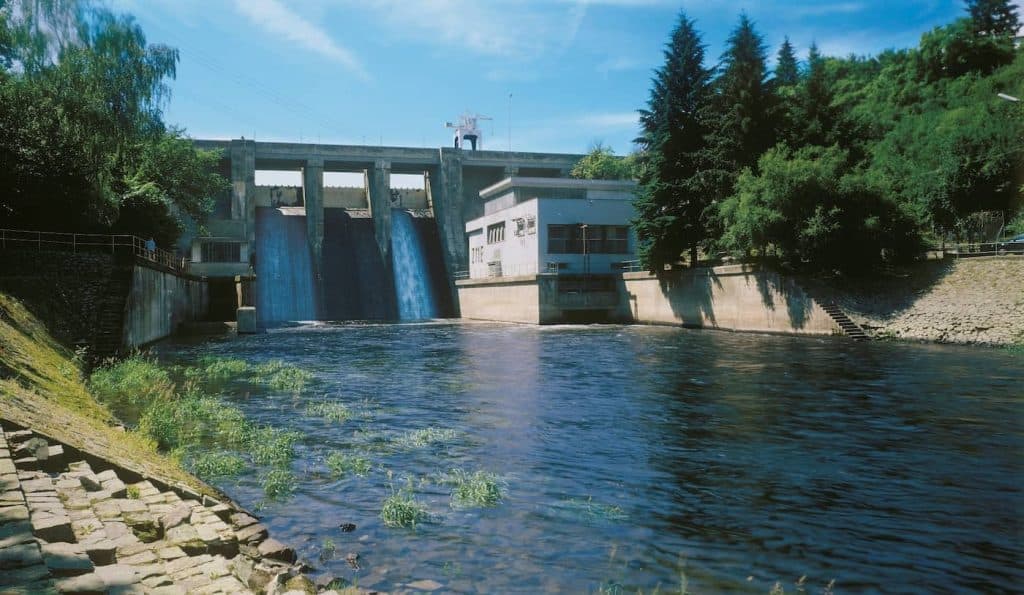
Hydropower is the world’s largest source of renewable energy, with more than 1400 GW of installed capacity and annual generation of over 4000 TWh. Its importance is expected to grow further, particularly as a means of energy storage for grid balancing. Climate change, however, brings new challenges that could affect the reliability and efficiency of this key energy source. Scientists from Pacific Northwest National Laboratory have analysed the impacts of global warming on hydropower and warn that extreme weather events and changing precipitation patterns could threaten the stability of energy supplies.
Hydropower is the world’s largest source of renewable energy. In 2022, more than 1400 GW of hydropower capacity had been installed worldwide, with hydropower plants generating more than 4000 TWh of electricity annually in recent years. According to projections from the International Energy Agency (IEA) and the International Hydropower Association, both installed capacity and electricity generation are set to continue growing. As wind and solar power expand, hydropower plants are also expected to play a greater role as energy storage and a flexible resource for grid balancing.
Alongside these growth projections, climate change and rising global temperatures are also expected to affect hydropower operations. Although hydropower is considered a reliable source, climate variability brings new challenges for operations and generation management, particularly because changing seasonal weather patterns make accurate forecasting more difficult.
Researchers from the US-based Pacific Northwest National Laboratory (PNNL) have added new insights to the debate about hydropower’s future. They analysed data from more than 1400 hydropower plants and compared it with climate models to examine how global warming could affect river flows and water volumes. The study found that increased seasonal precipitation could slightly boost hydropower generation in the coming years. On the other hand, the researchers warn that climate change and extreme weather events could wipe out these potential gains, because enough water may not be available at the right time.
“We know that the climate is changing, and we know that this will affect how much water is available for hydropower generation,”said Daniel Broman, a hydroclimatologist at PNNL and the study’s lead author.
This climate change could dramatically alter water availability. That is crucial for hydropower, which not only supplies electricity but also helps balance the grid, protect against floods and manage water resources.
Scientists illustrate the challenges using US hydropower
The study’s authors illustrate the challenges that climate change poses for hydropower through the example of water resource use in the northwestern US states. Hydropower is essential to the region’s energy system: in the Pacific Northwest, it provides up to 60% of local electricity generation. The Cascade Range supplies abundant water from melting snow, making hydropower a stable and predictable source. However, higher temperatures in winter and spring will cause the snowpack to melt earlier, affecting the amount of water available for power generation in the summer and autumn months.
In 2023, when temperatures in the winter months were above the average for previous years, the US states of Oregon and Washington recorded a 20% drop in hydropower generation compared with 2021. This was the largest decline in two decades and illustrates how vulnerable this energy source can be to climate change.
“Higher temperatures mean that water will melt earlier instead of being stored as snow,” explains Nathalie Voisin, PNNL’s lead regional researcher on hydropower dynamics.
Increased precipitation during winter and spring may boost hydropower generation in spring, but it also risks leaving less water available in the summer months, when solar power generation rises significantly. Energy demand is highly peaky then because of air-conditioning use during hot spells, while heat also raises the risk of outages at conventional power plants that use water from reservoirs or rivers for cooling.
Translation disclaimer
This article is a machine translation of the Czech original and has not yet been fully reviewed. In case of any doubt, please refer to the Czech version.
Sdílejte článek prostřednictvím:
You might also like


23 October 2026, 11:01


23 October 2026, 06:34