
25 October 2026, 08:20
Loading...
Minister: We will import e-fuels from outside the EU, but they will be made from EU CO2
Klára Čeperová
8 June 2024, 10:51
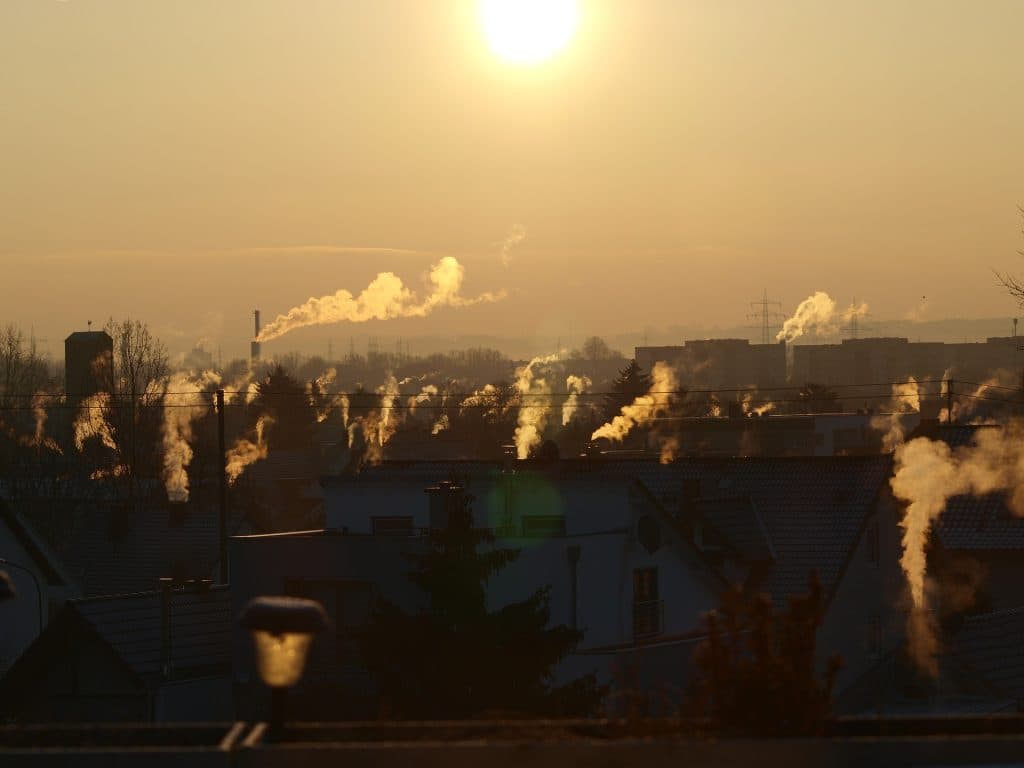
While most e-fuels are expected to be produced outside Europe, where renewable energy will be available on a larger scale, EU rules on the CO2 used in e-fuels could lead producers to physically transport liquefied carbon dioxide from Europe to production plants outside the EU. This was pointed out by German Transport Minister Volker Wissing (FDP/Renew).
Hydrogen-based synthetic fuels, known as e-fuels, play a key role in the EU’s plans to decarbonise transport. In aviation and maritime transport, the EU has set minimum quotas for “renewable fuels of non-biological origin” (RFNBOs) from 2030 and 2034, respectively, including hydrogen and e-fuels.
E-fuels are produced from hydrogen and carbon dioxide sourced either from the atmosphere or from industrial plants, and are suitable for internal combustion engines or aircraft engines.
EU rules
EU rules on the sources of electricity and CO2 used to produce “renewable” e-fuels, such as synthetic kerosene, are set out in two sets of implementing regulations, known as delegated acts.
The Commission says that only emissions subject to carbon pricing should be included, as the aim was “primarily to incentivise reductions in emissions from unsustainable fuels”.
“The European Union will not be able to meet its demand for e-fuels on its own. We need partners outside the EU, and therefore standardised rules,”Volker Wissing said, according to Euractiv.
Investment in e-fuel production plants has not yet taken place on a large scale, however, and according to Wissing, “we cannot expect blending mandates alone to solve the problem”. A January 2024 analysis also showed that none of the 25 planned industrial e-kerosene production plants in Europe had yet reached a final investment decision.
Where to get CO2?
Thorsten Herdan, CEO of e-fuel producer HIF EMEA, told Euractiv that for several planned projects in Morocco, “we are currently looking into where we could source CO2”. Herdan said that “one of the most promising options is indeed to capture it in Spain, then transport it to Morocco and combine it with hydrogen there”. According to Herdan, it would make sense to capture the CO2 in Spain.
Using CO2 captured from a Spanish cement plant covered by the ETS would therefore allow the e-fuel to be considered “renewable” in the EU.
“CO2 is transported from one country to another to meet regulatory requirements,” Wissing told journalists after meeting e-fuel experts and his counterparts from Lithuania and Morocco at an international e-fuels conference earlier this week.
Translation disclaimer
This article is a machine translation of the Czech original and has not yet been fully reviewed. In case of any doubt, please refer to the Czech version.
Sdílejte článek prostřednictvím:
You might also like

23 October 2026, 14:38