
23 October 2026, 14:38
Loading...
The potential for photovoltaic generation in Czechia and worldwide (part 2)
Vladimír Wagner
25 January 2018, 18:51
This is the second part of an article on the potential for photovoltaic generation worldwide and in Czechia. The first part can be found here.
Characteristics of photovoltaic plants – their advantages and challenges
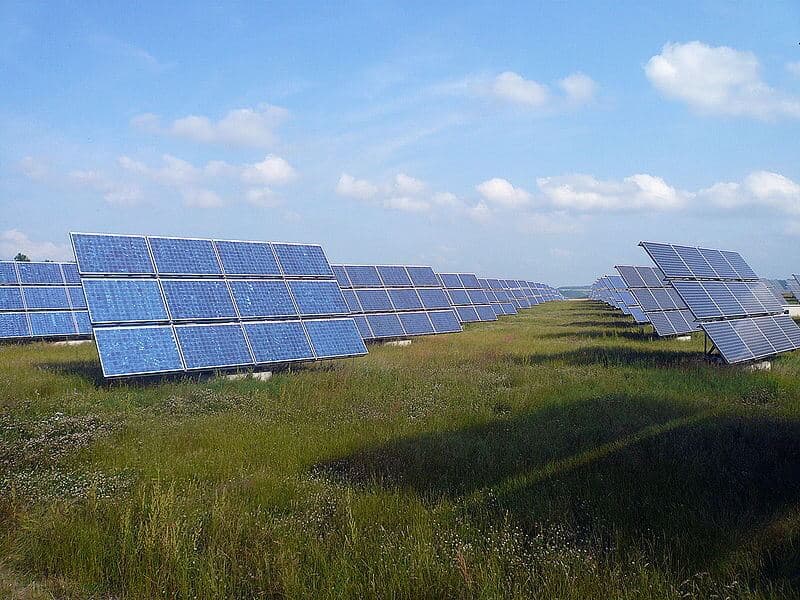
A major advantage of photovoltaic sources is that they can be built at virtually any scale, from small decentralised installations on the roofs of individual buildings to large photovoltaic farms with capacities of hundreds of megawatts. Even these can be installed gradually, reducing both upfront costs and investor risk. As mentioned, conventional silicon cells are currently dominant, with overall efficiency of roughly 14 to 22 %. The annual capacity factor of a photovoltaic source depends strongly on the specific conditions of a given region and on the design of the plant, ranging between 10 and 35 % (the upper limit applies to truly ideal conditions and design). Over time, cells degrade and panel output declines. However, for currently used models this is only around 0.5 %/year.
There are fixed systems, which should be oriented in the most suitable direction so that the sun's rays strike them as perpendicularly as possible for the longest suitable part of the day. However, where there are a larger number of installations, it is more advantageous for their orientation and tilt to differ slightly. The time of peak output therefore varies among individual installations. The overall peak output of the entire photovoltaic system under optimal sunshine is thus lower than the sum of the peak outputs of its individual components, but it is spread over a longer period. For example, in Germany and Czechia, peak output under ideal conditions is therefore only 70 % of the sum of the declared nominal capacities of the plants, but their electricity generation is better distributed over time. This is an approximate value obtained by comparing declared installed peak capacity and maximum output under optimal conditions in recent years, and it is also affected by other factors.
Panels can also be installed on movable structures that allow them to track the sun. This solution is less common because it increases the cost of installing and operating the system, and its economic viability must be assessed for each situation. It is used in particular for concentrator solar cells installed in areas with a high share of direct solar radiation.
As already mentioned, the price of photovoltaic panels declines with the number of units manufactured and with technological improvements. At present, the cost of the panel itself is beginning to account for a smaller share of the cost of an entire plant, while other parts of the structure and electronics, whose costs change far less, have an increasingly large influence. Land prices are also increasingly affecting plant costs. It is therefore important to build photovoltaic farms in locations that are not agricultural land and are unsuitable for other uses. This is why the largest solar power plants are built in desert areas, which also often have very suitable climatic conditions. Interestingly, construction of large solar plants with capacity in the gigawatt range is being prepared in areas near the Chernobyl nuclear power plant and in tsunami-prone areas of Japan, where alternative uses are also difficult to find.
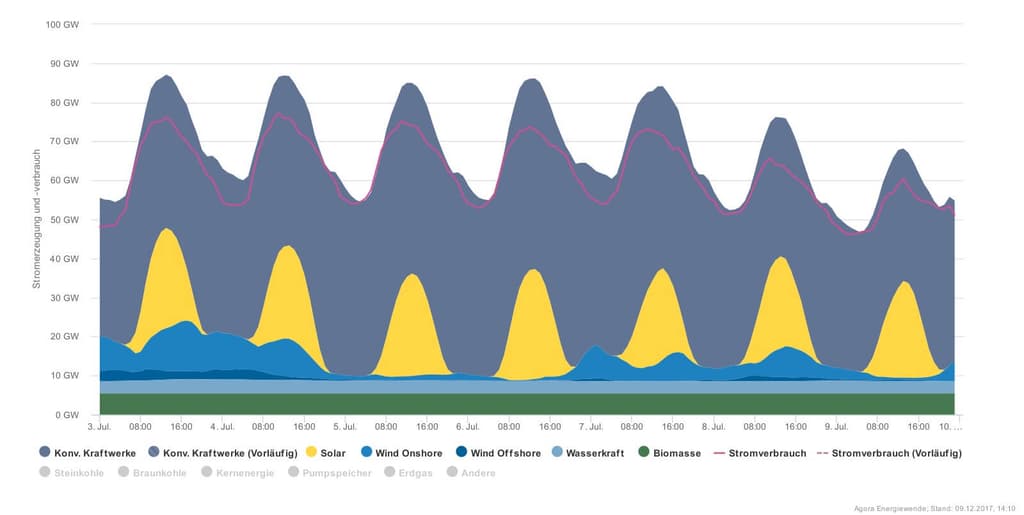
An advantage of photovoltaic electricity is the readily predictable pattern of sunshine when it is not affected by cloud cover. In such cases, a plant has a precisely defined cycle of daytime peaks and night-time periods when no electricity is generated. In regions near the equator, where the annual cycle does not affect the duration and size of the daily peak as strongly, it would therefore be sufficient to cover only several hours without sunshine through energy storage. In temperate zones, however, photovoltaic plants supply only very limited quantities of electricity during autumn and especially winter. Moreover, cloud cover or fog are much more likely during these periods.
The load profile in many areas includes daytime peaks, with electricity consumption highest during the day. The midday peak is higher in hot regions where air conditioning is used intensively. These are also precisely the areas with very suitable conditions for solar electricity production. It is therefore highly advantageous to use solar systems to cover these peaks.
A photovoltaic plant depends on sunshine and therefore cannot guarantee an increase in output when needed. Conversely, regulation by reducing output or shutting down the plant is possible, and the contribution of these sources to regulation will grow as their share in the energy mix of individual regions increases.
Past, present and future of solar parks worldwide
Photovoltaic systems first became advantageous in locations with intense sunshine and suitable stable weather where there was no access to an electricity grid. Gradually, as panel prices declined, the number of installations at various locations and on buildings increased. They took advantage of the fact that in places with problematic grid access and high electricity prices from other available sources, photovoltaic electricity became competitive.
Especially in sunny areas, it thus became feasible to build larger photovoltaic parks to supply electricity to the grid. The first photovoltaic farm was built in California, USA, in 1982 by Arco Solar and had a capacity of 1 MWp; in 1984 it was followed by a 5.2 MWp installation in Carrizo Plain.
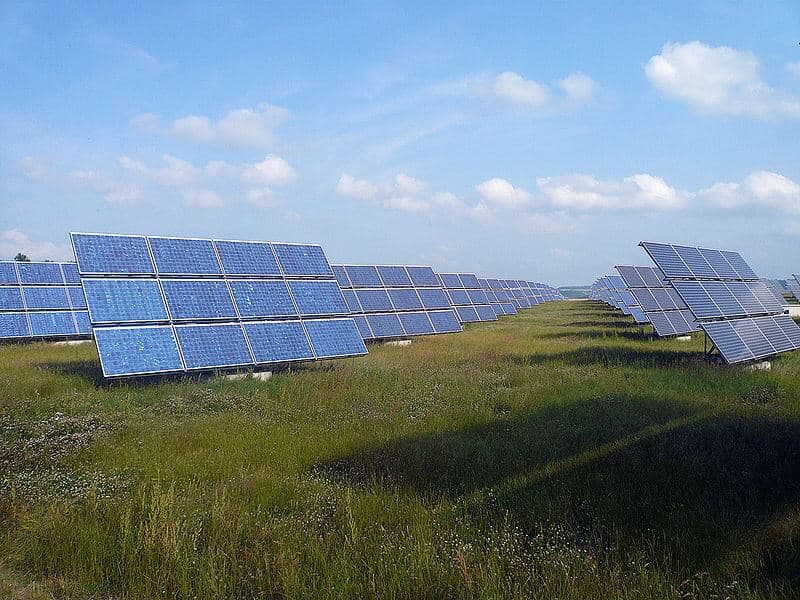
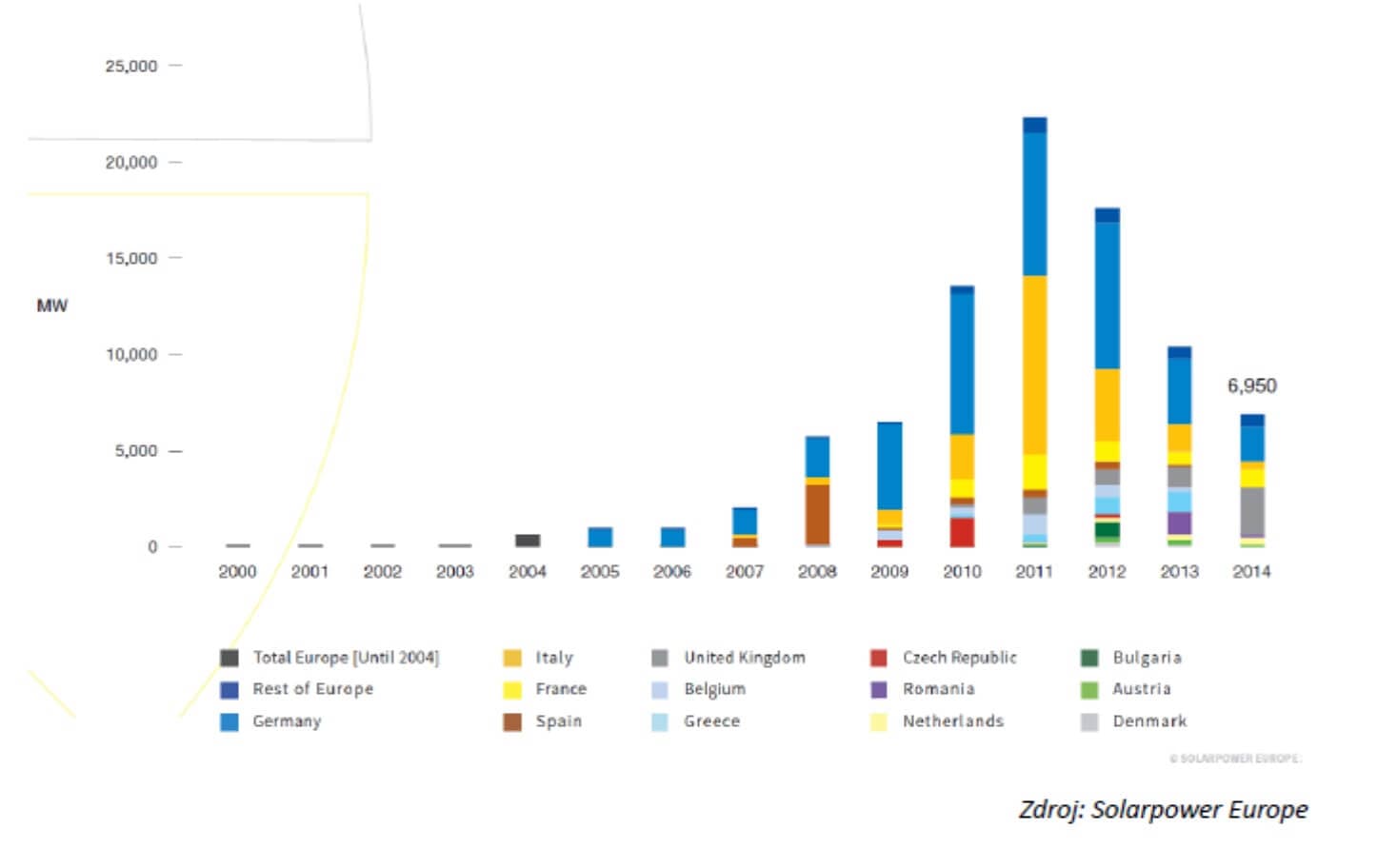
However, the real turning point in their development came only with the introduction of subsidised prices in Germany in 2004, as its Energiewende energy policy required a rapid increase in electricity generation from renewable sources. This led to the installation of several hundred facilities exceeding 1 MWp and more than fifty with capacity exceeding 50 MWp. Spain adopted a similar subsidised pricing system in 2008, leading to the installation of more than 60 farms with capacity exceeding 10 MWp. At present, the largest solar parks are in China, India and the USA.
The largest photovoltaic plants are being built in China and India, with some already exceeding installed capacity of 1 GWp. These include Tengger Desert Solar Park in the Gobi Desert, with installed capacity of 1547 MWp. It covers an area of around 40 km2. Datong Solar Power is expected to be even larger: its first phase currently has 1000 MWp, while after completion of the third phase it should have total capacity of 3000 MWp. It is followed by the Kurnool Mega Solar Park photovoltaic plant in India, with 1000 MWp.
China's Longyangxia Dam plant was built in two stages, with 530 MW added in the second phase to the 320 MWp from the first phase. Together, they cover an area of around 23 km2. In this case, a major advantage is that the photovoltaic plant is located at the same site as the hydroelectric plant of the same name. The latter has four turbines rated at 320 MW. Generation at both plants is coordinated, with the hydroelectric plant replacing solar output when the sun is not shining.
The fifth-largest photovoltaic plant is again in India: the Kamuthi Solar Power Project, with capacity of 648 MWp. It is followed by four photovoltaic plants in the United States, with capacities between 550 and 570 MWp: Solar Star, Topaz Solar Farm, Copper Mountain Solar Facility and Desert Sunlight Solar Farm. Huanghe Hydropower Golmud Solar Park in China also has a capacity of 500 MWp.
In Europe, the largest photovoltaic installations are France's Cestas Solar Farm near Bordeaux, with capacity of 300 MWp, and Germany's Solarpark Meuro, with capacity of 168 MWp.
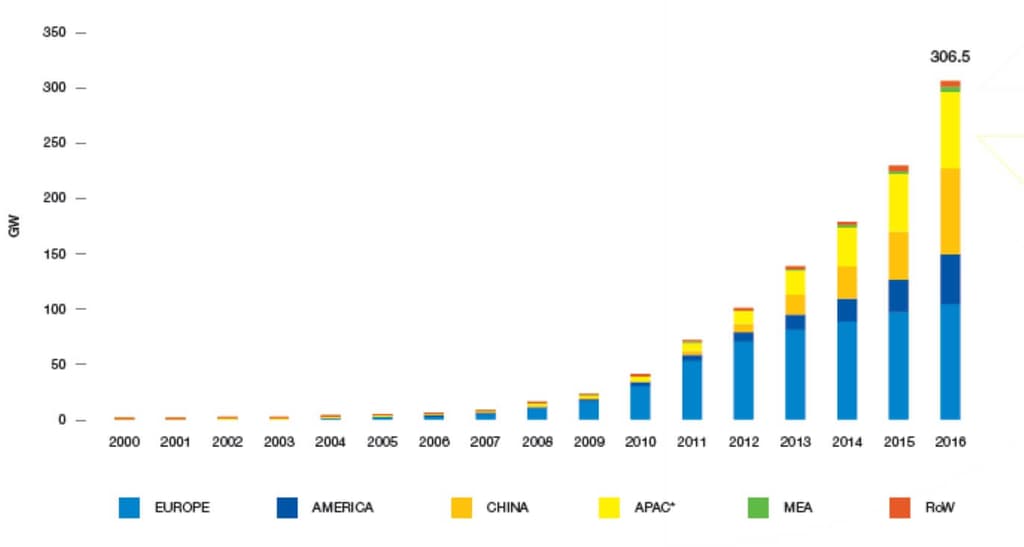
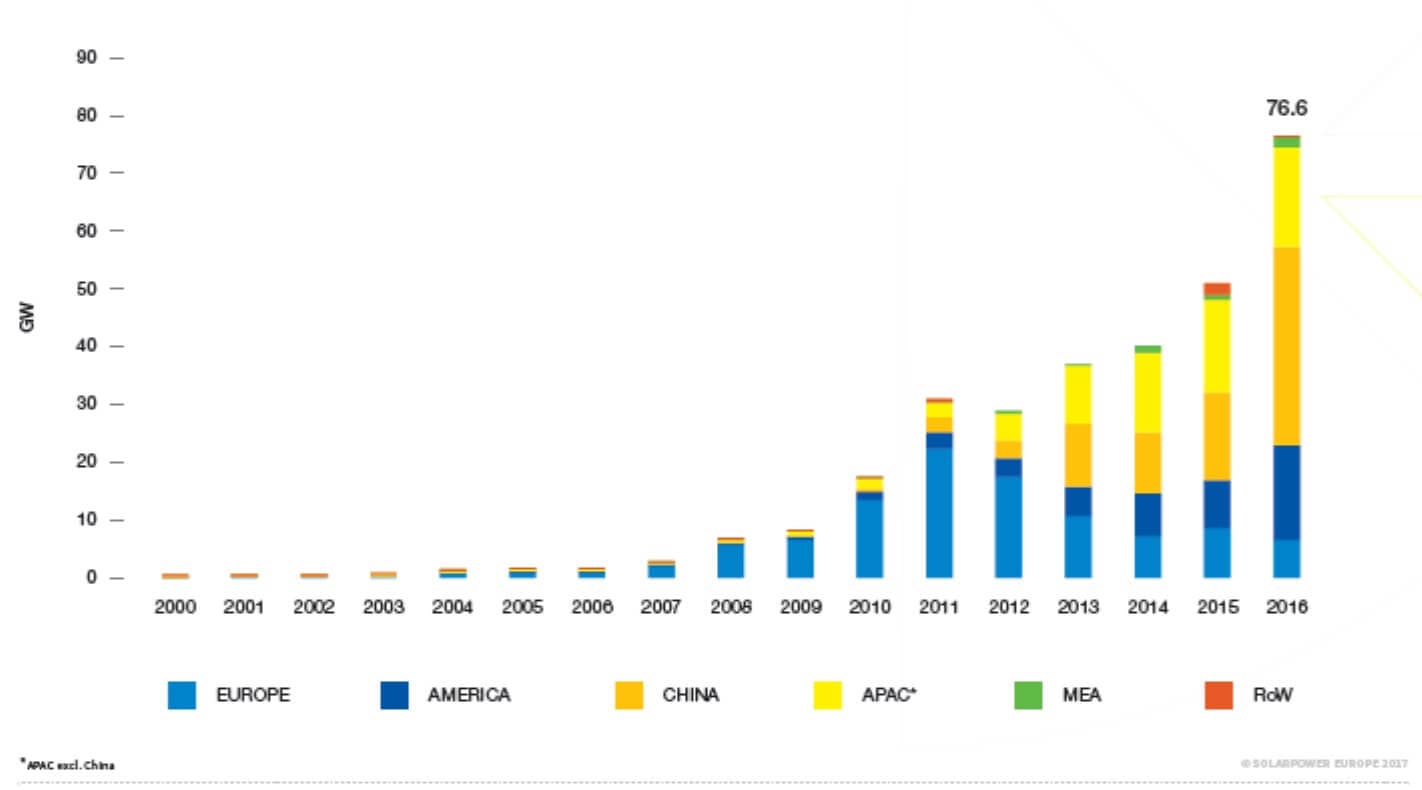
In terms of total installed capacity, the figure exceeded 300 GWp at the end of 2016. China leads with 77 GWp, followed by Japan with 42.8 GWp, Germany with 40.8 GWp and the USA with 40 GWp (end-2016). However, this ranking will change, as Germany is limiting the growth of new installations while developing countries that need to increase electricity production are building new photovoltaic sources ever faster. They also benefit from the fact that these can be built in a decentralised manner, which is advantageous where electricity grids and interconnections are underdeveloped. Unlike in Czechia, the current global trend is for the share of large solar farms to grow at the expense of small building-mounted sources, due precisely to the expansion of new capacity in developing countries where industry is being built.
Another significant trend is floating photovoltaic parks. They are located on inland waters, making use of the surface area while achieving more effective cooling. The efficiency of photovoltaic cells declines when they overheat. At the same time, they reduce evaporation from the water surface. In mid-2017, China's Huainan prefecture commissioned the largest such plant to date, installed on a lake formed as a result of mining activity. The capacity of this plant, built by Sungrow, is 50 MWp. Another similar facility is being completed and tested nearby. A number of such plants, though smaller ones, have been built or are being built in Japan, which lacks available land. They also exist in Australia and the United Kingdom.
Germany, already mentioned, is a special case in photovoltaic deployment. It already has total capacity of 40.7 GWp installed in decentralised building-mounted systems and photovoltaic farms, representing a large share of the required instantaneous capacity, which usually ranges between 60 and 80 GW. Photovoltaic installations in the region behave like a single large power plant. Germany also has substantial installed capacity in wind power plants, which are likewise dependent on weather conditions.
If conditions are therefore suitable for both of these preferred sources and electricity cannot be exported, their generation must also be curtailed. This is one reason why growth in photovoltaic installations and production in Germany has been limited in recent years. Germany is thus already demonstrating the limits of photovoltaic deployment in today's electricity system. Unless efficient long-term energy storage can be achieved, the share of photovoltaic generation will be limited. Solar sources currently generate around 7 % of total electricity production in Germany. Germany plans to gradually reach installed capacity of 66 GWp by 2030, which under ideal conditions would mean the ability to cover up to all required capacity solely through photovoltaic sources.
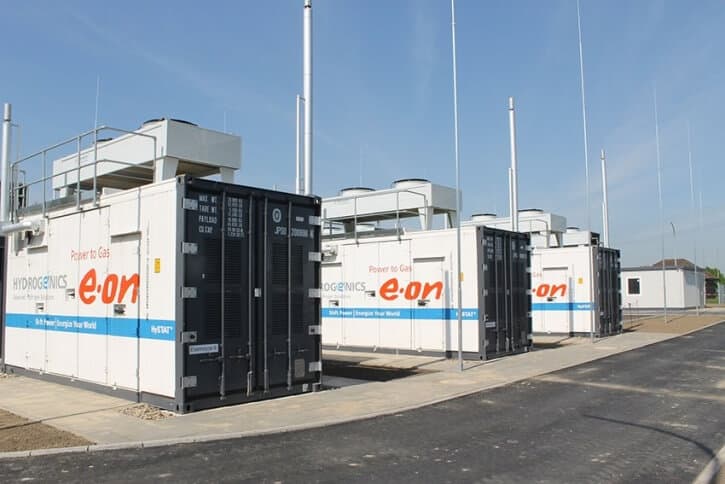
Grid regulation under conditions of a high share of photovoltaic plants is extremely important, and energy storage is an increasingly significant component. Decentralised solar sources and large photovoltaic parks are therefore beginning to be built with battery systems capable of covering several hours without sunshine. Achieving efficient and inexpensive energy storage will be crucial for the degree of photovoltaic deployment. Lower battery prices, driven by dramatically expanding manufacturing capacity, could help with short-term storage and regulation. Elon Musk's well-known company Tesla is also among the leaders in deploying large battery storage facilities. However, the issue of longer-term (seasonal) energy storage is far more challenging.
What does this mean for the Czech Republic?
The Czech Republic lies in the temperate zone and its climate is not ideal for using solar energy. The annual capacity factor of photovoltaic plants in Czechia ranges from 9 to 13 %. Under Czech conditions, a plant with capacity of around 50 MWp can be installed on one square kilometre. On the other hand, geographical conditions are similar to those in Germany, which has one of the highest relative ratios of installed photovoltaic capacity to required capacity.
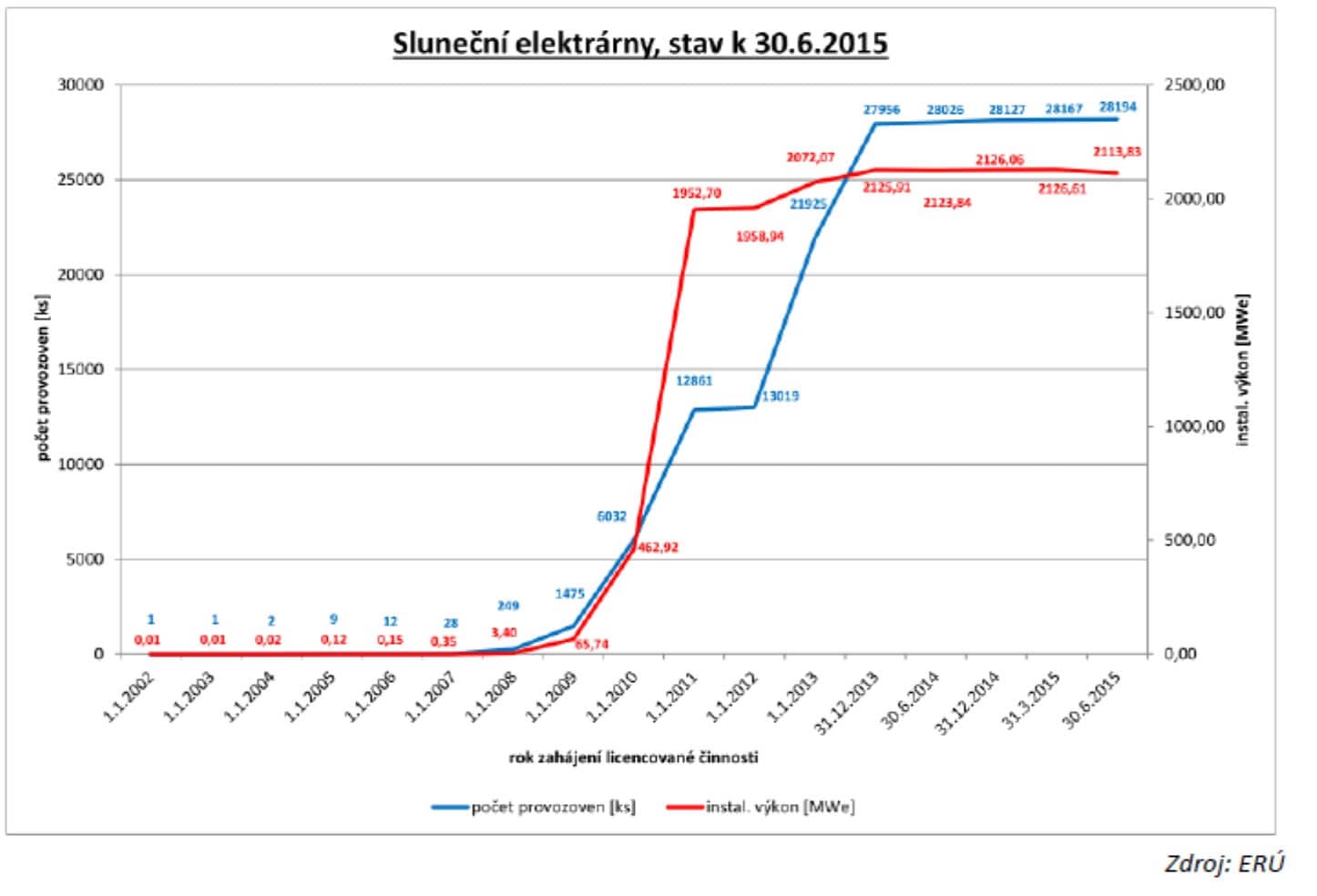
The boom in photovoltaic system installations came in 2009 and 2010 due to a poorly managed subsidised pricing system. It was designed in a way that did not allow a rapid and simple reduction in subsidised feed-in tariffs when panel prices fell quickly, as they did at the time. In these years, installed photovoltaic capacity in Czechia rose from a figure in the single-digit MWp range to almost 2000 MWp. Almost all photovoltaic farms with capacity greater than 5 MWp were also built at that time. The three largest are Ralsko RA 1 with 38.3 MWp, Vepřek with 35.1 MWp and Ševětín with 29.9 MWp.
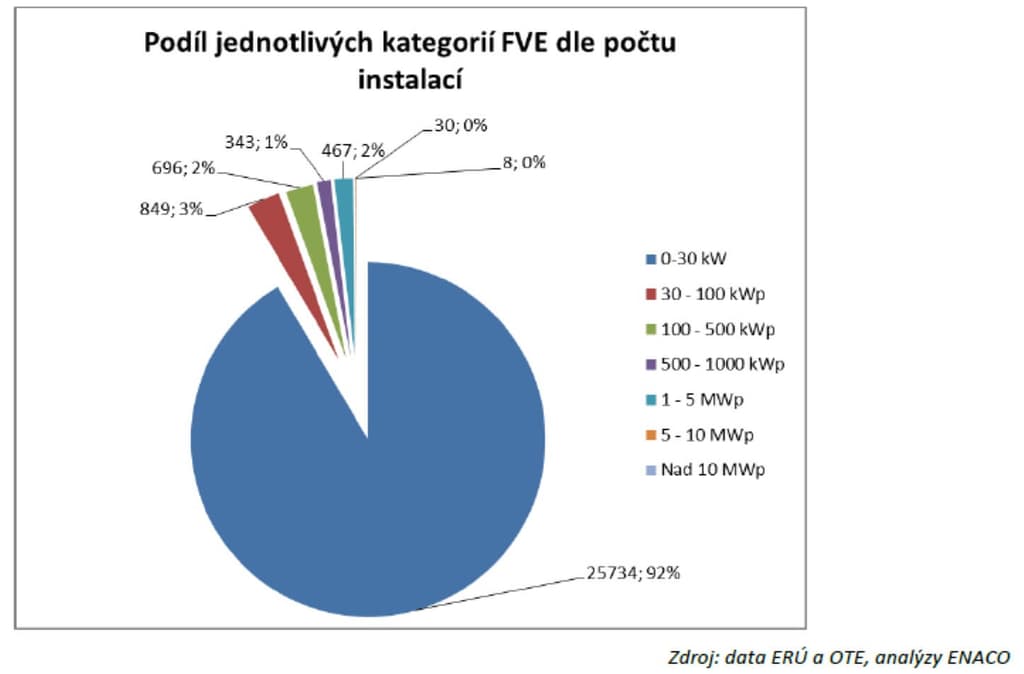
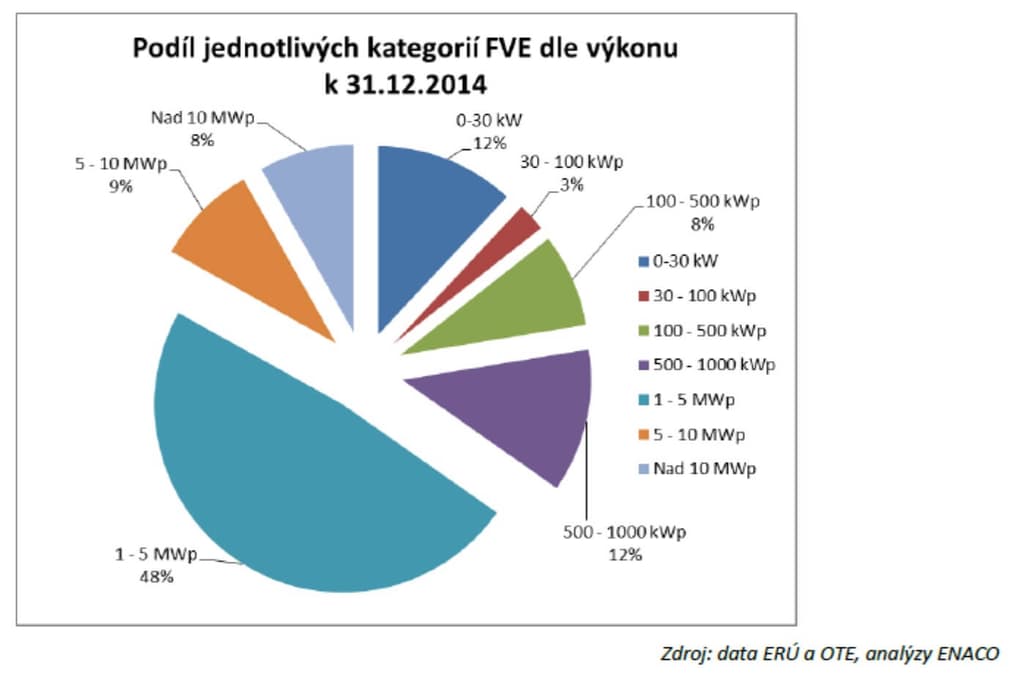
Installed capacity has remained at around 2 GWp until the present. The abolition of guaranteed prices meant that now mostly only small decentralised sources are installed on buildings, which are not primarily intended to supply electricity to the grid. While small installations up to 30 kWp account for 92 % of the total number of facilities, their capacity represents only 12 % of the aforementioned 2 GWp.
Installed peak capacity of 2 GWp results in solar electricity output of up to almost 1.6 GW at the peak under optimal summer conditions. The differing locations, orientations and tilts of plant panel surfaces spread their output peaks across different times, making the distribution of their production during peak periods more even. At present, from spring to autumn during favourable weather, Czech installed photovoltaic sources cover a substantial part of the daytime consumption peak quite well. Overall, photovoltaic sources in Czechia currently generate around 2.1 TWh annually, representing roughly 2.5 % of Czech electricity production.
The very high installed capacity in Germany, and particularly in neighbouring Bavaria, which has 11 GWp of Germany's 40 GWp capacity, worsens conditions for using solar energy for electricity generation in Czechia. Sunshine tends to be similar in Czechia and Germany. Therefore, under ideal conditions in Czechia, the market is flooded with surplus German photovoltaic electricity.
There is still scope to expand photovoltaics in Czechia, but this should primarily be used for decentralised installations on buildings. Here, estimates of technical potential are determined by the available roof area on buildings. According to estimates in an ENACO study, by 2045 the potential is 4.5 GWp for apartment and family houses, and up to 7.3 GWp for other buildings. However, the realistic potential is far more limited. It cannot therefore be expected that German results could be exceeded in Czechia without a dramatic breakthrough in energy storage, for example through charging electric vehicles. Photovoltaic sources will thus not exceed 10 – 15 % of electricity generation in Czechia for many years and decades to come.
As with wind power, the negative impact of high installed photovoltaic capacity in Germany, especially in Bavaria, cannot be eliminated. However, bureaucratic barriers to installing photovoltaic panels on buildings can be removed. Effective ways of supporting such installations in the current distorted market must also be found.
The Czech Republic's State Energy Policy envisages support for efficient photovoltaic installations. As with other sources that are a necessary part of an efficient energy mix, however, the most suitable approach needs to be found.
Article authors: Vladimír Wagner, Antonín Fejfar, Martin Ledinský
Note
This article is the third in a series that will examine the potential of individual energy sources in Czechia, with the aim of initiating a discussion on the future development of the Czech electricity sector, including its challenges and opportunities. This is especially relevant because several years have passed since the last update of the energy policy, while in practice little has been done in the Czech energy sector. At the same time, a number of risks are emerging, making it very important to gain an overview of energy developments and the state of the sector worldwide and in Czechia. The first part, devoted to wind energy, is available here (part 1) and here (part 2). The second part, devoted to nuclear energy, is available here (part 1) and here (part 2).
The article was originally published on OSEL.CZ.
Studies examining the potential of photovoltaics in Czechia:
J. Jakubes and V. Járka: Study: “The potential of solar energy in the Czech Republic”, ENACO for the Czech Photovoltaic Industry Association
Part of the text is based on the article:
A. Fejfar, M. Ledinský, Photovoltaic use of energy from sunlight, Czechoslovak Journal of Physics. 65 (2015) 384–388
Recommended sources:
Translation disclaimer
This article is a machine translation of the Czech original and has not yet been fully reviewed. In case of any doubt, please refer to the Czech version.
Sdílejte článek prostřednictvím:
You might also like
23 October 2026, 11:01

23 October 2026, 06:34