
25 September 2026, 09:51
Loading...
Solar power plants are cheaper: faster tax depreciation from August could save companies hundreds of thousands annually
Ekonews.cz
14 August 2025, 18:21
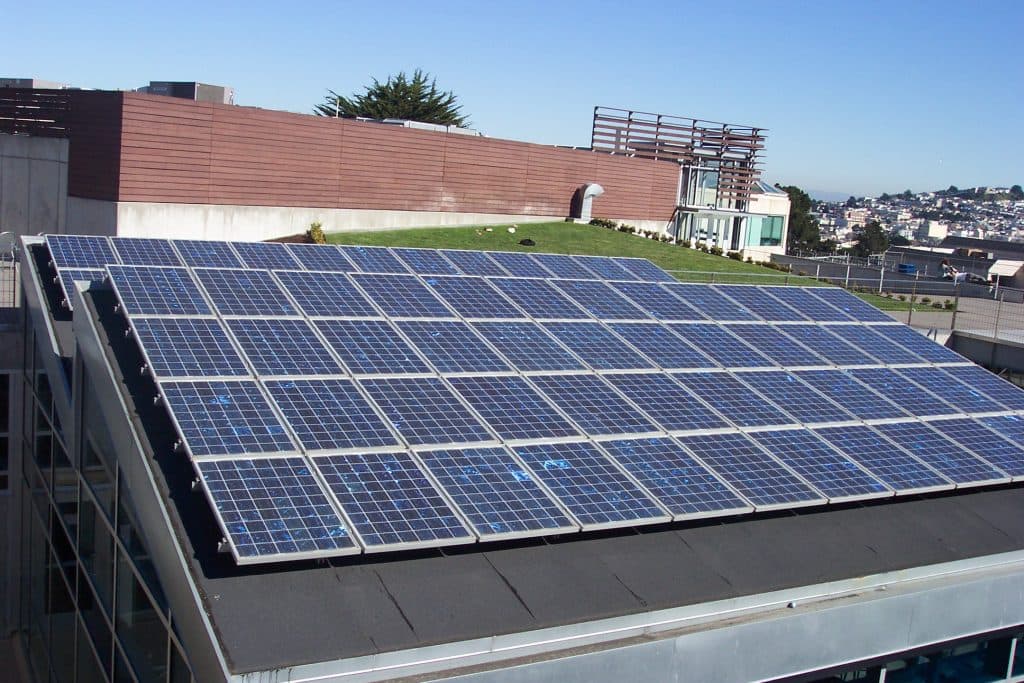
Tax depreciation for photovoltaic systems is changing from August. The depreciation period is being significantly shortened from the original twenty years to five to ten years, and it can also be interrupted. The new rules bring the Czech Republic closer to Germany and Austria.
New rules for the tax depreciation of photovoltaic power plants (PV plants) have applied in the Czech Republic since 1 August. They will be more advantageous for companies and sole traders, and can already be used for plants acquired from 1 July last year. The new depreciation method can save companies up to several hundred thousand crowns a year.
Until August, a special tax depreciation regime applied to photovoltaic systems. PV plants were depreciated on a straight-line basis over 240 months, i.e. exactly twenty years. This depreciation method could not be interrupted, depreciation was calculated to whole months, and the obligation to begin depreciation arose in the month following the fulfilment of the conditions for depreciation.
“These rules were introduced on 1 January 2011 and were intended to end indirect support for electricity generation from environmentally friendly sources, especially solar installations, and thus curb the so-called solar boom that occurred after 2009. The 20-year period was relatively long compared with other assets. For example, it was twice as long as for assets in the third depreciation group (which includes various building components and technologies, editor’s note) and four times as long as for assets in the second depreciation group (such as a passenger car, editor’s note),” says Simona Fialová, a tax expert at consultancy firm Ecovis.
PV plants will be split into two parts for tax purposes
The key change is the repeal of the special provision of the Income Tax Act that governed time-based depreciation for photovoltaic power plants. Instead, from 1 August, PV plants fall under the general regime for the depreciation of tangible assets.
“This means that the depreciation of PV plants will become more flexible, but also more demanding in terms of correct classification. Under the new rules, it will be necessary to divide a photovoltaic power plant into two main parts,” Fialová explains. The first is the construction part, which includes elements such as support structures, foundations, fencing, connections permanently fixed to the ground or a building, and cabling connected to the ground. This part will usually be classified in the fourth, fifth or sixth depreciation group, meaning a depreciation period of 20 to 50 years.
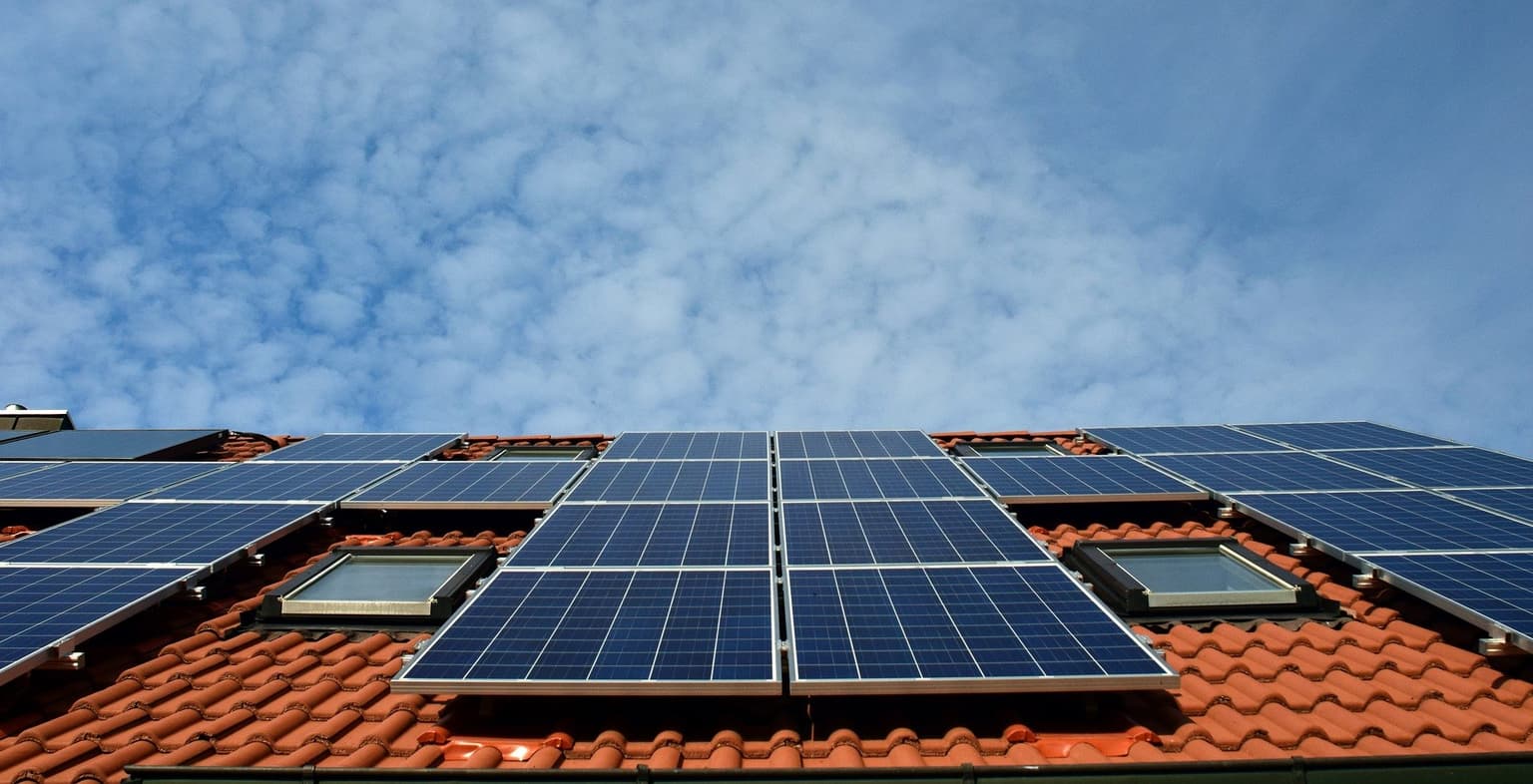
Rooftop photovoltaic power plant installation. Source: Pixabay
The second, technological part consists of solar panels, converters, inverters, switchboards, electricity meters, cabling and batteries – equipment directly related to the generation, storage and distribution of electricity. This part will fall into the second or third depreciation group, allowing depreciation over five to ten years. Battery systems are most often classified in the second depreciation group, meaning they are depreciated over just five years.
“Another significant change is the option to interrupt tax depreciation under the new rules, which was not possible under the old regime,” Fialová adds. This is advantageous in situations where a company would otherwise incur a tax loss, as a tax loss extends the possible period for tax audits. The new depreciation method applies to all types of photovoltaic power plants, including those acquired with subsidies.
Investment payback has accelerated
Companies should benefit from the new method of depreciating PV plants because the process will speed up significantly. The technological part often accounts for 70 to 75 percent of a plant’s acquisition cost and will now be depreciated over just five to ten years instead of the original twenty.
“This means a significantly faster reduction of the tax base, and therefore a lower tax liability in the first years of operating a PV plant. Tax depreciation can be claimed much earlier,” Fialová explains.
And how much exactly can companies save? Take the example of an investor who acquired a PV plant in January 2024 for ten million crowns. The technological part – panels, converters, switchboards and batteries – represents 75 percent of the value and cost 7.5 million crowns. The construction part – support structures, foundations and cabling connected to the ground – represents 25 percent of the value and cost 2.5 million crowns. While under the old regime such an entrepreneur would depreciate the technological part only by 2044 and the annual tax depreciation would amount to 375 thousand crowns, under the new regime the technological part falls into the third depreciation group, meaning a depreciation period of ten years. Annual tax depreciation will amount to 412,500 crowns in the first year and 787,500 crowns in subsequent years. The entire equipment will be fully depreciated by 2033.
The example shows that under straight-line depreciation, tax depreciation of the technological part is 37,500 crowns higher in the first year. From the second year onwards, until the technological part is fully depreciated under the new regime, the difference is even more pronounced: annual tax depreciation is 412,500 Kč higher.
“Higher annual tax depreciation means a lower tax base and, consequently, a lower tax liability in the first years of operating a PV plant. This leads to a faster return on investment because the company has more money available earlier that it would otherwise have paid in taxes,” Fialová explains.
Instead of 21 thousand, it saves nearly one hundred thousand
One company welcoming the new depreciation method for photovoltaic power plants is Space Com from Humpolec, which has several of its own PV plants and is planning more. It also supplies PV plants to other companies.
“For us as a technology implementation company, accelerated tax depreciation for photovoltaics opens up new business opportunities. Investment in solar energy will make greater economic sense for our customers than ever before,” says Martin Vašíček, commercial director of Space Com. In his view, the change in the depreciation period is a positive step and will increase investment in solar technologies at a time when interest in photovoltaic solutions is declining, partly due to the gradual reduction in subsidies.
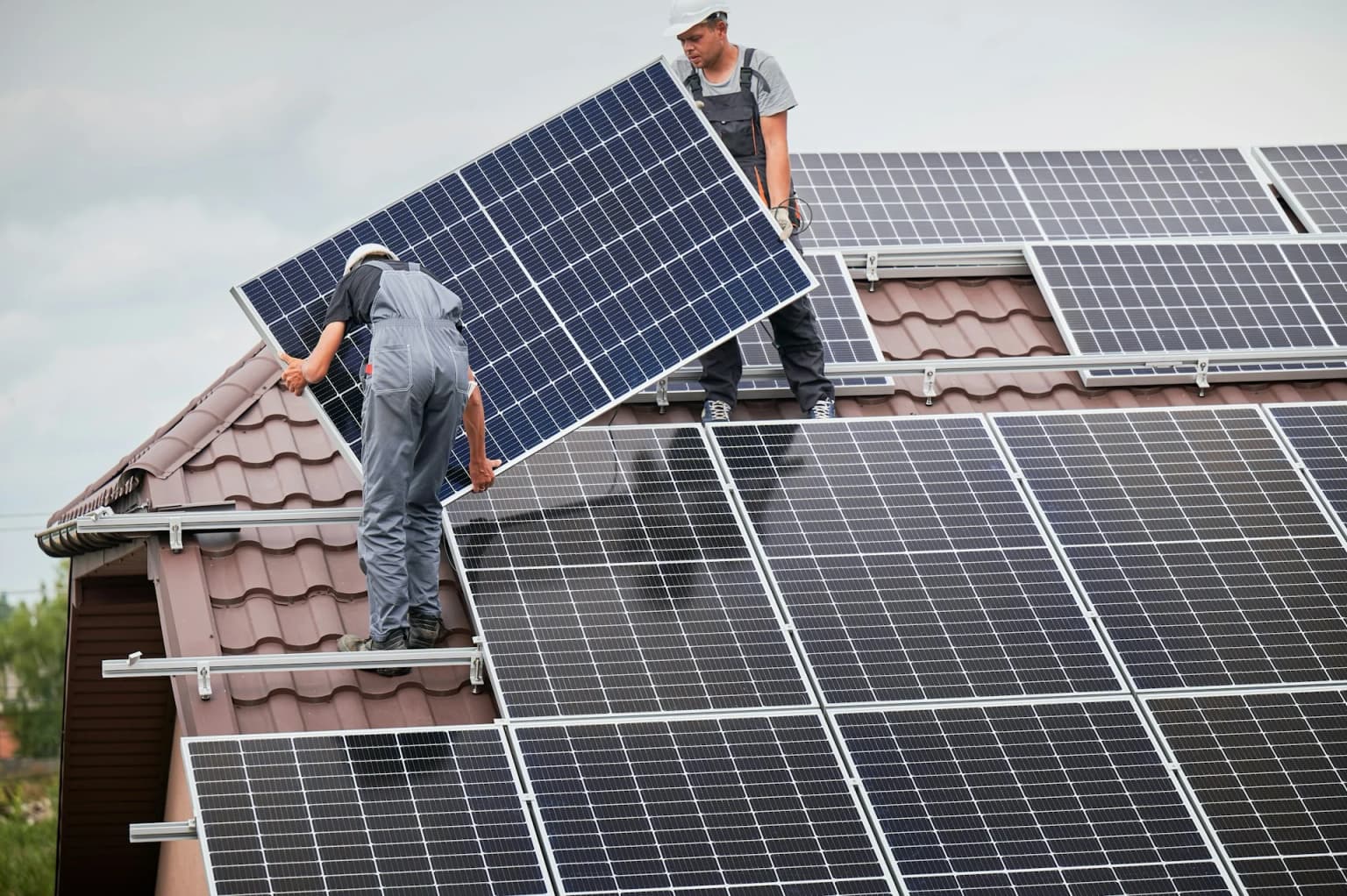
Illustrative photo: Unsplash
Space Com is now considering a business model for a data centre in which it would like to store a larger amount of energy generated by PV plants. For a battery storage system costing one million crowns, depreciation was previously strictly set at 50 thousand crowns per year, which at the current 21 percent rate brought tax savings of 21 thousand crowns over the first two years.
“Our company can use the option of accelerated tax depreciation for batteries, so the same storage system can now be depreciated in five years. Depreciation is 200 thousand crowns in the first year and 266 thousand in the second. Total tax savings amount to 98 thousand,” Vašíček calculates.
Thanks to the amendment, the company will save four times more in the first two years than under the previous regime. “This has a fundamentally motivating effect on our cash flow, return on investment and faster planning for the development of PV plants and intelligent energy flow management,” Vašíček says approvingly.
The better the documentation, the easier the classification
For a successful transition to the new depreciation regime, the review and documentation of PV plants is crucial for companies. “Split the PV plant into construction and technological parts; this is essential for correct classification. Also ensure detailed documentation. This includes project documentation, photographic documentation, a detailed budget and specifications for individual components. The better documented it is, the easier correct classification will be,” tax specialist Fialová advises.
The choice of regime is also important. Companies that put PV plants into use before 1 August 2025 and applied the old depreciation method may continue depreciating them under that regime. For PV plants acquired between 1 July 2024 and 31 July 2025, the amendment allows a choice of regime: either continuing with the existing one or switching to the new regime, depending on which the company considers more advantageous. Only the new regime applies to PV plants acquired after 1 August 2025.
Individual parts must also be classified according to the depreciation group to which they belong. “Be careful with PV plants permanently attached to a building. The support structure may be considered a technical improvement to the building, which will increase its acquisition cost and be depreciated with the building, meaning it will fall into the fifth or sixth depreciation group, with a depreciation period of 20 to 50 years. This may lengthen depreciation for this part and be disadvantageous,” Fialová warns.
For detailed calculations and correct classification, Fialová says it is best to consult a tax adviser. Especially for larger installations, expert assessments are indispensable. “I also recommend updating accounting software. Quality systems are already adapting to the new legislative changes and offer support for all transitional options,” Fialová says.
The change in depreciation rules follows complaints from companies that viewed the previous strict regime as restrictive and less advantageous. It also hindered investment in renewable energy sources to some extent. “The change brings Czech practice for depreciating PV plants closer to that of other European countries, such as Germany and Austria. The main objective is to motivate companies to invest in renewable energy sources,” Fialová adds.
Republished from the online portal EkoNews.cz, a website covering business and sustainability.
Translation disclaimer
This article is a machine translation of the Czech original and has not yet been fully reviewed. In case of any doubt, please refer to the Czech version.
Sdílejte článek prostřednictvím:
You might also like

24 September 2026, 11:23

24 September 2026, 10:30
24 September 2026, 06:56