
25 September 2026, 09:51
Loading...
ČRo: EC rejects ČEZ minority shareholders’ complaint against state over windfall tax

oEnergetice.cz, ČTK
17 October 2025, 14:54
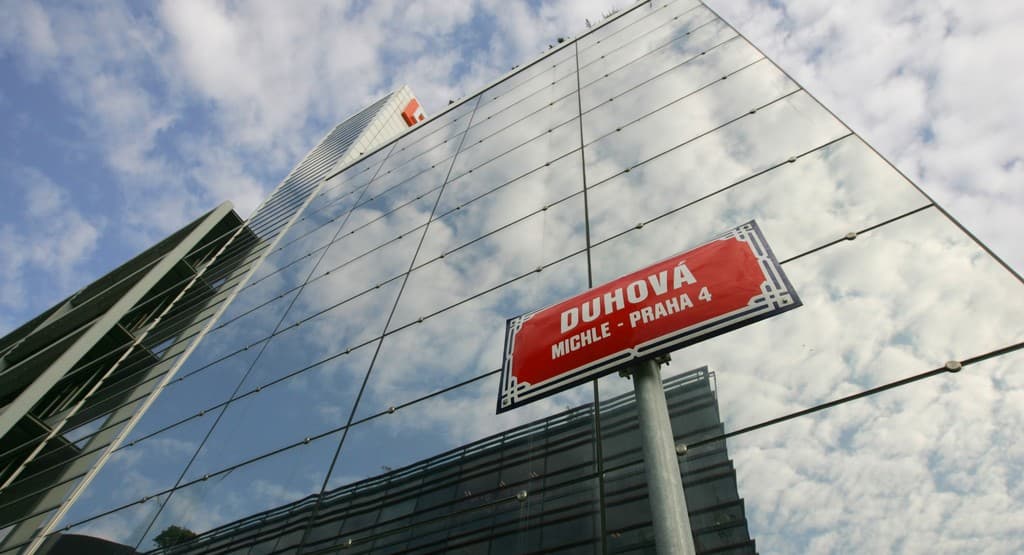
The European Commission has rejected a complaint by minority shareholders in energy group ČEZ against the state. The shareholders primarily objected to the so-called windfall tax, an extraordinary tax on unexpected profits, under which ČEZ paid the state tens of billions of crowns annually over the past three years. According to the Commission, the Czech government’s measures were not contrary to European law. Petr Mojžíšek, chairman of the Minoritní Akcionáři.com association’s committee, confirmed this to Radiožurnál, news site iROZHLAS.cz reported today. Shareholder representatives are now considering further steps. ČEZ declined to comment on the decision, while the Finance Ministry said the Commission had confirmed the correctness of the state’s approach.
The state holds a majority 70 percent stake in ČEZ. The remaining 30 percent is owned by minority shareholders.
According to the radio station, the Commission dismissed the complaint on all counts. “Considering how long it took them, they dealt with it very superficially and practically did not address the substance of the matter at all. We are now consulting our law firm on what the next steps will be,” Mojžíšek told Radiožurnál. The Commission has now given the association four weeks to submit any further relevant information, otherwise the case will be closed.
According to Mojžíšek, further steps are also being considered. In the past, the association has spoken, for example, of a lawsuit against the state or ČEZ over possible damage to investments.
ČEZ minority shareholders complained to the European Commission chiefly about the windfall tax, which the Czech government introduced from 2023 until the end of this year. In their complaint, they challenged, for example, the high tax rate, its duration and its combination with other extraordinary levies on excess revenues. According to the shareholders, the state’s measures mainly affected ČEZ, which, according to the association, resulted in a breach of European law and damage to their investments in ČEZ in the form of lower dividends.
ČEZ paid tens of billions of crowns annually in windfall tax. In the first year the tax was in force, this amounted to around 45 billion crowns, followed by another 30 billion crowns last year. In both years, this represented almost 80 percent of the state’s total revenue from this extraordinary levy. ČEZ will also be the largest payer of windfall tax this year.
However, the EC rejected the objections, saying the state’s measures were not contrary to European law. According to the Commission, EU member states could set anti-crisis measures at their own discretion. It also rejected the possibility of double taxation, saying that the impact on dividends was a normal consequence of the state’s tax policy.
ČEZ minority shareholders have long criticised the design of the windfall tax, and the issue was also discussed at the group’s most recent general meeting. ČEZ chief financial officer Martin Novák told shareholders at the time that, based on its own legal analyses, ČEZ did not have sufficient legal arguments to file a lawsuit over the payment of the unexpected profits tax, or so-called windfall tax. According to the analysis, it is not in conflict with the constitutional order of the Czech Republic.
Translation disclaimer
This article is a machine translation of the Czech original and has not yet been fully reviewed. In case of any doubt, please refer to the Czech version.
Sdílejte článek prostřednictvím:
You might also like

24 September 2026, 11:23


24 September 2026, 10:30
24 September 2026, 06:56