
23 October 2026, 14:38
Loading...
After major success with wind power, Sweden is now grappling with a downturn

oEnergetice.cz, ČTK
6 December 2024, 14:56
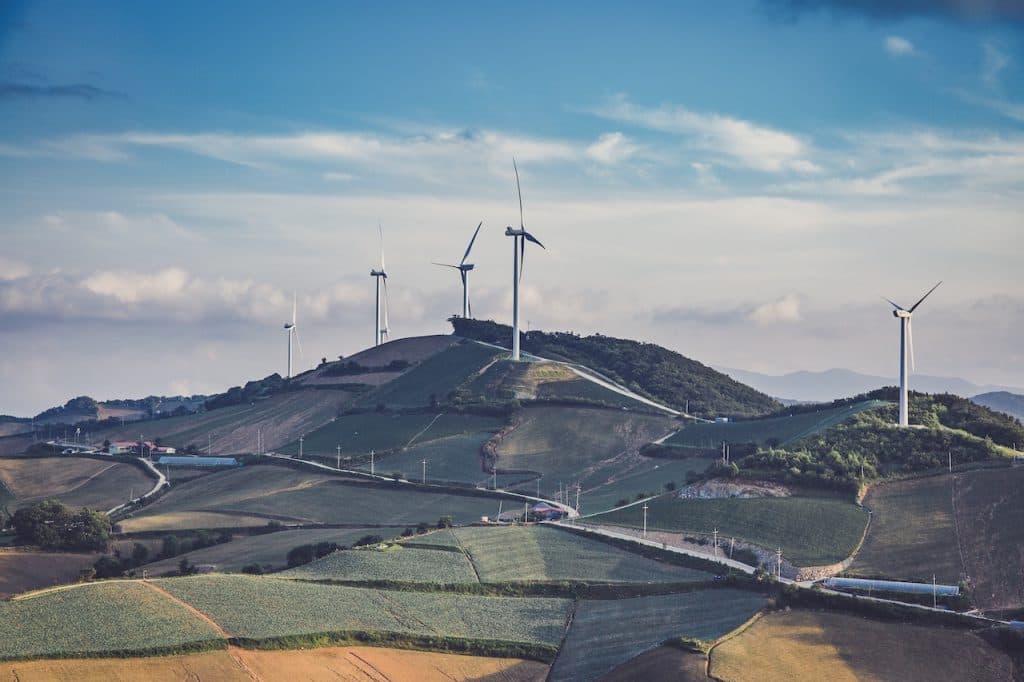
Sweden’s wind power sector could become a victim of its own success. The country has one of the cleanest power grids in the world and relies almost entirely on hydropower, nuclear power and wind power. But with demand expected to grow, it needs more energy sources. There are already so many wind turbines across the country, however, that the price of the electricity they generate is continuously falling, holding back further investment in renewable energy, Bloomberg reported today.
Wind power now accounts for almost a quarter of the country’s total energy production. But the construction of thousands of wind turbines over the past two decades means so much energy is available that electricity prices are increasingly falling below zero, both for individual hours and for entire days. They are expected to remain very low for several years. Low energy prices offer little return, discouraging investors from backing new renewable energy projects in the country. Doubts are also growing about future demand, as a number of energy-intensive green megaprojects in the north of the country are being delayed or cancelled altogether.
Sweden ended its main subsidy scheme for new renewable energy projects three years ago. Investment in clean energy there is now driven solely by energy prices. This sets Sweden apart from most European countries, which continue to offer various incentives.
In addition to falling prices, Sweden’s wind power sector is facing other obstacles, from higher turbine costs and interest rates to local communities’ opposition to wind farms near their homes, municipal and military vetoes of projects, and problems connecting to the grid.
This downturn threatens Sweden’s ambitious goal of reaching net-zero emissions by 2045. And it is not just Sweden. According to the International Energy Agency (IEA), the global goal of tripling renewable energy capacity by the end of the decade is at risk because wind turbine development is too slow.
According to data from industry group Svensk Vindenergi, no new turbines have been ordered in Sweden since the first quarter. This is the longest such period in two years. Commissioning a wind farm, from the time an application is submitted, now takes 8.5 years in the country, compared with 2.5 years in 2010, consultancy Ernst & Young noted. The longer timeframe is also a significant problem for investors and developers.
As a so-called green technology revolution takes shape in the country, analysts’ estimates of how much electricity demand will grow vary widely. The government expects demand to double over the next two decades. But one thing is clear — greater wind power capacity will be crucial to meeting this growth. The country has the fourth-largest installed wind power capacity in the EU, at approximately 16.400 megawatts at the end of last year.
Other countries that are still trying to decarbonise through subsidies rely more heavily on fossil fuels, which is reflected in higher electricity prices. In Scandinavia, the average price this year is around 36 euros (905 Kč) per megawatt-hour. That is half the price in Germany, Europe’s largest market. And the gap could widen further if demand stagnates.
Yinfan Zhang, a director at consultancy Baringa Partners, said investors are quite nervous when they look at what has happened in Scandinavia and are wondering whether it could happen elsewhere. Spain, where solar power is expanding rapidly and electricity prices are falling, is one example.
Some countries facing opposition to onshore wind projects prefer offshore wind. Surprisingly, Sweden has almost no offshore wind capacity. In November, however, the government cancelled 13 applications for projects in the Baltic Sea, saying they would threaten the country’s defence against Russia.
The government’s plans to develop nuclear power plants are also causing concern for the wind power sector. The proposals include a 40-year contract guaranteeing that a plant will receive 70 euros per megawatt-hour, meaning the state would make up any difference in the price to make construction attractive to investors. Even the best wind projects would struggle to compete with that price.
Translation disclaimer
This article is a machine translation of the Czech original and has not yet been fully reviewed. In case of any doubt, please refer to the Czech version.
Sdílejte článek prostřednictvím:
You might also like


23 October 2026, 11:01


23 October 2026, 06:34