Lithuania's energy independence at a crossroads: audit criticizes key offshore wind farm
Lithuania’s government audit office was tasked by parliament with examining the backbone energy project of offshore wind farms. The audit reveals numerous problems, raising a series of questions about the project.
Lithuania is currently an energy importer, and has been ever since the Ignalina nuclear power plant was shut down. The Baltic state consumes around 12 TWh of electricity a year, while generation amounts to approximately 5 TWh. The rest is covered by imports. In recent years, however, the gap has slowly narrowed, thanks to a focus on renewable energy. The main sources of electricity in Lithuania are wind power (42,6 %) and solar power (17,3 %).
Lithuania’s leadership has long been aware of this problem and is actively addressing it. The country has set an ambitious target of reaching a 100% share of renewables. Wind farms are expected to be key to achieving this. Their number in the country has grown significantly over the past five years, with many projects launched, including Kalme WF 1 and 2 this year, with a combined installed capacity of more than 300 MW.
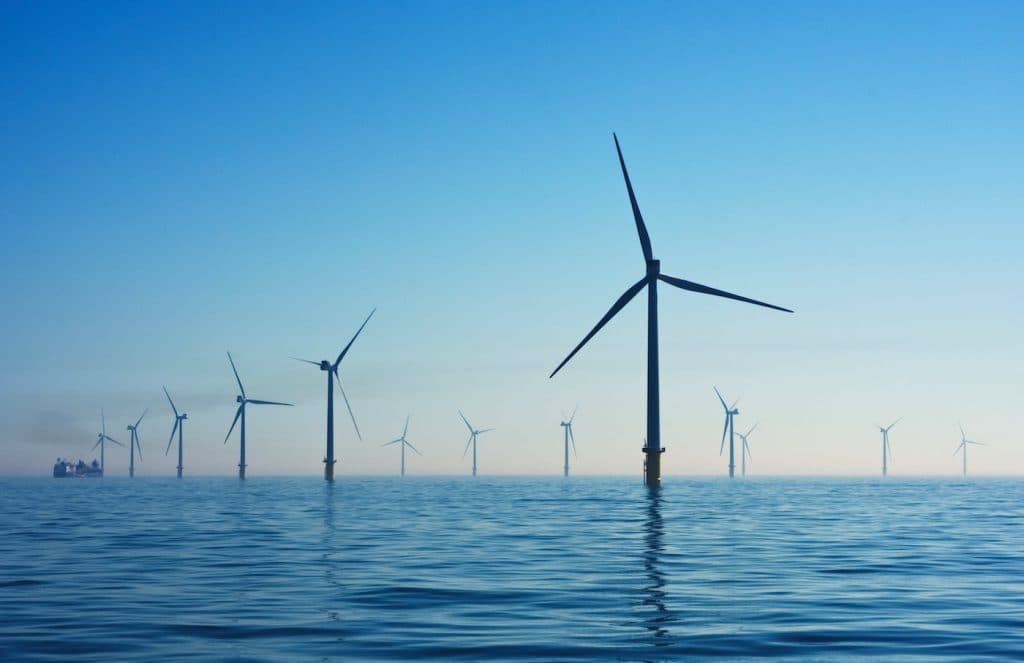
The backbone project, however, is set to be a large offshore wind farm in the Baltic Sea, which Poland, among others, is also increasingly eyeing. The project aims to reach an installed capacity of up to 1,4 GW by 2035. The wind farm should therefore be capable of supplying more than 5 TWh of electricity a year. The first tender, for the construction of the first 700MW phase, took place in 2023 and was won by Offshore Windfarm One, owned by state-owned company Ignitis. This company has now come under auditors’ scrutiny.
There are many problems
The audit was ordered by the Seimas (Lithuania’s parliament) after state-owned company Ignitis admitted that it was struggling to find buyers for the electricity through PPAs (power purchase agreements) and was generally uncertain about the project’s future. It is now clear that lawmakers had reason to be concerned.
According to the audit, the project breached tender rules. The tender was entered by a subsidiary, “Offshore Windfarm One, UAB” [UAB in Lithuania denotes a private limited liability company], which also obtained the permit. However, it is not actually building or managing the project. Instead, construction is being carried out by its parent company, Ignitis Renewables, UAB. More serious, however, are the economic implications of market developments. Not only have some wind farm components become more expensive over the past year, but electricity prices have also been gradually falling.
The audit found that the project will be 23 % more expensive and that its profitability is likely to fall, potentially by as much as 40 % according to projections. The audit also criticizes the initial decision to split the project into two phases, saying this made the entire project more expensive. Another problem is that neither Ignitis nor its subsidiary has yet found buyers for the future electricity, and no power purchase agreements (PPAs) have been signed to secure offtake.
Problems have also emerged with the schedule estimates. Although construction has not yet physically begun, the project is already delayed after the Ignitis Group cut some of its spending. Approximately 60 % of planned work has been postponed. The official date for the start of electricity generation, however, remains unchanged: 12 February 2030.
The audit recommended several ways to comply with tender rules and reduce costs. The key issue, however, is PPAs; there appear to be few companies or institutions in Lithuania interested in or requiring this type of agreement.
Offshore wind farms remain crucial for Lithuania to achieve energy independence and meet its climate targets. It should be borne in mind that this is the first project of its kind in the Baltic states. The audit nevertheless shows how projects of this kind can run into problems in several key areas.
Translation disclaimer
This article is a machine translation of the Czech original and has not yet been fully reviewed. In case of any doubt, please refer to the Czech version.