
1 November 2026, 21:20
Loading...
Survey: wind farm approval process accelerated in Europe last year

oEnergetice.cz, ČTK
12 February 2024, 14:53

Wind farm permitting accelerated in Europe last year, particularly in Germany. Among other things, designating renewable energy projects as being in the national interest helped, according to a survey published today by consultancy BloombergNEF. In the fourth quarter, European electricity producers generated more power from wind than from coal for the first time, Ember said.
In Germany, the region’s largest wind energy market, projects with a capacity of approximately 7.5 gigawatts were approved last year, 80 percent more than in the previous year and the most since 2016. The approval process also accelerated in Spain.
Projects with a capacity of approximately 55 gigawatts are awaiting approval in some of Europe’s largest onshore wind markets—Germany, France, Italy, Spain and Britain—BloombergNEF says. That is approximately seven times more capacity than was added in these countries last year. The waiting period can average up to five years, more than double the limit set by the European Commission (EC).
“Wind farm permitting improved significantly last year, particularly in Germany. But there is still room for improvement,” said Giles Dickson, head of the industry group WindEurope.
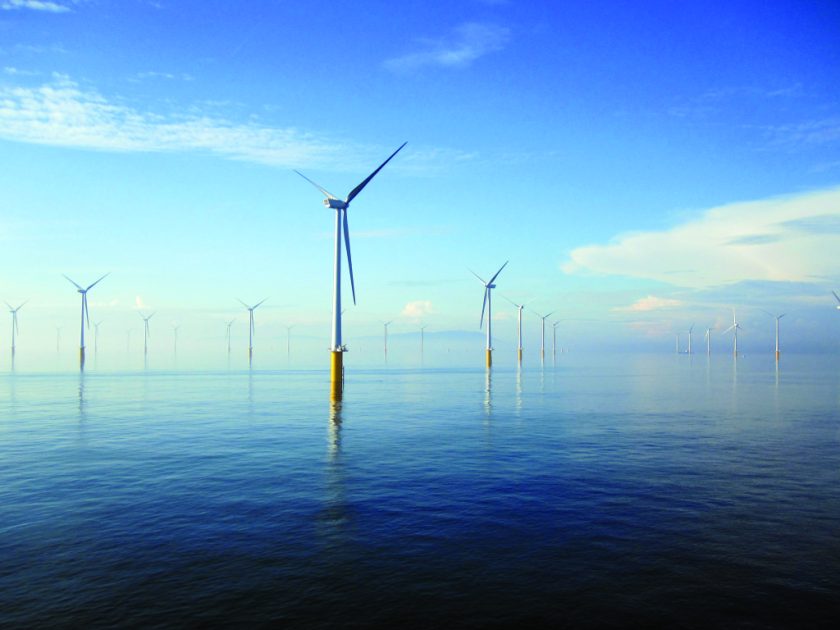
“EU needs to build wind farms with a capacity of 30 gigawatts each year to meet its 2030 targets. The current volume of approved projects is not enough,” he added.
According to Ember data, European energy companies generated a record 193 terawatt-hours (TWh) of electricity from wind farms between October and December 2023, compared with 184 TWh from coal-fired power plants. Wind power generation in the last quarter of the year rose by around a fifth year on year. Germany, Poland and Turkey account for approximately one-third of Europe’s total coal-fired power generation.
At the end of 2022, the EU established a framework for member states aimed at accelerating the deployment of renewable energy. The measures included classifying renewable energy projects as being in the “overriding public interest.” This designation is intended to prevent legal challenges to new power plants, which can drag on for years. The EU also sought to speed up environmental impact assessments.
Translation disclaimer
This article is a machine translation of the Czech original and has not yet been fully reviewed. In case of any doubt, please refer to the Czech version.
Sdílejte článek prostřednictvím:
You might also like

1 November 2026, 16:09
1 November 2026, 07:59

31 October 2026, 12:55
31 October 2026, 08:21