
1 November 2026, 21:20
Loading...
Wind power installations in Germany rose 48 percent year on year

oEnergetice.cz, ČTK
16 January 2024, 14:53
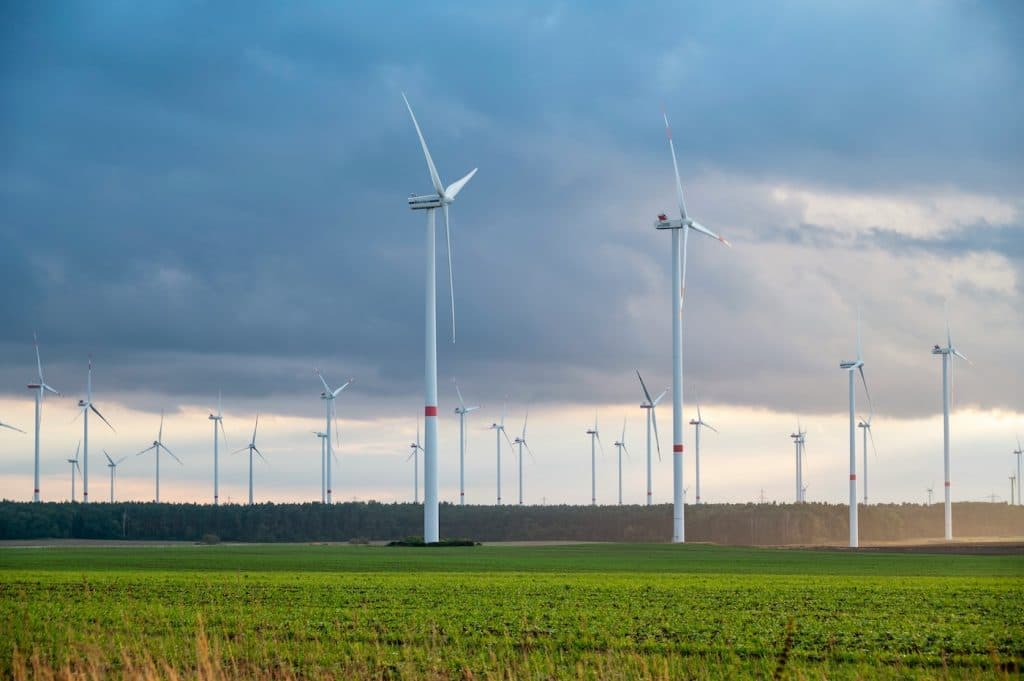
Berlin, 16 January (CTK correspondent) – Last year, 745 onshore wind power plants with an installed capacity of 3567 megawatts were built in Germany, up 48.3 percent year on year. This was announced today by Bärbel Heidebroek, head of the German Wind Energy Association (BWE), who stressed the need to maintain the pace of construction. According to revised data, new wind power installations in Germany added 2405 megawatts of capacity last year. This was a 25 percent increase on 2021.
„Last year, we saw a record increase in new permits. The federal government and regional administrations must now work together to ensure this positive trend continues,“ Heidebroek said.
„The successful ramp-up of renewable energy capacity must be more than just a response to external threats. We need a legal framework that provides long-term clarity and certainty for planning, including beyond the current parliamentary term,“ she noted.
The government of Social Democratic Chancellor Olaf Scholz sees the construction of renewable energy capacity as a path to energy security and independence from fossil fuel prices. Germans will go to the polls in 2025, after which new members will take their seats in the Bundestag and a different government could come to power.
For this year, BWE and the engineering association VDMA expect new onshore wind installations to exceed 4000 megawatts, or more than four gigawatts, provided that the pace of permitting and construction does not slow. Germany currently has onshore wind power plants with an installed capacity of more than 61 gigawatts.

The German government aims to have onshore wind power plants with an installed capacity of about 115 gigawatts by 2030. Wind farms in the North and Baltic seas are expected to have a capacity of 30 gigawatts by then; according to provisional data from the middle of last year, BWE puts their capacity at 8.4 gigawatts.
By 2030, Germany aims to reduce greenhouse gas emissions by 65 percent compared with 1990, by 88 percent by 2040, and to achieve climate neutrality by 2045. Electrification is one of the pillars of this plan. By 2030, Germany aims to source 80 percent of its electricity from renewable sources, including wind and solar power plants.
Translation disclaimer
This article is a machine translation of the Czech original and has not yet been fully reviewed. In case of any doubt, please refer to the Czech version.
Sdílejte článek prostřednictvím:
You might also like

1 November 2026, 16:09
1 November 2026, 07:59

31 October 2026, 12:55
31 October 2026, 08:21