
23 October 2026, 14:38
Loading...
China vs. EU: Electric vehicles at the center of a trade war
Veronika Jurcová
12 August 2024, 14:21
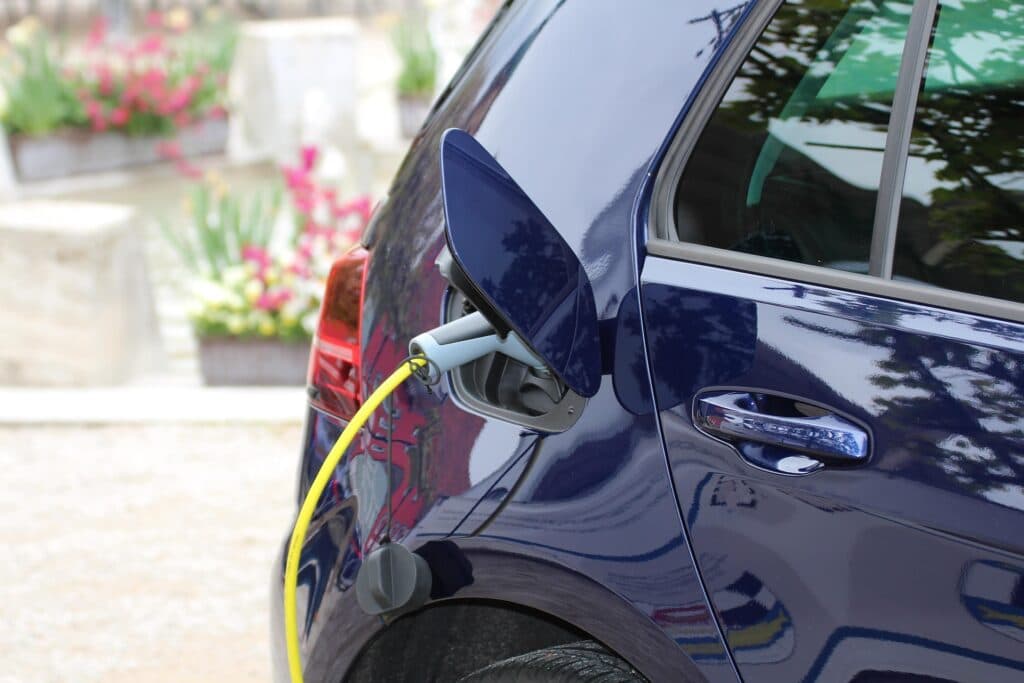
In September 2023, the European Commission launched an investigation into Chinese state support for electric mobility and subsequently introduced temporary tariffs on imports of Chinese electric vehicles in June. In response to the tariffs, China filed an appeal with the World Trade Organization (WTO), alleging a breach of WTO rules, reports Euractiv. Talks with China and escalating tensions between the two sides could lead to a trade war.
In September last year, the European Commission launched an investigation into Chinese state support for electric mobility. It concluded that subsidies there were leading to artificially low prices and market distortions. In response to this conclusion, the Commission decided in June to introduce temporary import tariffs on electric vehicles made in China with the help of Chinese state support.
The tariff rates vary by automaker and automotive group, ranging from 17.4% to 38.1%. They will apply on top of the existing 10% tariffs on all Chinese electric vehicles, with the rate depending on the extent to which manufacturers cooperated with the EU investigation into support for electric vehicles.
China’s Ministry of Commerce warned that it would file a complaint with the WTO shortly after the EU announcement, arguing that the investigation had violated WTO rules and the legal rights of the companies concerned. The Commission rejected these allegations, however, and confirmed to Euractiv in June that the investigation had been conducted in full compliance with international legal standards and EU legislation.
“On August 9, China appealed to the World Trade Organization’s dispute settlement mechanism over the EU’s provisional anti-subsidy measures on electric vehicles,” a spokesperson for China’s Ministry of Commerce said in a statement.
The ministry said the purpose of the appeal was to protect the development rights and interests of the electric vehicle industry and cooperation on the global green transition.
“The EU’s preliminary decision lacks a factual and legal basis, seriously violates WTO rules and undermines global cooperation to address climate change. We urge the EU to immediately correct its misguided practices and work with us to maintain the stability of China-EU economic and trade cooperation, as well as electric vehicle industrial and supply chains,” China’s Ministry of Commerce said.
Brussels finds itself in a difficult position as it seeks to protect Europe’s key automotive industry, pursue green growth and at the same time avert a possible trade war with Beijing. The EU is also investigating Chinese state subsidies for solar panels, wind turbines and trains, while China has launched its own investigations into imports of French brandy and pork from the EU.
Both sides have until early November to try to resolve their differences. After that, the provisional tariffs will be set for five years. EU member states will then vote on the proposal. A qualified majority of member states would have to vote in favour of scrapping the tariffs. Germany, Sweden and Hungary have already called for their removal, citing concerns about retaliatory measures by China. France, backed by Spain and other countries, is opposed to scrapping the tariffs.
From China’s perspective, support for the development of electric mobility is part of a targeted industrial strategy under which Beijing has invested vast amounts of public money in domestic companies and research and development in recent years. This approach has given Chinese companies a significant advantage in the race to produce cheaper and more efficient electric vehicles compared with leading European automakers, which have often not received such state support.
According to the Atlantic Council, Chinese electric vehicle exports grew by 70% in 2023, reaching 34.1 billion US dollars. Almost 40% went to the European Union, the largest buyer of Chinese electric vehicles.
The United States has already raised tariffs on Chinese electric vehicles to 100%, and Canada is considering a similar move.
The Czech Association of the Automotive Industry (AutoSAP) considers the European measures risky. According to representatives of the Czech automotive industry, additional tariffs do not address the fundamental problems posed by Chinese competition and could instead prove counterproductive.
“It was the removal of trade barriers that led to the expansion of international trade and rising prosperity in recent decades, especially in the automotive sector, which is built on strong exports,” says Zdeněk Petzl, CEO of AutoSAP.
Petzl also warns that a potential trade war could create problems for imports of raw materials and components from China. European automakers import more than 90% of the key materials and products used to make electric vehicles and batteries from China. Any increase in their prices or restrictions on their imports would pose a serious problem for domestic manufacturers and the green transition more broadly.
Translation disclaimer
This article is a machine translation of the Czech original and has not yet been fully reviewed. In case of any doubt, please refer to the Czech version.
Sdílejte článek prostřednictvím:
You might also like


23 October 2026, 11:01


23 October 2026, 06:34