EU Council adopts regulation to expand charging stations for electric cars

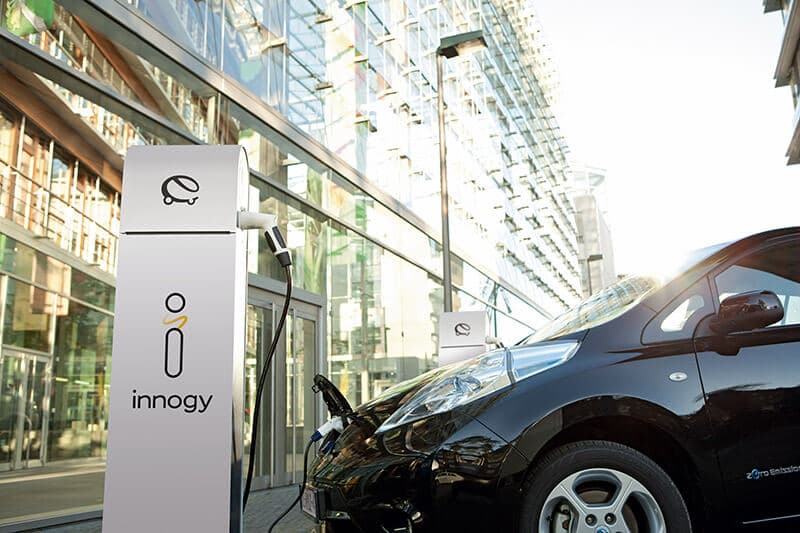
New rules agreed yesterday by European Union member states are intended to ensure more recharging and refuelling stations for cars running on alternative fuels across Europe. The regulation is intended to enable the transport sector to significantly reduce its carbon footprint, according to a statement by the EU Council. KPMG, however, warned that Czechia is not sufficiently prepared to meet the new standards.
Following its formal adoption by the Council yesterday, the new regulation will be published in the EU’s Official Journal after the summer. It will enter into force on the 20th day after publication. The new rules will then apply six months after the regulation enters into force.
“This new legislation is a milestone in our ‘Fit for 55’ policy, which will ensure greater public recharging capacity on city streets and along motorways throughout Europe,” said Spanish Minister for Transport, Mobility and the Urban Agenda Raquel Sánchez Jiménez.
Spain currently holds the EU presidency. “We believe that, in the near future, citizens will be able to recharge their electric cars as easily as they refuel at traditional petrol stations today,” the minister added.
The Alternative Fuels Infrastructure Regulation (AFIR) is part of the “Fit for 55” package. The proposal, presented by the European Commission in July 2021, aims to enable the EU to cut net greenhouse gas emissions by at least 55 per cent by 2030 compared with 1990 levels, and to achieve climate neutrality by 2050.
Under the new regulation, from 2026 recharging stations with a capacity of at least 400 kW must be no more than 60 kilometres apart on all roads in the core European network. Two years later, the minimum required capacity is due to rise to 600 kW. Trucks and buses are to have recharging facilities every 120 kilometres. Hydrogen refuelling stations are to be installed along half of the EU’s main roads by 2028. In addition, drivers must be able to pay at recharging stations by card and contactless, without having to subscribe.
“The EU has once again confirmed that it is clearly moving towards a rapid transition to sustainable transport. Czechia, however, is lagging behind this trend and is not sufficiently prepared to meet the new EU standards, either legislatively or, even less so, in practice,” said Tomáš Kočař, a European law specialist at the KPMG Legal law firm.
KPMG automotive expert Jan Linhart then pointed out that the availability of recharging stations in Czech cities and on major motorways is inadequate and does not meet the required standards. “Expanding recharging capacity will require considerable financial resources, combining investment by private companies with public subsidies,” he said, adding that developments would be highly dynamic and would make it necessary to introduce new technological solutions in the electricity market, using artificial intelligence or remote control of recharging points.
Translation disclaimer
This article is a machine translation of the Czech original and has not yet been fully reviewed. In case of any doubt, please refer to the Czech version.




