A climate breakthrough in construction with carbon-neutral cement
Emissions from producing cement, the world’s most widely used building material, account for about one-twelfth of global carbon dioxide emissions (around three times more than aviation). Yet the issue does not receive enough attention.
Double CO2 release during cement production
Portland cement is the most widely used type of cement in the world. Its production involves firing limestone in a kiln at temperatures of 1 450 °C, which breaks down the minerals into calcium oxide and carbon dioxide. Mixing these with sand, clay and, where applicable, additives and water produces concrete.
The carbon bound in limestone enters the atmosphere as CO2 during production. This means that not only the fossil fuels used to heat the kiln but also the chemical reaction involved in production release carbon dioxide.
Carbon-neutral cement
Oakland-based Brimstone is introducing the first carbon-neutral cement to receive third-party certification confirming that this carbon-negative material is structurally and chemically identical to conventional cement and meets all construction requirements.
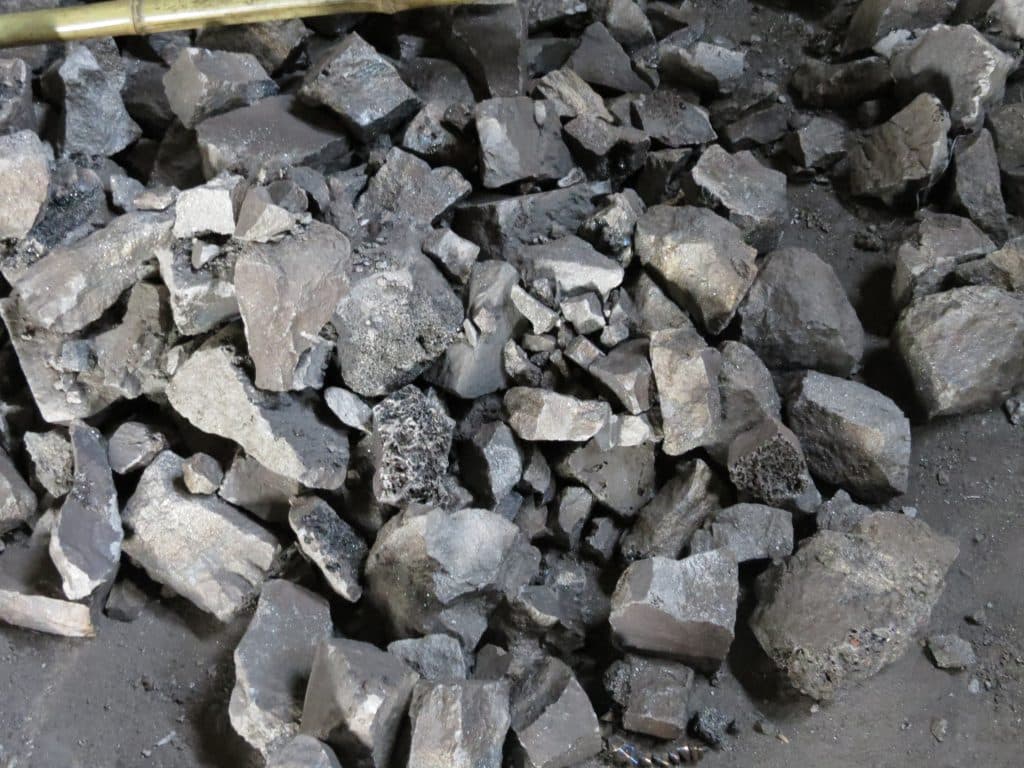
The startup has developed a new method of producing cement. Instead of firing limestone, it uses carbon-free silicate rock. Chemically extracting calcium oxide from silicate does not release carbon dioxide, eliminating up to 60% of production emissions.
Calcium silicate is many times more abundant in nature than limestone. In addition, during calcination (heat treatment), it produces magnesium, which naturally binds with carbon dioxide in the atmosphere.
Brimstone has raised around 60 million dollars, including 500 000 dollars from a federal government agency for advanced research projects. Its major investors include Amazon's Climate Pledge Fund and Breakthrough Energy Ventures, founded by Bill Gates.
Brimstone CEO Cody Finke said, however, that concrete remains a climate problem that attracts relatively little funding compared with emissions from cars or power plants.
Competing with Portland cement is difficult
Although the company has confirmation that its material meets the same standards as conventional cement, it is still difficult to compete with Portland cement, long trusted by architects and engineers and first produced on the British Isle of Portland in the 18th century.
"The biggest barrier to market entry, whether it’s decarbonizing cement or steel or finding an alternative product that can replace one of these construction materials, is the usual testing,"Stacy Smedley, executive director of the nonprofit Building Transparency, which focuses on decarbonizing the construction industry, told The Washington Post.
Smedley added that, because lives are at stake if a building collapses, construction is a risk-averse sector.
Translation disclaimer
This article is a machine translation of the Czech original and has not yet been fully reviewed. In case of any doubt, please refer to the Czech version.