9 October 2026, 06:22
Loading...
Czech government only partially adopts emissions trading expansion, risking fines
Ekonews.cz
2 December 2024, 14:15
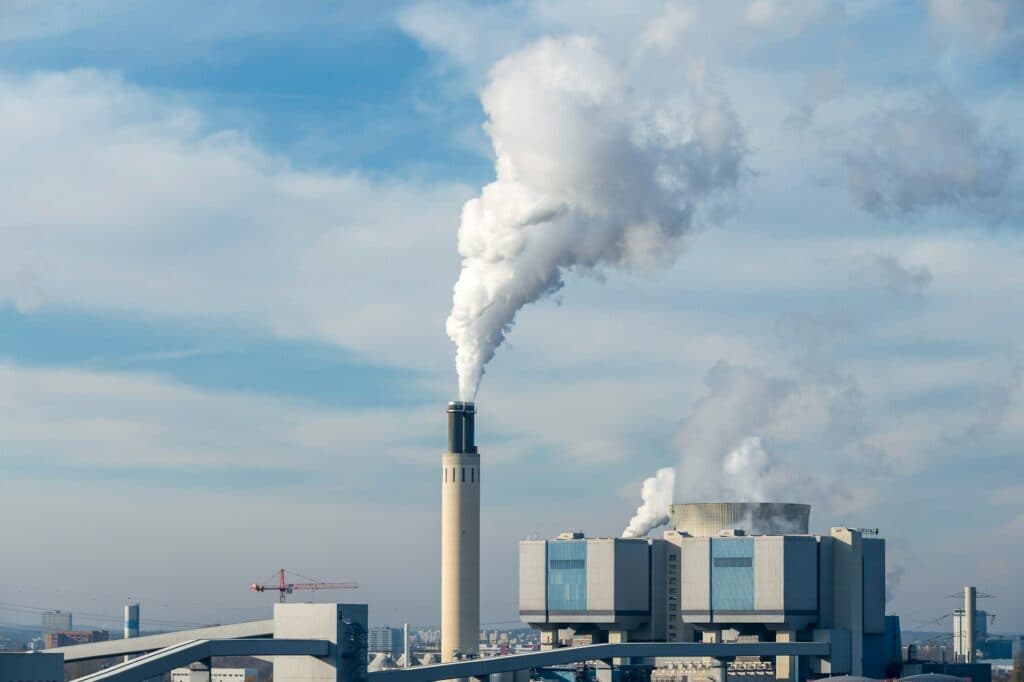
After a long delay, the government has adopted the expansion of the emissions allowance system, but only partially. Full adoption would have spared us a potential fine, but that will apparently be a task for the next cabinet.
Last Friday, MPs considered at third reading an amendment to the Emissions Trading Act, which includes extending allowances (payments) for greenhouse gas emissions to the fossil-fuel local heating and road transport sectors. For now, MPs have approved only the obligation for fossil fuel suppliers to monitor and report their emissions volumes.
The government was meant to transpose the entire directive, including trading in the new allowances, into national legislation as early as June this year, but it appears it will leave the unpopular measure to the next government. In doing so, it is overlooking the directive's benefits and the potential penalties for failing to adopt it.
A bogeyman that need not be feared
The Emissions Trading System 2 is a new part of the emissions allowance trading system, building on emissions trading for large factories, heating plants and coal- or natural gas-fired power plants, known as ETS 1. Under the emissions trading system, polluters pay for greenhouse gas emissions from their activities by purchasing so-called emissions allowances. This mechanism is designed to incorporate into the price of fossil fuels the damage caused by burning them and to encourage a shift towards low-emission and renewable energy sources.
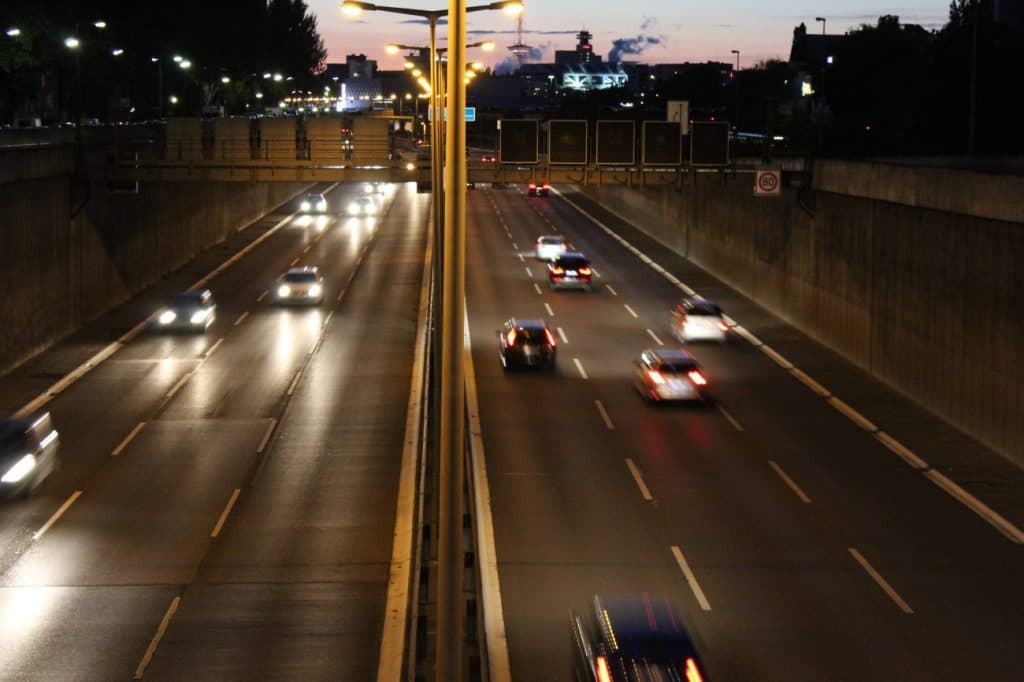
The new ETS 2 phase is to extend emissions allowances to road transport and local building heating, areas with major potential for emissions reductions. The system is due to apply across the European Union from 2027.
Revenues from allowances sold in Czechia will not disappear. On the contrary, the state is expected to be a net recipient of trading revenues, which it must use for climate measures and investment. Allowances will therefore be an important source of funding needed for the energy transition, heating modernisation or, for example, improvements to public transport.
ETS 2 includes both financial and structural support for the most vulnerable households that lack access to finance. This can be used, for example, for subsidies supporting heating modernisation or the purchase of a more environmentally friendly car, through the Social Climate Fund. Overall, ETS 1 and ETS 2 therefore represent a step towards sustainability, environmental responsibility and economic stability, and we should view them as an opportunity rather than a threat.
We already have social problems; climate measures can provide solutions
The government long postponed adopting the legislation needed to introduce the system in Czechia, and even now it has adopted only half of it. Yet if the ETS 2 amendment is not incorporated into Czech legislation in full and on time, fines or delayed access to funding from the aforementioned Social Climate Fund could follow. The EU has already launched infringement proceedings against Czechia over the missing National Energy and Climate Plan, and proceedings have now also begun over the failure to adopt ETS 2. Many other EU countries are in the same position and are delaying the adoption of allowances for households.
The media often make a simplistic link between climate measures and rising prices, as well as growing energy and transport poverty. Yet climate policies, including ETS 2, can be an effective tool for addressing current social problems, provided the government seizes the opportunity. Conversely, its inaction and postponement of solutions may deepen social inequalities even further. In addition to addressing the climate crisis itself, climate policies have the potential to deliver investment, new employment opportunities and lower costs for households.
Although the introduction of emissions allowances may slightly increase energy and fuel prices, it is important to recognise that transport and energy poverty have existed in Czechia for a long time. These problems worsened significantly during the energy crisis that broke out after the start of Russia's war in Ukraine. The main culprit was high gas prices, not emissions allowances.
At present, 3% of domestic households face transport poverty and 2.7% face energy poverty. The introduction of ETS 2 and the accompanying Social Climate Fund have the potential to provide systematic support to vulnerable households. They can fund support for low-income households so that they can free themselves from high energy consumption and dependence on fossil fuels with unpredictable prices. However, revenues must genuinely be invested in programmes that help transform household energy use, transport services and electrified public transport. The government holds this decision in its hands.
The cost of inaction
What, conversely, is the cost of inaction? Europe is currently facing unprecedented warming, with this summer being the hottest since records began. In Czechia, warming is occurring twice as fast as the global average. Without emissions reductions, scientists say extreme floods such as those in September will be twice as frequent and up to 7% more intense. These are alarming figures.
Climate measures can help us mitigate these threats and prepare society for their impacts. Although they are financially costly, the benefits of their implementation and the resulting revenues far outweigh this investment. Ambitious decarbonisation plans in line with the 1.5°C target could bring the European Union at least €1 trillion by 2030 through the development of new economic sectors and modernisation.
For Czechia, the co-benefits of rapid emissions reductions would amount to approximately CZK 439 billion, i.e. 6.8% of GDP, by 2030. Climate measures could also increase new employment opportunities by up to 2.5%, thereby raising employment compared with inaction. Inaction, by contrast, would cost up to four times more, with the most vulnerable groups of the population bearing the burden—groups whose needs are still rarely discussed in high-level politics.
With contributions from the authors of a factsheet prepared as part of a media workshop.Republished from the online portal EkoNews.cz, a website covering business and sustainability.
Translation disclaimer
This article is a machine translation of the Czech original and has not yet been fully reviewed. In case of any doubt, please refer to the Czech version.
Sdílejte článek prostřednictvím:
You might also like
8 October 2026, 10:05