
22 September 2026, 14:20
Loading...
Czech PM Babiš calls changes to emissions allowances the government's main task

oEnergetice.cz, ČTK
20 February 2026, 13:28
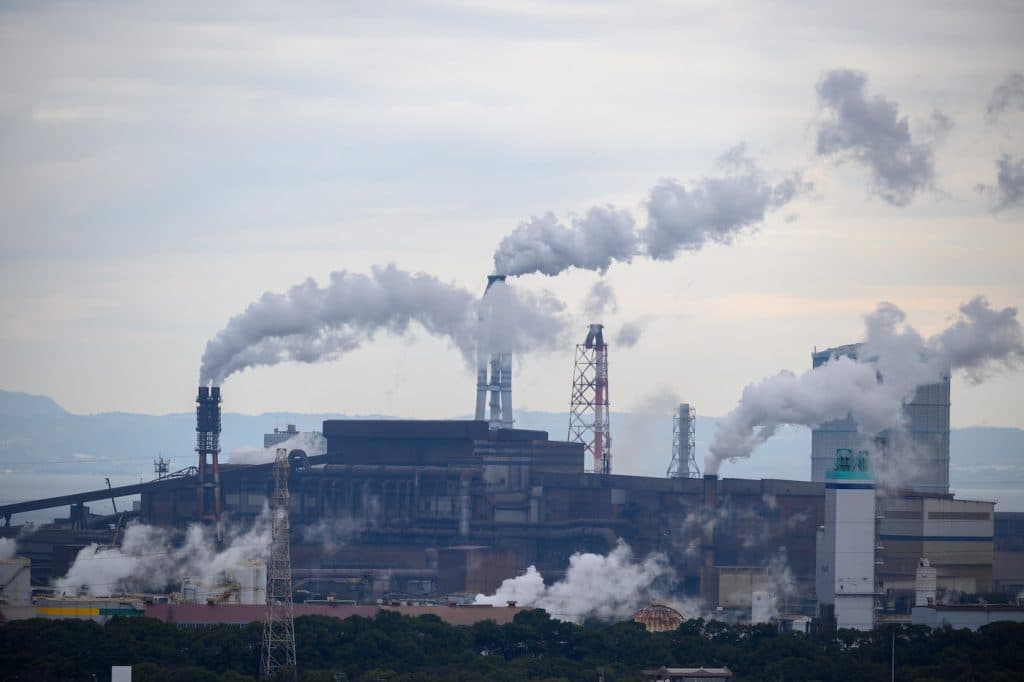
Prime Minister Andrej Babiš (ANO) considers securing changes to emissions allowances in the European Union to be the government’s main task. He said this today when presenting his cabinet’s economic strategy, entitled Czechia: A country for the future 2.0. He also listed healthcare and construction aimed at making housing more affordable among the most important topics of the document, which the government approved on Monday.
Babiš today described the allowance system as an absolute catastrophe, on which Czechia has so far lost almost CZK 160 billion. Building a coalition of countries that he described as friends of European competitiveness is, he said, a task to which he will subordinate everything else. The Czech position calling for changes to the ETS1 emissions allowance system is supported by Italy, Germany, Austria, Slovakia, Poland and Hungary.
According to the cabinet, the economic strategy is intended to create conditions for economic growth. It contains measures through which the government wants to improve the business environment. It focuses on energy and energy self-sufficiency, education, labour market flexibility, research and innovation, construction and housing, transport and reducing bureaucracy. On Monday, Babiš said that the strategy builds on the previous government’s plan, which Petr Fiala’s (ODS) cabinet had unfortunately “shelved”.
The document contains plans for a four-year period. Babiš told business representatives who came to the Finance Ministry building today to see the strategy presentation that he feels pressure to resolve problems weighing on industry as quickly as possible. He stressed that all points of the programme have a timetable, the implementation of which will be closely monitored by a team of his associates. People responsible are already in place at each of the relevant ministries. In this context, he corrected the established description of his working style, saying that the state is not a company, even though he runs the government like a company.
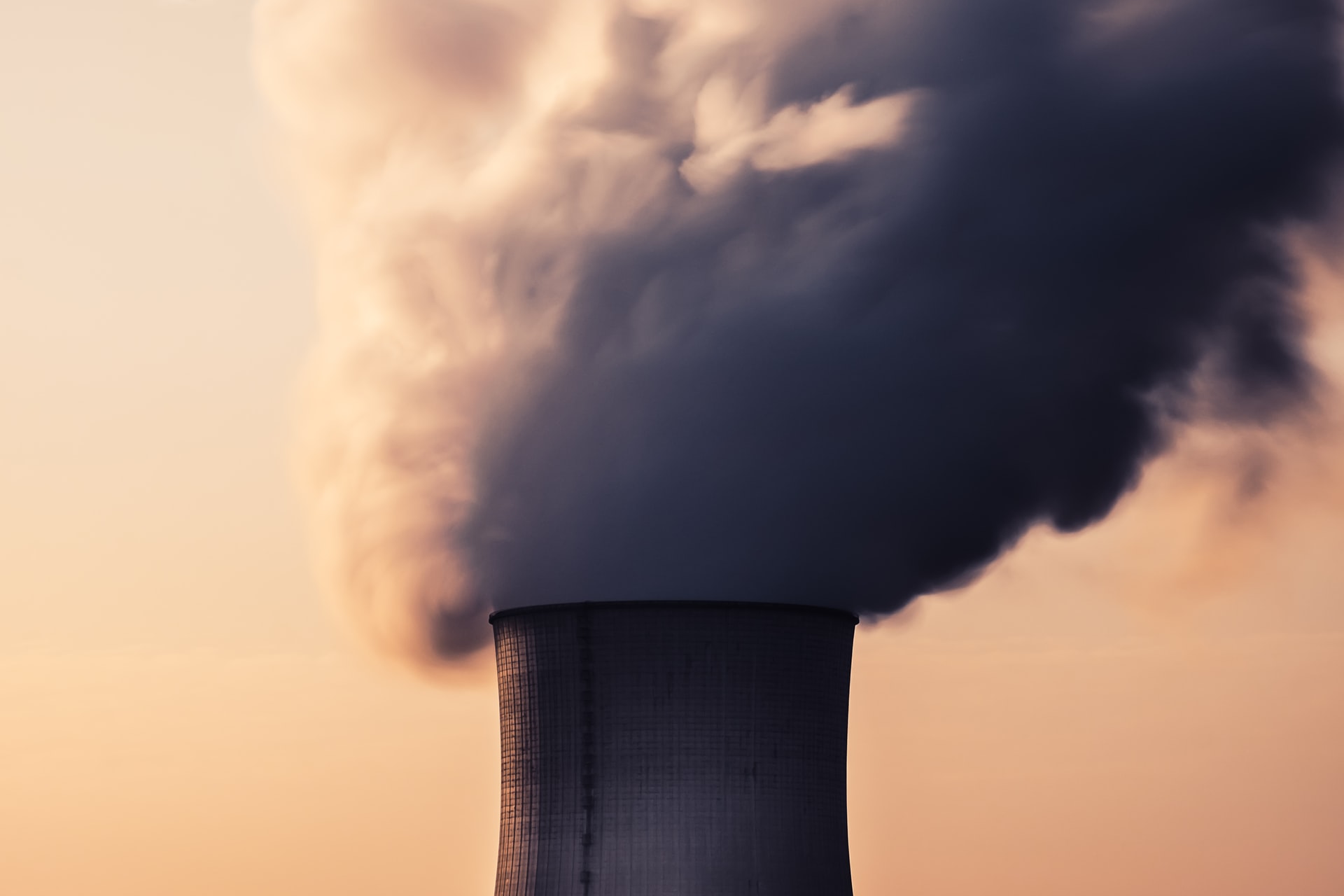
Source: Thomas Millot / Unsplash
Babiš praised Deputy Prime Minister Karel Havlíček (ANO) for the strategy, whose preparation he devoted two and a half years to. According to him, all ministers will assess every six months how they are fulfilling the policy statement. Alongside allowances, the prime minister considers healthcare to be his own main issue. “It must be such that future generations are healthy and people live to an old age in good health. I devote time to this from morning until evening,” he said.
The main priority is to reduce energy prices, with changes to allowances also expected to help. The prime minister recalled that, according to the European Commission’s 2020 forecast, the price of an emissions allowance in 2025 was supposed to be EUR 26.50 per tonne of carbon dioxide (CO2). “Yet the average was EUR 87,” Babiš said. Allowances have become the subject of speculation, and the EU is losing competitiveness against other regions because of them. “We are determined; we will do everything to change this,” he said regarding changes to the allowance system.
The European Union introduced the emissions trading system (ETS 1) in 2005. It applies primarily to the energy sector, energy-intensive industry and aviation. It sets an overall limit on carbon dioxide emissions, while companies must surrender a corresponding allowance for every tonne of carbon dioxide emitted.
Translation disclaimer
This article is a machine translation of the Czech original and has not yet been fully reviewed. In case of any doubt, please refer to the Czech version.
Sdílejte článek prostřednictvím:
You might also like
22 September 2026, 12:50
22 September 2026, 06:09
21 September 2026, 15:25