25 October 2026, 21:21
Loading...
ETS 2 to add costs for refineries; Czech analysts see another cause of high fuel prices

oEnergetice.cz, ČTK
10 September 2026, 15:21
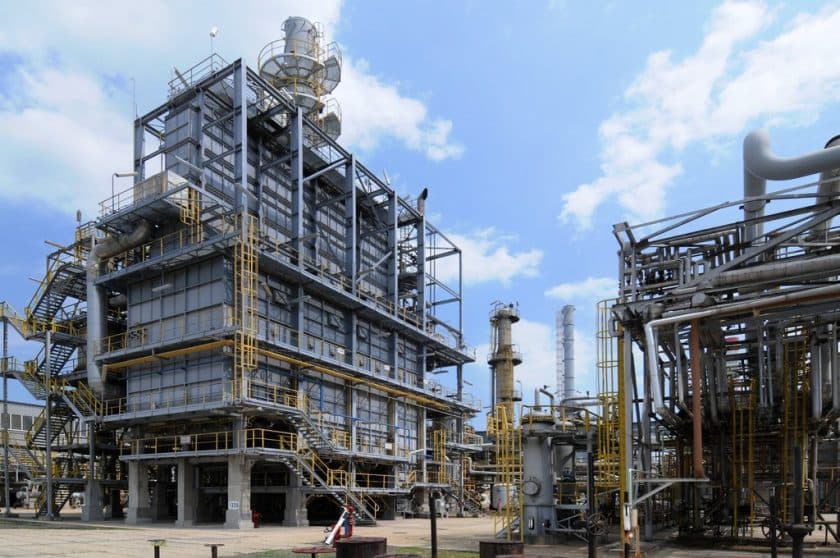
The planned ETS 2 emissions allowance system will raise refinery costs and will therefore be reflected in fuel prices in the future. However, it is not the reason for the current rise in fuel prices. This follows from analysts’ comments to the Czech News Agency (ČTK). Prime Minister Andrej Babiš (ANO) today pointed to ETS 2’s negative impact on the refining industry, saying that the launch of the system should therefore be postponed.
ETS 2 envisages extending the allowance system to further sectors, particularly road transport and building heating. Its launch is planned for 2028, and critics say it will also indirectly affect households and small businesses through higher fuel and energy prices. The introduction of ETS 2 is also to include a Social Climate Fund intended to mitigate the impact on low-income households.
According to Petr Lajsek, an analyst at Purple Trading, the ETS 2 allowance system is not the main reason for the current rise in fuel prices. However, he acknowledged that it represents an additional cost that will be reflected in fuel prices in the future. “The principle is fairly simple. ETS 2 will not be paid directly by drivers, but by fuel suppliers, which will have to purchase emissions allowances according to the volume of emissions generated by burning the fuels they sell. The cost will then very likely be passed on to wholesale and retail prices,” Lajsek explained.
However, he noted that European refineries already face significantly higher regulatory and energy costs than some competitors outside Europe. “Adding another carbon cost will therefore undoubtedly worsen their competitiveness. For some older and less efficient refineries, it may accelerate the decision to cease operations in the long term,” Lajsek said. However, he does not expect a mass exodus of refineries from Europe, saying their future will be determined primarily by the overall economics of refining, crude oil availability, energy prices, emissions regulation, investment costs and, above all, the ability to compete with imports.
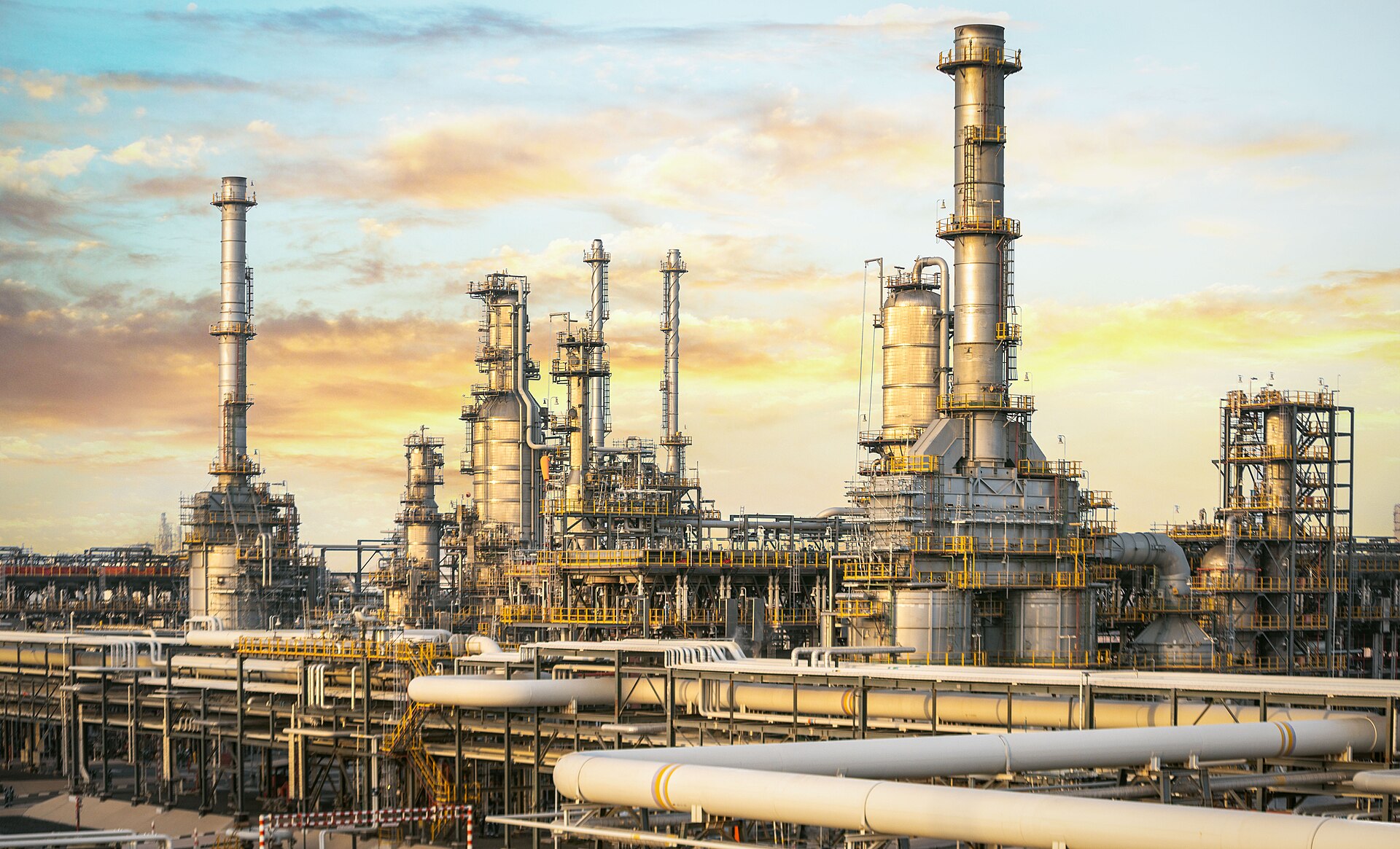
ADNOC Refining refinery in Ruwais, United Arab Emirates. Source: Wikimedia Commons / CC-BY-SA-4.0 / Rickmaj
According to Lajsek, postponing ETS 2 would help in the short term, but would not in itself solve the problem of high fuel prices. In his view, the current problem lies in the market situation. In addition to expensive crude oil, refining margins are also rising dramatically. They are increasing as a result of insufficient capacity. Lajsek would therefore currently consider a combination of releasing strategic fuel reserves, temporarily reducing excise duty, especially on diesel, and more rigorous monitoring of margins at filling stations to be more meaningful.
Radim Dohnal, an analyst at Capitalinked.com, also confirmed the impact of ETS 2 on oil refineries in the EU. “Their output will become artificially more expensive, so their sales will decline and efficiency will fall even further, while fixed-cost absorption will deteriorate. Refineries can easily fall into losses. At a time of record-high crude oil prices, the new allowance will cause harm,” he explained. In his view, postponing the introduction of the new allowance is therefore currently even more important than before.
However, European refineries, transport, industry and households would benefit even more if European leaders, including Babiš, explained to the US and Israel that their war with Iran is very costly for Europe because of high oil and gas prices. “It is therefore costly even though we have not become militarily involved,” Dohnal added.
Translation disclaimer
This article is a machine translation of the Czech original and has not yet been fully reviewed. In case of any doubt, please refer to the Czech version.
Sdílejte článek prostřednictvím:
You might also like
25 October 2026, 08:20