China makes 85% of lithium-ion batteries. Why Chinese manufacturing dominates the world today
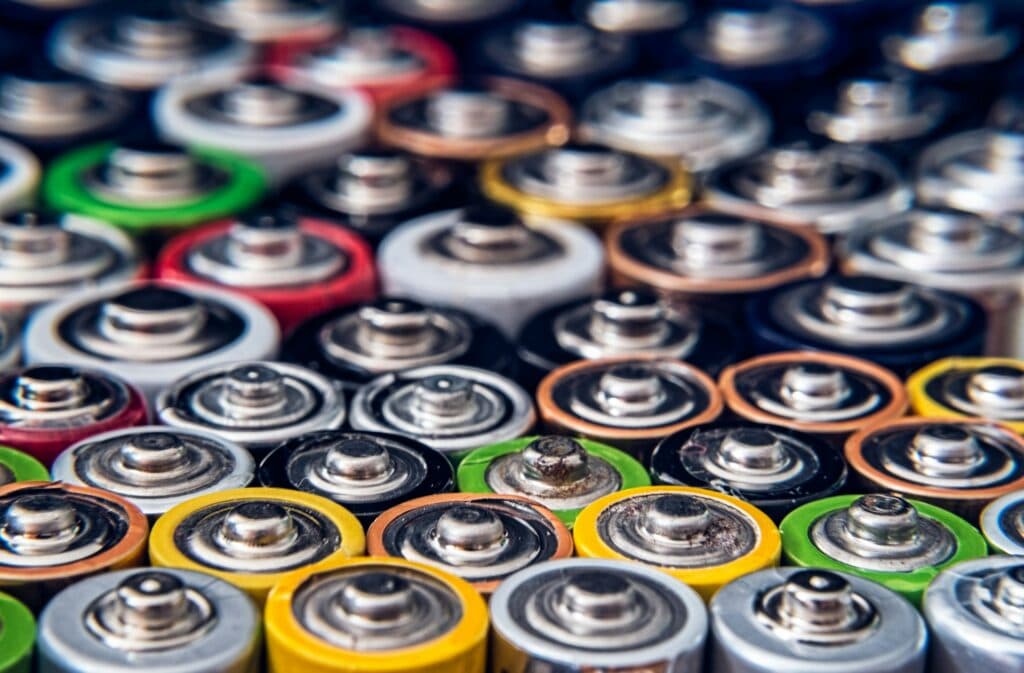
Lithium-ion batteries are now one of the key technologies in modern energy. They underpin the growth of electric mobility, help stabilise power grids and are increasingly being used in data centres, robotics and drones. According to the International Energy Agency (IEA), the global lithium-ion battery market is now worth more than $150 billion. Their journey from laboratory research to an industrial sector has taken several decades.
Modern research into lithium-ion batteries gained momentum after the 1973–1974 oil crisis. Publicly funded universities and laboratories in the US, Europe and Japan began seeking ways to reduce dependence on imported oil. Advanced batteries were expected to enable the electrification of road transport and the storage of electricity from renewable sources.
However, the first commercial success did not come from the automotive industry or the energy sector. Japanese electronics companies recognised the technology's potential for portable devices. The first pre-commercial prototype was developed in 1986, followed by a commercial product in 1991. Compact and lightweight batteries were ideal for electronics, whose manufacturers were also able to absorb their then-high cost.
Another major shift came from South Korea. Thanks to new flat and flexible designs, Samsung overtook Japan's Panasonic in 2011 to become the largest producer of lithium-ion batteries. However, the real breakthrough came with the rise of electric mobility. By 2025, global annual demand for batteries had grown nearly a thousandfold compared with 2000, while the inflation-adjusted average price of cells had fallen by 97%.
China: From latecomer to leader
As recently as 2010, Japanese and Korean companies dominated the battery industry. Today, the situation is fundamentally different. China produces more than 70% of the world's electric vehicles and around 85% of lithium-ion batteries.
This shift is the result of decades of industrial policy. Electric mobility was included among strategic sectors in four consecutive five-year plans. The state supported demonstration projects, such as electric buses for the 2008 Beijing Olympics, and subsequently introduced consumer subsidies and other forms of demand support.
Protection of the domestic market also played a key role. Between 2015 and 2019, subsidies were available only for vehicles using batteries from approved suppliers, all of which were Chinese. China also supported domestic mining and processing of raw materials and invested in mineral-rich countries, including the Democratic Republic of the Congo and Indonesia.
What can be learned from China's experience?
According to the IEA, building a competitive battery industry requires a combination of scientific know-how and the ability to master precise mass production. It also requires sufficiently large and predictable demand, patient capital and long-term political support. Creating a large domestic market for electric vehicles may have been China's most significant intervention.
However, conditions are more challenging today. Manufacturing processes are more complex, innovation is faster and competition is stronger. The question remains whether Europe's goal should therefore be complete self-sufficiency, or a combination of its own technological know-how, sufficient demand and cooperation with established Asian manufacturers. Such an approach can help create more resilient supply chains and reduce strategic dependence on a single region.
Translation disclaimer
This article is a machine translation of the Czech original and has not yet been fully reviewed. In case of any doubt, please refer to the Czech version.