22 September 2026, 14:20
Loading...
Havlíček: Czech state must help energy-intensive industry, will expand compensation

oEnergetice.cz, ČTK
21 February 2026, 15:32
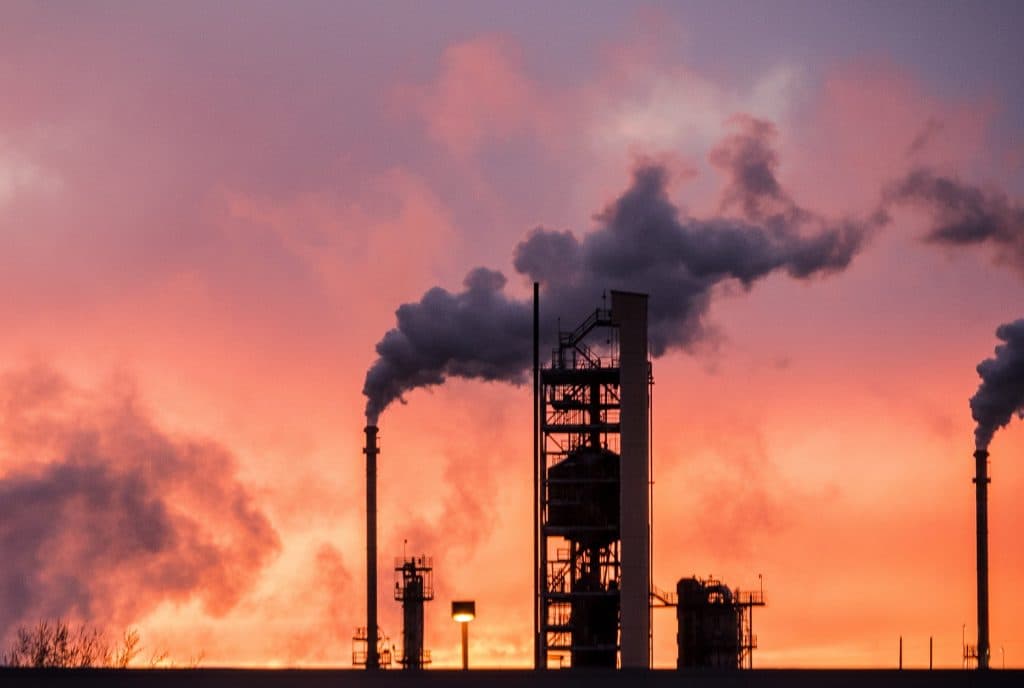
The state must help energy-intensive industry, which is rapidly losing competitiveness due to expensive emissions allowances and energy. Industry and Trade Minister Karel Havlíček (ANO) said this today on TV Nova. He confirmed that the Ministry of Industry and Trade (MPO) will expand this year the scheme under which it compensates industrial companies for part of the indirect costs associated with emissions.
Compensation for indirect costs was first paid in Czechia in 2021, and the state has so far paid companies billions of crowns under the scheme. It applies to companies facing a significant risk of so-called carbon leakage as a result of greenhouse gas emission costs being passed on into electricity prices.
According to the authorities, carbon leakage may occur in selected manufacturing sectors if electricity costs for industrial entities rise due to increasing emissions allowance prices to such an extent that their operations are shut down in an EU member state and production is moved to countries with lower operating costs – that is, countries that place less emphasis on reducing emissions. As a result, global greenhouse gas emissions then increase.
"We must help energy-intensive companies in order to keep them here," Havlíček said today.
This includes sectors such as metallurgy, steelmaking, the chemical and ceramics industries, glassmaking, and the textile and paper industries. In this context, Havlíček noted that in recent years some companies have begun moving their operations outside Europe, where their costs are significantly lower.
According to him, the scheme should therefore be expanded to companies from a total of 36 industrial sectors, up from 14 sectors currently. The list will include, for example, the manufacture of glass fibres and technical glass, specialised textile production, additional sectors in the chemical and forging industries, and others. Support for companies itself should also increase slightly.
The expansion of the scheme is part of the approved economic strategy, which the government presented to the public on Friday. It focuses on energy, education, research and innovation, construction and housing, and transport. According to the document, the government wants to base economic growth on the private sector, with the strategy intended to create suitable conditions for this.
According to industry associations, the strategy is heading in the right direction, but its success will only be determined in practice. The opposition also praised the framework of the plan, but sees problems in its implementation, funding and the lack of an assessment of its economic impacts.
Former Industry and Trade Minister Lukáš Vlček (STAN) said today that the strategy builds on his work in many respects. On the other hand, he said, the strategy is inconsistent with the draft state budget. He cited cuts in spending on science and research and security, as well as insufficient funding for housing.
Translation disclaimer
This article is a machine translation of the Czech original and has not yet been fully reviewed. In case of any doubt, please refer to the Czech version.
Sdílejte článek prostřednictvím:
You might also like
22 September 2026, 12:50
22 September 2026, 06:09
21 September 2026, 15:25