10 November 2026, 10:23
Loading...
World first: EU launches first phase of carbon border tariff system over the weekend

Eduard Majling
4 October 2023, 07:10
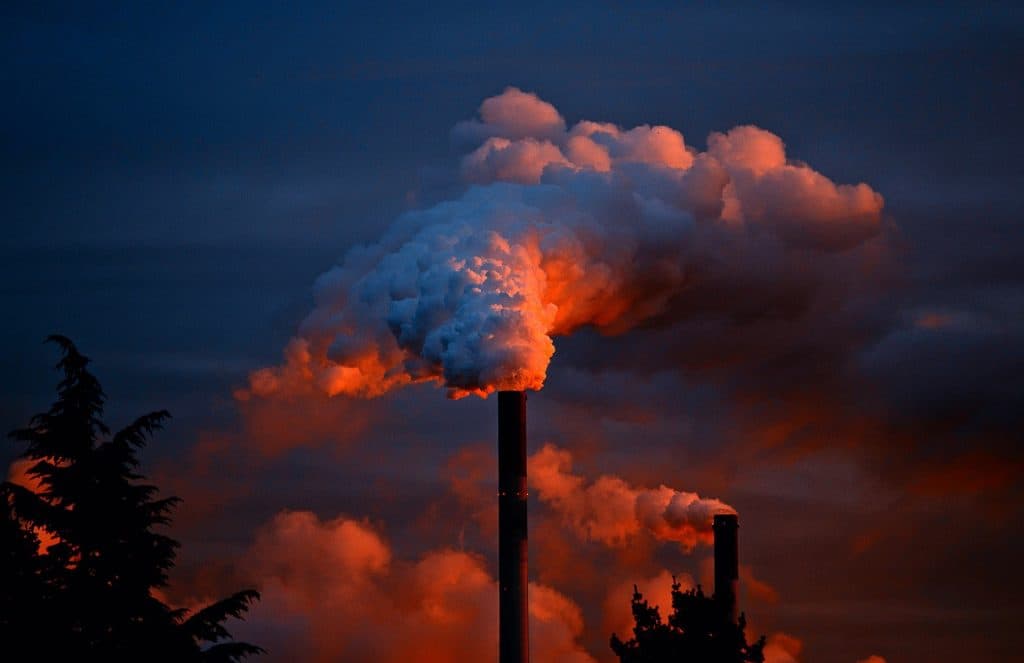
With October’s arrival, the European Union launched the first phase of the world’s first system to charge for emissions from imported goods. In addition to protecting its own climate ambitions, the EU hopes that introducing carbon tariffs will help extend them to the global level. During the first phase, however, importers will not yet have to pay any tariffs.
The European Union and its member states have long been discussing how to charge for emissions from imported products that, because they are made outside the EU, are not subject to the local ETS. The first phase of the so-called Carbon Border Adjustment Mechanism (CBAM), a form of carbon tariff, began over the weekend.
The carbon tariff system has drawn criticism from the EU’s trading partners. According to Reuters, China’s special envoy for climate change, Xie Zhenhua, recently urged other countries not to resort to similar unilateral measures at a forum.
The carbon tariff system will initially apply in the European Union to imports in selected emissions-intensive sectors considered to face a greater risk of carbon leakage: cement, iron and steel, aluminium, fertilisers and electricity. For now, however, importers will not have to pay for emissions from imported goods; this phase will begin in 2026.
For now, importers will have to collect and report data on emissions generated during the production of the commodities listed above. From 2026, they will then have to buy emissions allowances, like many local producers who are already subject to the EU’s emissions pricing system.
European Commission representatives said, according to Reuters, that the carbon tariff system complies with World Trade Organization rules. Both importers and producers in local markets are subject to emissions charges. They can also deduct from the tariffs any emissions charges already paid outside the EU.
According to Paolo Gentiloni, the European Commissioner for the Economy, the carbon tariff system is intended, among other things, to prevent manufacturers from moving out of the EU to countries with lower environmental protection standards.
“CBAM is not about protecting trade. It is about protecting the EU’s climate ambitions and seeking to elevate climate ambitions to the global level,” Gentiloni said in a statement sent to Reuters.
Carbon tariffs could also spread beyond the EU
Although the EU is a pioneer in carbon tariffs, other parts of the world are considering similar systems. The possibility of introducing carbon tariffs was recently raised by Australia’s federal government.
Climate Change and Energy Minister Chris Bowen specifically said the department would launch two rounds of consultations on whether Australia should adopt a domestic CBAM. One of the aims, he said, is to protect domestic companies that are already subject to environmental regulation.
Translation disclaimer
This article is a machine translation of the Czech original and has not yet been fully reviewed. In case of any doubt, please refer to the Czech version.
Sdílejte článek prostřednictvím:
You might also like
10 November 2026, 09:48

10 November 2026, 06:21