Five EU countries have already ended coal-fired power generation, while China expands capacity

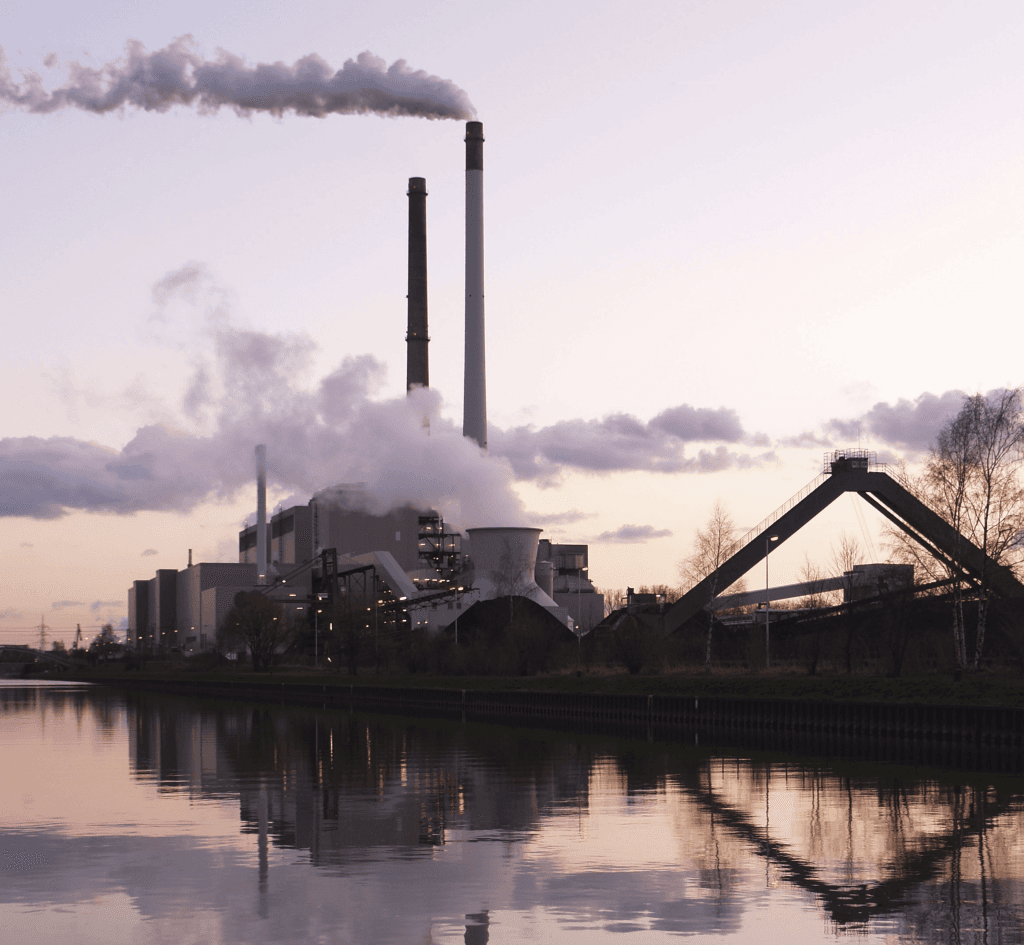
Selected figures on coal-fired power plants worldwide, as Britain’s last coal-fired power plant, Ratcliffe-on-Soar, closes on 30 September:
– Construction of Britain’s last coal-fired power plant, Ratcliffe-on-Soar, began in September 1963, and it entered service on 31 January 1968. The UK’s last coal-fired power plant will close on 30 September, more than 140 years after the world’s first coal-fired power plant opened in London in January 1882.
– The closure of coal-fired power plants in Europe is currently a controversial topic. In April this year, G7 ministers pledged, with exceptions, to phase out coal by 2035. The European Union (EU) is also planning to phase out coal as part of the Green Deal, its strategy for achieving climate neutrality by 2050. This is followed by the Fit for 55 package, which aims to cut greenhouse gas emissions in the EU by 55 percent by 2030 compared with 1990. Under the 2015 Paris Agreement, coal-fired power plants need to be taken offline by 2040 to meet the target of limiting global warming to 1.5 degrees Celsius above pre-industrial levels.
– However, following Russia’s invasion of Ukraine in February 2022 and the associated problems with Russian gas supplies to Europe, some countries, in their search for alternatives, pushed back the deadline for ending coal-fired power generation or temporarily restarted plants that had already closed.
– According to beyondfossilfuels.org, Belgium became the first EU country to completely phase out coal-fired power generation in 2016. Austria, Sweden and Portugal followed, and Slovakia joined them this year. “At the end of March 2024, the last coal-fired power plant in Slovakia ceased operations. With this historic step, Slovakia brought its coal-fired electricity generation era to a close and joined the prestigious list of countries around the world that generate clean electricity without using fossil fuels,” Slovenské elektrárne wrote on its website.
– This trend is set to continue: around half of Europe’s coal-fired power plants are expected to be retired by 2030, and most European countries plan to end coal use completely by 2040.
– For example, in Germany, Europe’s largest coal power, the Social Democrats, Greens and liberals agreed in their coalition agreement to try to bring forward the end of coal-fired electricity generation from 2038 to 2030.
– Poland’s former national-conservative Law and Justice (PiS) government wanted to keep coal in use until 2049, with renewables expected to generate less than half of the country’s electricity in 2030. The new government, however, plans a faster phase-out of coal, with 2040 being discussed.
– France, another former coal power, wants to stop using coal-fired power completely by 2030. The country currently has two coal-fired power plants remaining, at Cordemais near Nantes and Saint-Avold in the northeast, which can be brought back into operation if needed.
– The Czech government plans to phase out coal-fired electricity generation by 2033.
– According to the Ember research institute, Europe had 324 coal-fired power plants in 2016, but their number had halved by 2022. Last year, coal accounted for 13 percent of electricity generation in the EU’s 27 member states, while renewables’ share rose to 44.7 percent and nuclear power plants accounted for about one quarter.
– Worldwide, coal (hard coal and lignite) generated 35.5 percent of all electricity consumed last year, according to Ourworldindata.org (OWID), making it the largest source by far. Natural gas ranked second (22.5 percent), followed by hydropower (14.3 percent), nuclear power plants (9.1 percent), wind power (7.8 percent) and solar power (5.5 percent).
– According to the independent Global Energy Monitor (GEM), global coal-fired power capacity increased by two percent last year, its highest growth since 2016. New construction in China and delays in retiring old plants in a number of countries contributed to the increase. Coal-fired power plants with a total capacity of 69.5 gigawatts (GW) came online worldwide last year, including 47.4 GW in China. Capacity outside China also increased for the first time since 2019. A total of only 21.1 GW of capacity was retired worldwide, meaning net additions amounted to 48.4 GW for the year, the highest figure since 2016. Total coal-fired power capacity therefore stood at 2130 GW at the end of the year.
– Almost 80 percent of global coal production comes from the Asia-Pacific region. The largest producers include China, which accounts for more than 50 percent of coal production, India, the US, Australia and Indonesia.
Translation disclaimer
This article is a machine translation of the Czech original and has not yet been fully reviewed. In case of any doubt, please refer to the Czech version.




