
23 October 2026, 11:01
Loading...
IEA: Russia’s oil revenues fall to one of lowest levels since start of war

oEnergetice.cz, ČTK
11 September 2025, 17:04
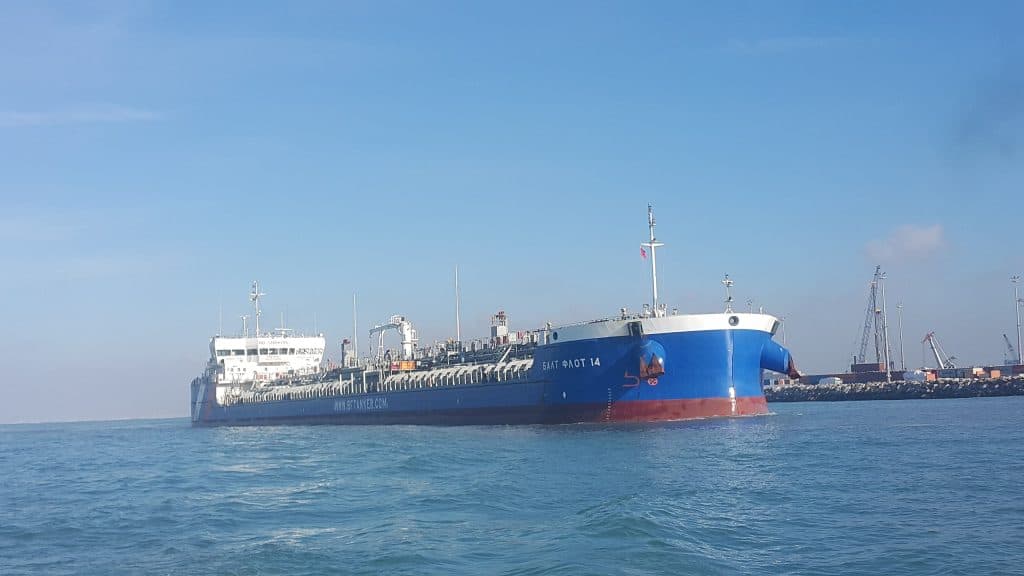
Russia’s revenues from sales of oil and petroleum products fell in August to one of their lowest levels since the start of the war in Ukraine, the International Energy Agency (IEA) said today. Russia’s energy industry is contending with Ukrainian drone attacks on oil refineries and export pipelines, as well as the impact of Western sanctions.
Revenues fell by $920 million from July to $13.51 billion (more than CZK 282 billion) as exports of crude oil and fuels declined. The widening discount on Russian Urals crude also played a role, with its price falling to around $56 a barrel, below the $60-per-barrel price cap set by Western countries.
“Russia’s oil export revenues remain close to a five-year low, reducing tax revenues and deepening the slowdown in the Russian economy,” the agency said.

Source: Pixabay. Oil refinery
Exports of crude oil and fuels from Russia fell by 70,000 barrels per day in August to 7.3 million barrels per day, according to the agency. Crude oil exports fell by 30,000 barrels per day, while exports of refined products declined by 40,000 barrels per day.
Oil production in Russia fell by 30,000 barrels per day in August to 9.3 million barrels per day, in line with the production quotas set by the OPEC+ group. It comprises members of the Organization of the Petroleum Exporting Countries (OPEC) and their allies, including Russia.
Ukraine, which is in the fourth year of defending itself against Russia’s full-scale military invasion, is seeking to destroy infrastructure considered crucial to Moscow’s military efforts. Russian power plants, gas pipelines and oil pipelines have all been targeted. Last week, for example, Ukraine struck the Russian Druzhba oil pipeline again. Slovakia and Hungary continue to receive oil through Druzhba, and their governments reacted negatively in August to supply disruptions caused by Ukrainian attacks.
Translation disclaimer
This article is a machine translation of the Czech original and has not yet been fully reviewed. In case of any doubt, please refer to the Czech version.
Sdílejte článek prostřednictvím:
You might also like


23 October 2026, 06:34

