Oil prices fell in 2025; what will happen in 2026?

Despite a modest rise in recent days, oil prices generally trended downward over the past year. Since the start of 2025, they have fallen by around 15%, mainly due to wars, rising tariffs, sanctions against oil producers and increased production by OPEC+ members.
According to analysts who spoke to Reuters, oil prices could fall as low as USD 55 per barrel. Demand and the market are then expected to stabilise, pushing oil prices to USD 60 per barrel. Supply from shale oil producers is also expected to be much more consistent and less sensitive to price fluctuations in 2026.
Brent crude futures fell 18% over the past year, the steepest year-on-year percentage decline since 2020. The downward trend continued for a third consecutive year, marking the longest such run. US West Texas Intermediate crude was heading for a 19% year-on-year decline.
At the start of 2025, the US oil market was shaped by America’s imposition of tougher sanctions on Russia. Former President Joe Biden was nearing the end of his term at the time. The decision had a major impact on supplies to the main importing countries, China and India. The situation on global markets gradually intensified as attacks on energy infrastructure increased, particularly Russian infrastructure.
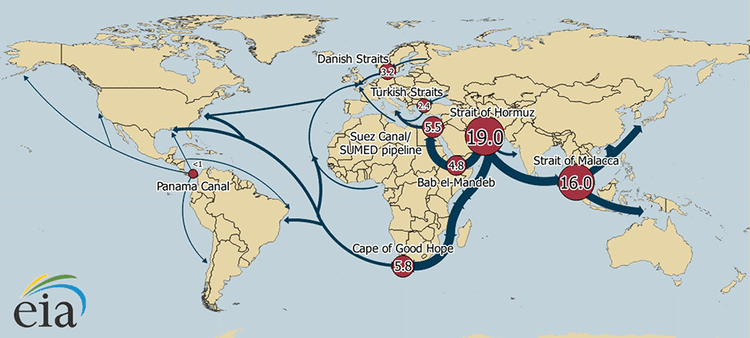
The conflict between Iran and Israel further fuelled tensions during the year, significantly threatening supplies, primarily by increasing the risk of disruption to shipping in the Strait of Hormuz. The strait is one of the most important routes for the global transit of oil, and the threat drove prices higher.
In recent weeks, OPEC’s biggest producers, Saudi Arabia and the United Arab Emirates, have been drawn into a crisis over Yemen, while US President Donald Trump ordered a blockade of Venezuelan oil exports and threatened another strike on Iran.
What will the oil market look like in 2026?
OPEC+ responded quickly to these geopolitical developments by increasing its own production. Combined with concerns about the impact of US tariffs, which have slowed global economic growth and made demand more cautious, this led to falling oil prices.
OPEC+, which brings together the Organization of the Petroleum Exporting Countries and its allies, suspended oil production increases for the first quarter of 2026 after releasing around 2.9 million barrels per day onto the market since April. The next OPEC+ meeting will take place at the very start of this year, on 4 January.
Given the increase in supply from OPEC+, analysts predict that the oil market will reach a point where supply exceeds demand. Estimates range from 3.84 million barrels per day, according to the International Energy Agency, to 2 million barrels per day, according to Goldman Sachs.
OPEC+ is not expected to activate stabilisation measures by cutting production until prices fall to USD 50 per barrel. Until then, geopolitical risks are expected to support oil prices, even though all market fundamentals point to a continued oversupply. Some even expect the current trend of falling prices to continue.
Translation disclaimer
This article is a machine translation of the Czech original and has not yet been fully reviewed. In case of any doubt, please refer to the Czech version.