
23 October 2026, 14:38
Loading...
Czech electricity generation fell 5.6% year on year in the first half, consumption also declined

oEnergetice.cz, ČTK
19 August 2024, 13:52
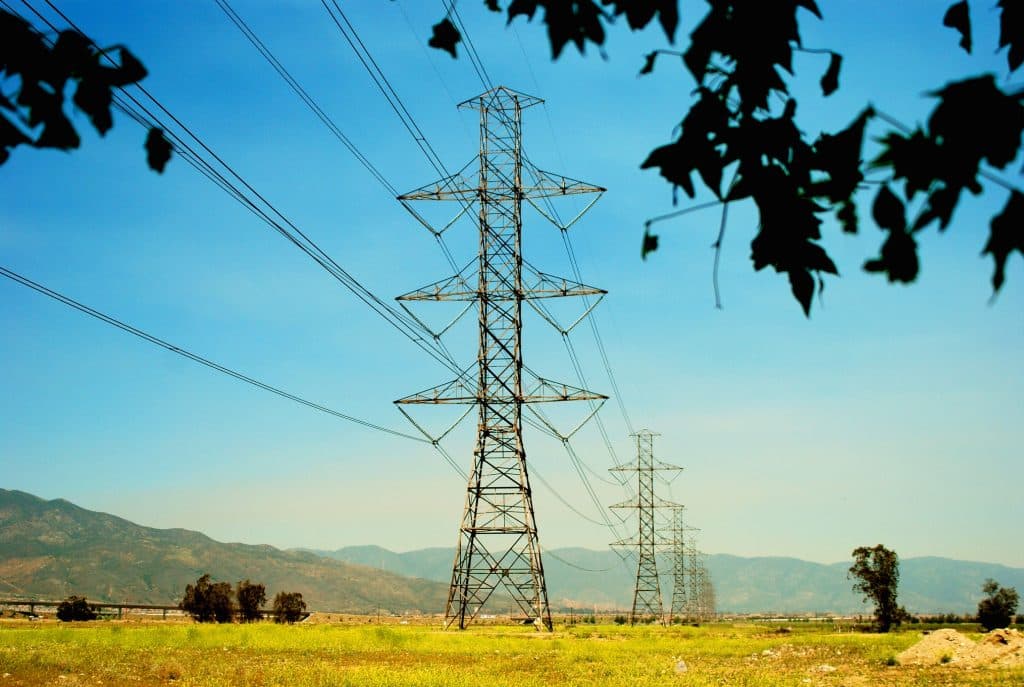
Electricity generation in Czechia fell 5.6 percent year on year in the first half to 36.1 terawatt-hours (TWh). Almost all traditional sources produced less than last year, while generation from solar and wind farms increased. Nuclear and steam power plants nevertheless remained the largest producers of electricity, accounting for a combined 81 percent. Along with generation, consumption also fell this year, by 2.3 percent year on year for electricity and 7.9 percent for gas. The Energy Regulatory Office (ERÚ) said today. Both generation and consumption also declined last year.
According to the regulator, the decline in generation in the first half was driven by all the main sources. Nuclear output from Dukovany and Temelín fell 10.8 percent year on year, while output from steam, or coal-fired, power plants declined by 4.6 percent. Gas-fired power plants also generated 17 percent less electricity than last year, while output from hydro sources fell by 2.8 percent. By contrast, solar power plants were among the sources to perform better than in the first half of last year, increasing generation by 28.4 percent year on year.
„Our statistics clearly show a boom in the smallest solar power plants, with a capacity of up to ten kilowatts, typically rooftop installations on family homes. In the first half of the year, these generated more electricity than any other category of solar plants, at over 584 gigawatt-hours,“ said Stanislav Trávníček, chairman of the ERÚ Council.
Total installed solar capacity also increased, rising 23.6 percent year on year to 3.6 gigawatts in June. The smallest solar installations account for a third of the total.
Electricity generation also rose at wind farms, by 9.1 percent, and at pumped-storage power plants, by 14.7 percent.
According to XTB analyst Jiří Tyleček, the decline in generation is more pronounced than expected. He attributes it to the continuing effects of the energy crisis and a focus on environmentally friendly production. The trend of lower electricity generation will continue in the coming years, he said, as old coal-fired power plants are gradually retired and new capacity does not fully replace them. „Over the next few years, Czechia will become an electricity-importing country and will probably remain one at least until construction of new nuclear capacity is completed,“ he said.
Energy consumption also fell this year alongside generation, the ERÚ said. Net electricity consumption decreased by 2.3 percent year on year, falling in every month except January. Households made the largest electricity savings, with their consumption also down 2.3 percent. Businesses connected to the low-voltage grid used 1.3 percent less electricity, while large consumers connected to the high-voltage grid used one percent less. By contrast, large consumers connected to the very-high-voltage grid increased their consumption, using 1.8 percent more electricity.
Gas consumption fell even more sharply in the first half. Czech consumers used a total of 3.5 billion cubic meters, a year-on-year decrease of 7.9 percent, the ERÚ said. Warmer weather played a significant role, according to the regulator; adjusted for the long-term temperature norm, the decline was 0.7 percent. The steepest drop in gas consumption in the first half was among households, at 12.6 percent. This was followed by medium-sized business consumers (down 11.1 percent), small consumers (down 10.8 percent) and large consumers (down 4.9 percent).
According to ERÚ data, 3.1 billion cubic meters of gas flowed into the domestic gas network in the first half, while 38.7 million cubic meters flowed out. Both figures were down year on year: imports fell by 27 percent and exports by 94 percent. According to the ERÚ, these figures demonstrate how European gas flows have changed since the start of Russian aggression. Gas storage facilities were 77.4 percent full at the end of June, with operational stocks standing at 2.7 billion cubic meters.
„Warm weather was of course an important factor in the year-on-year decline in consumption of both electricity and gas. At the same time, however, it is becoming clear that we have learned to use energy more efficiently. We have been reducing our consumption almost continuously since the start of 2022, even after electricity and gas prices began to fall,“ Trávníček added.
Translation disclaimer
This article is a machine translation of the Czech original and has not yet been fully reviewed. In case of any doubt, please refer to the Czech version.
Sdílejte článek prostřednictvím:
You might also like


23 October 2026, 11:01


23 October 2026, 06:34