6 November 2026, 14:13
Loading...
Czech energy regulator to unveil final regulated energy prices for next year on Thursday

oEnergetice.cz, ČTK
29 November 2023, 18:48
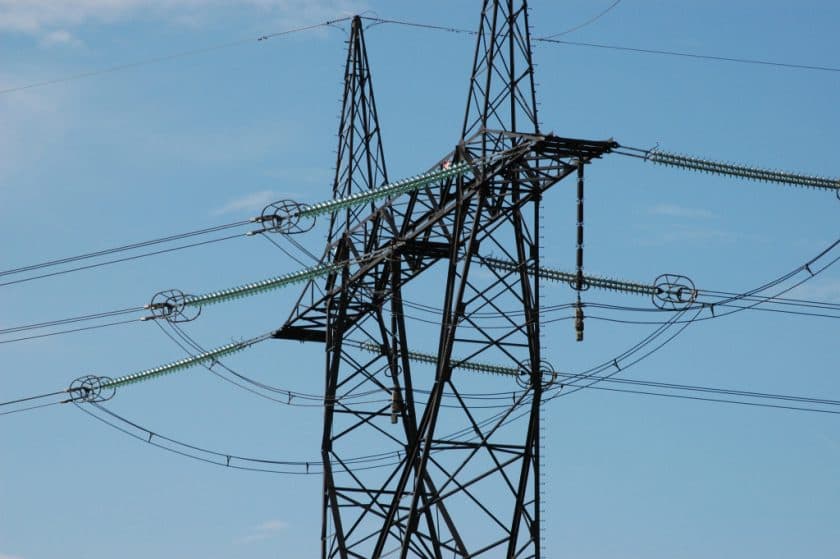
The Energy Regulatory Office (ERÚ) will unveil the final form of the regulated component of energy prices for next year on Thursday. In its proposal, published a month ago, the office projected a 71 percent increase in the regulated component of electricity prices for households, which would mean an average increase of about 1408 Kč per megawatt-hour (MWh), including VAT. For gas, the proposed increase was 39 percent, which would raise the price by roughly 125 Kč per MWh. The final figures could be slightly different, however: according to Minister of Industry and Trade Jozef Síkela (STAN), ERÚ has found savings of three billion crowns in recent weeks, which could reduce the proposed increases in regulated prices by a few percentage points. Analysts nevertheless expect people to pay more for electricity next year.
Energy prices consist of a market component, set by suppliers, and a regulated component, managed by the state. The regulated component accounts for about 40 percent of the final electricity price for households, and around 20 percent of the gas price. For large customers, the regulated component accounts for a smaller share of the final electricity price.
According to ERÚ, the main reason for such a sharp increase is that some charges are being shifted back to customers after the state subsidised them this year amid the energy crisis. These include, in particular, fees for renewable energy sources (POZE), as well as costs associated with technical losses in the transmission and distribution networks and the cost of ancillary services. The reduction in the regulated component for this year also plays a role.
Prime Minister Petr Fiala (ODS) said that despite the planned sharp increase in the regulated component, final electricity prices for most customers would not change much compared with this year. He acknowledged that they could rise by up to a few percentage points. He attributed this to suppliers lowering their prices, which he said would offset the increase in regulated prices. Analysts, however, expect most customers in Czechia to pay more for electricity next year than this year. The scale of the increase will depend on how market electricity prices develop.
The regulated component of energy prices is expected to rise even more sharply for large customers. At the end of October, ERÚ proposed a 113 percent increase in the regulated component of electricity prices at the high-voltage level and a 206 percent increase at the very-high-voltage level. For gas, the office proposed a 42.5 percent increase for large customers, equivalent to about 63 Kč per MWh.
The proposal drew strong criticism from representatives of industry and business. According to the Czech Chamber of Commerce, it would mean that domestic industrial companies’ energy costs could triple, potentially undermining their competitiveness abroad. Companies said another negative consequence would be a renewed rise in inflation.
Last week, Minister Síkela said that ERÚ had found savings of three billion crowns in its proposal, which could lead to changes. However, according to Radim Dohan, an analyst at Capitalinked.com, these savings amount to roughly three percent of total payments. „It will be more of a political decision about which customer segment gets relief,“ he added.
Translation disclaimer
This article is a machine translation of the Czech original and has not yet been fully reviewed. In case of any doubt, please refer to the Czech version.
Sdílejte článek prostřednictvím:
You might also like

6 November 2026, 10:25